Classical ballet technique meets dance improvisation. Ioannis Mandafounis creates a new piece for a small cast that delves into dance history – performed by dancers from the DFDC and Jón Vallejo, Principal dancer at the Semperoper Ballett.
Rosalind Crisp is considered one of Australia's most important and rigorous dance artists. For the second part of this double bill, she creates a new work with the DFDC ensemble and pianist Frédéric Blondy
Bockenheimer DepotFrankfurt
- Thu19.03.202620:00
- Fri20.03.202620:00
- Sat21.03.202620:00
- Sun22.03.202616:00
- Thu26.03.202620:00
- Fri27.03.202620:00
- Sat28.03.202620:00
- Sun29.03.202616:00
Duration: approx. 120 min. incl. break
Accompanying Program
Premiere party
19.03.2026
Following the performance, we cordially invite you to the premiere party.
Post-show talk
28.03.2026
Find out more about the background to the production and the artists involved.
Byways Trailer
Eins vor, zwei zurück
Seen Unseen
Press reviews
“unusual, extraordinary, new” – Jan Tussing, hr2 Frühkritik
“A declaration of love” – Melanie Suchy, FAZ Rhein-Main
So no more focusing on the center of the body, away with the vertical impulse upward. Mandafounis spells out the method before applying it parodically to music ranging from Tchaikovsky to Grieg, using the example of classical choreographies from Marius Petipa to Michel Fokine.” – Stefan Benz, VRM Medien about "Eins vor, zwei zurück"
“a multi-faceted double bill” – Katja Sturm, FNP
Eins vor, zwei zurück
- Choreography
- Ioannis Mandafounis
- Dance
- Emanuele Co'
- Emanuele Piras
- Simon Voitoux Puigrenier
- Jón Vallejo, Principal dancer at the Semperoper Ballett as guest
- Choreographic assistance
- Pauline Huguet
- Smaralia Karakosta
- Dramaturgy
- Philipp Scholtysik
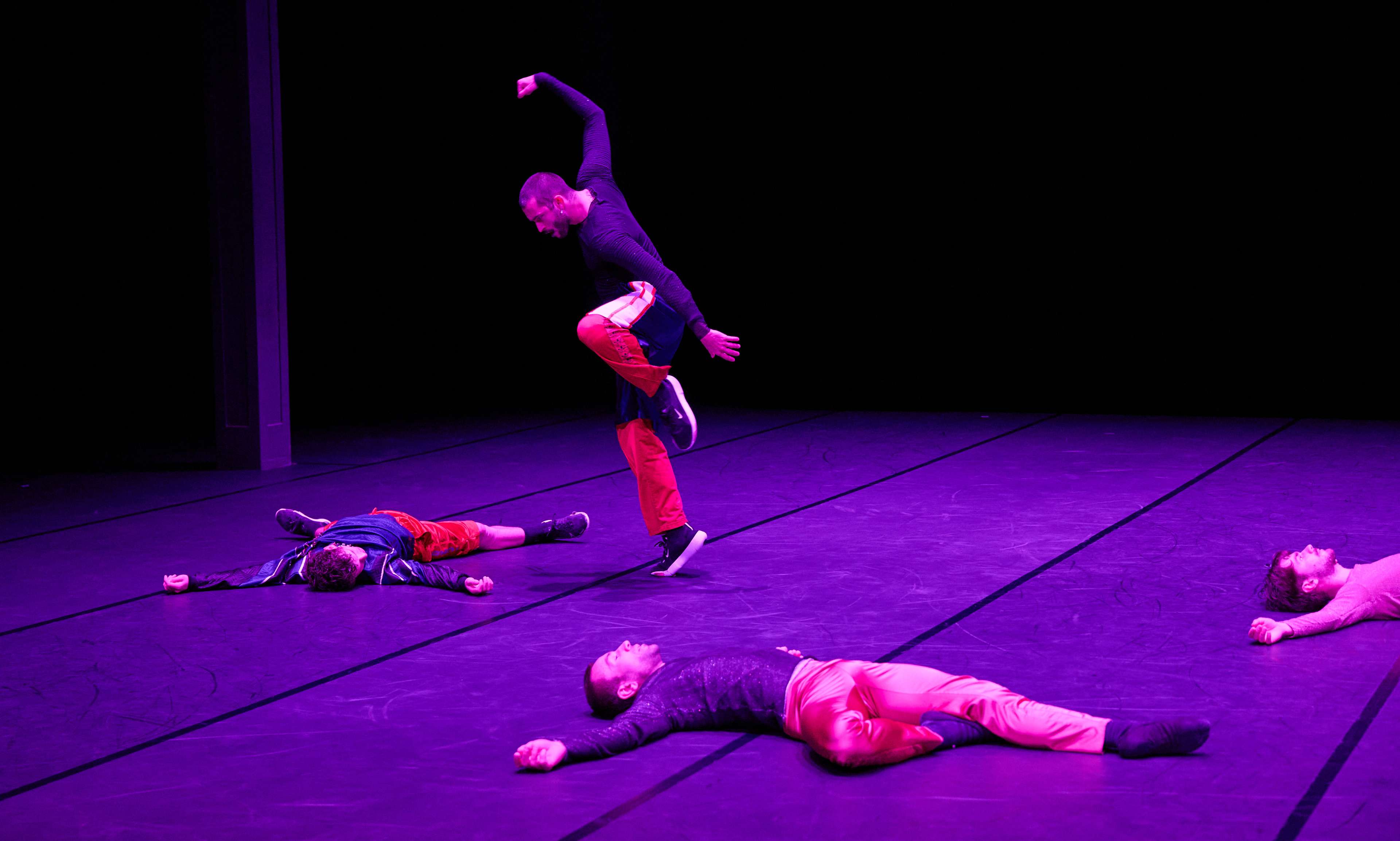
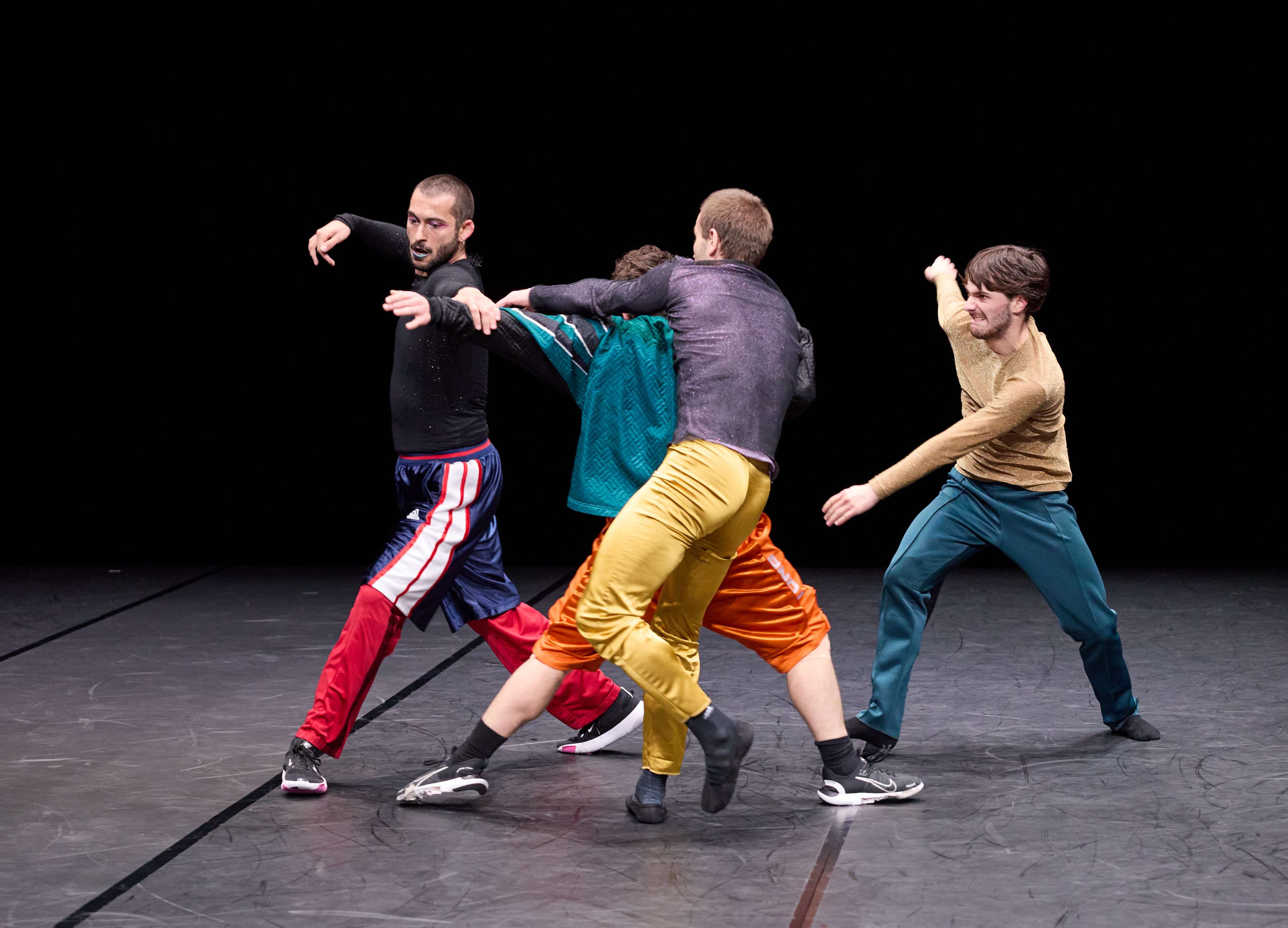
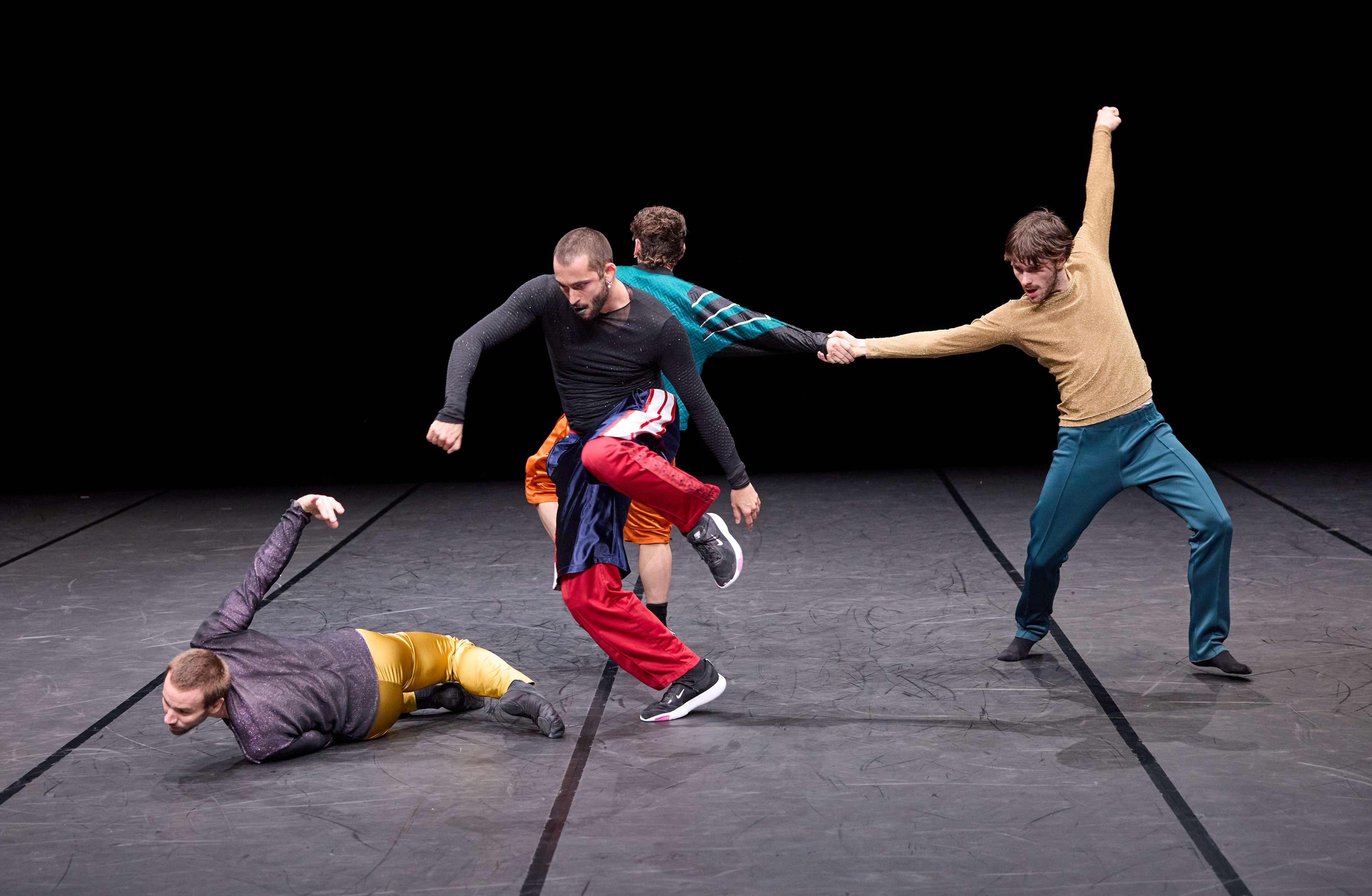
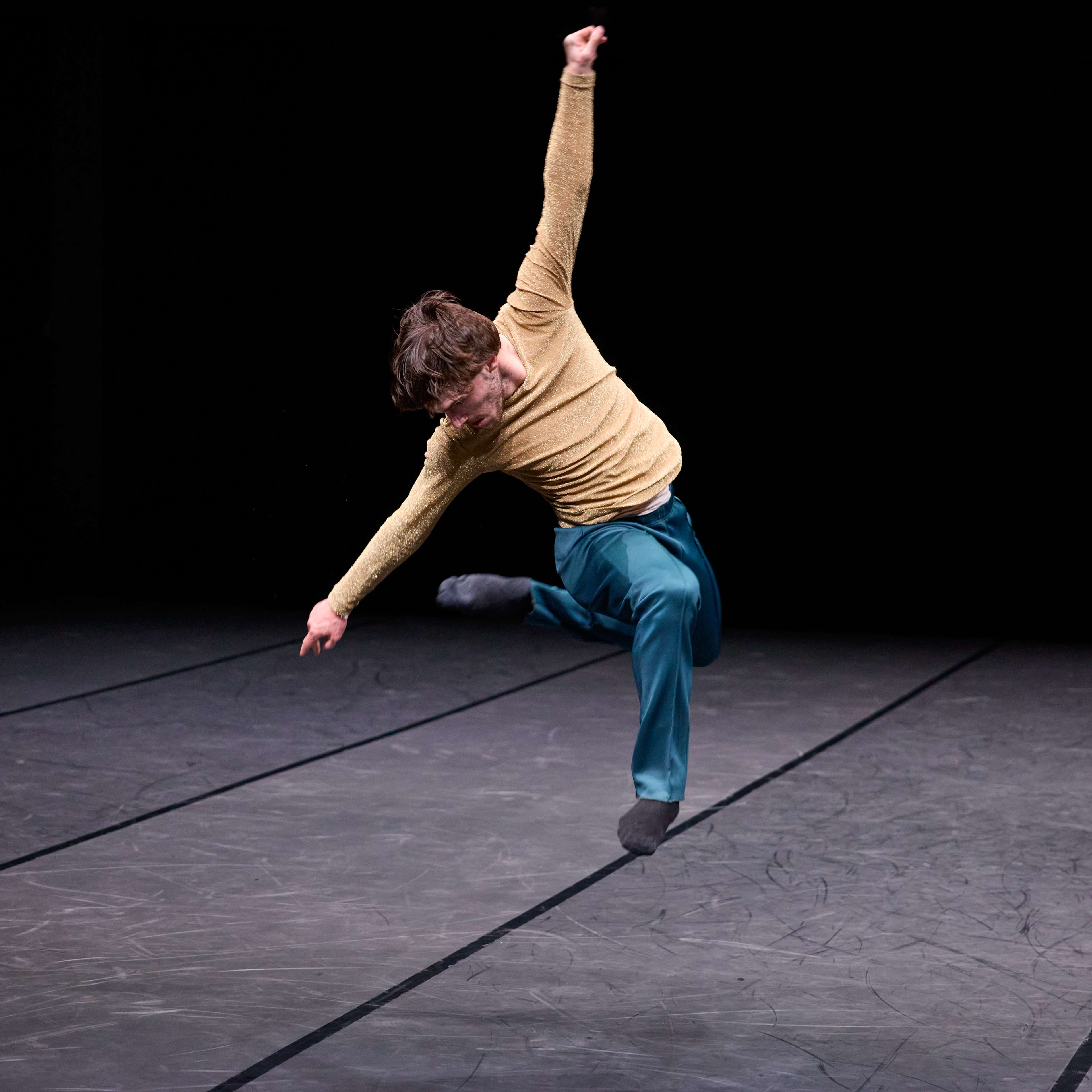
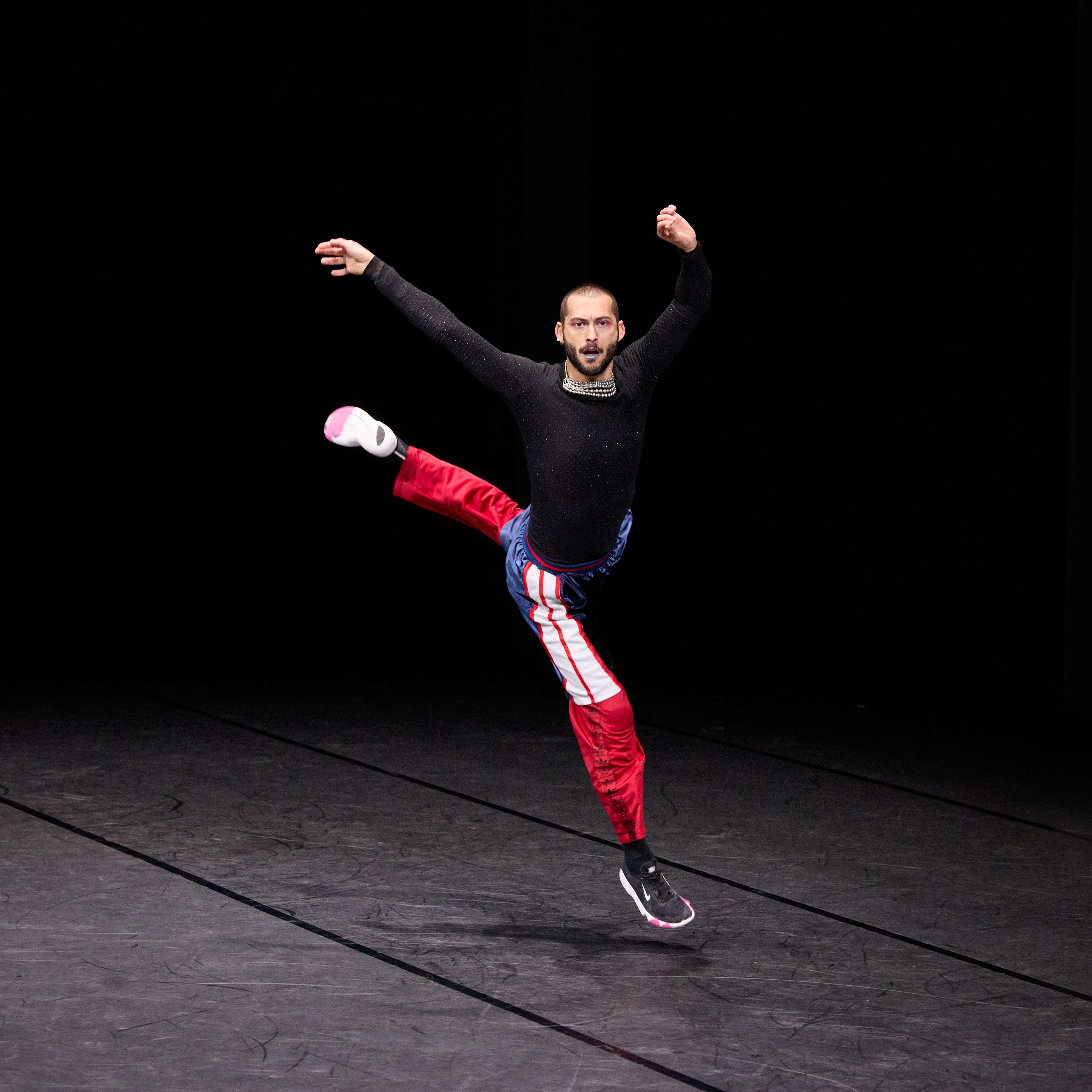
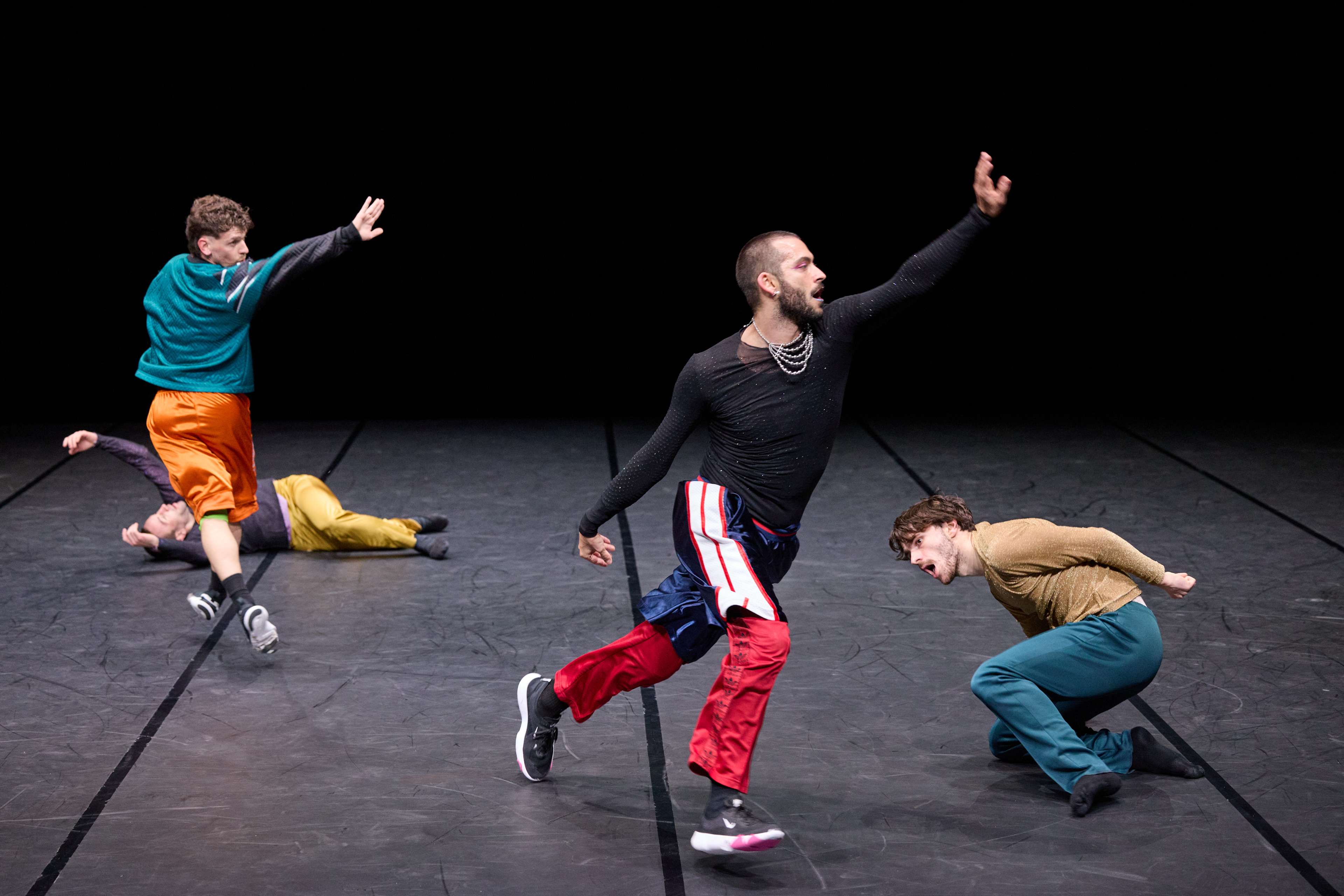
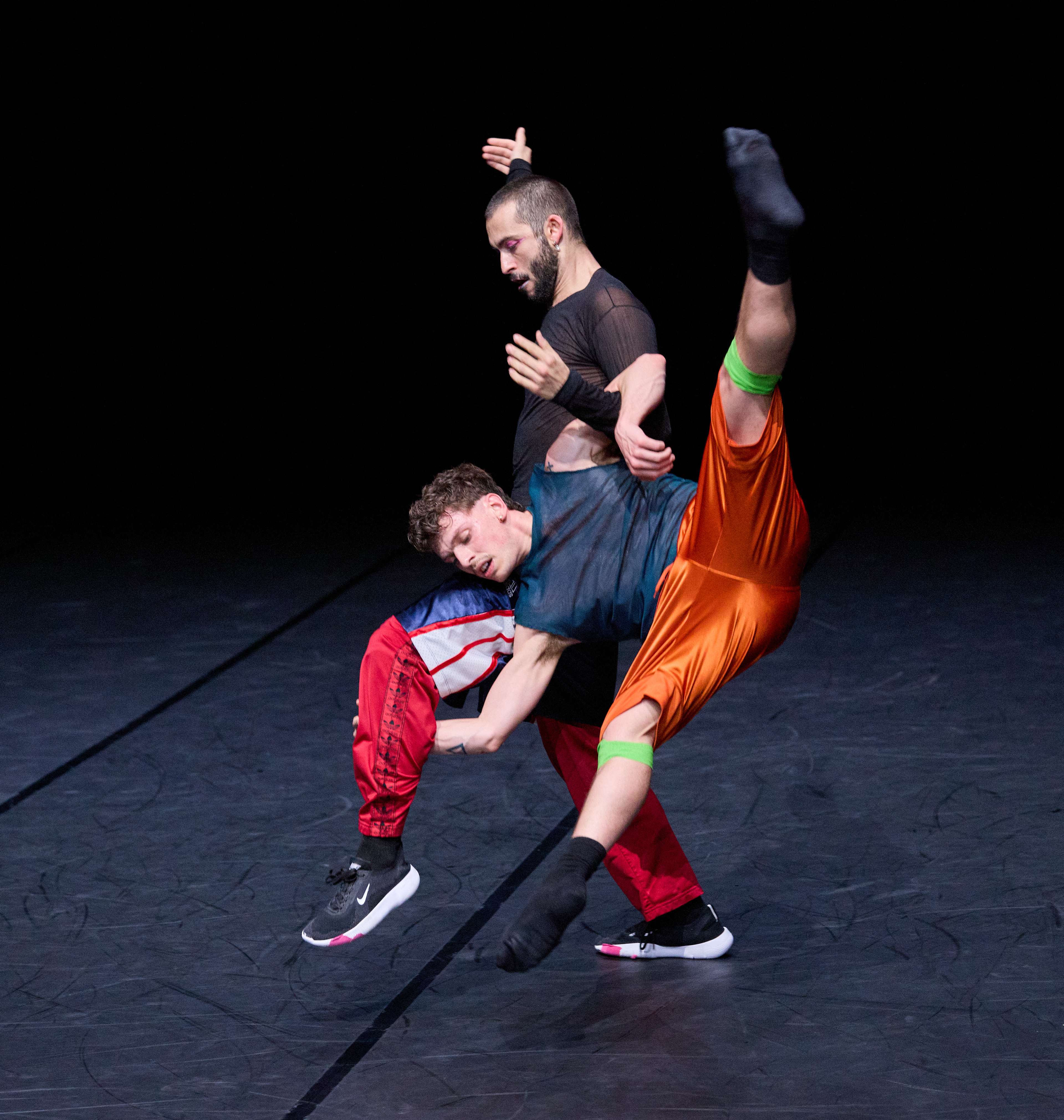
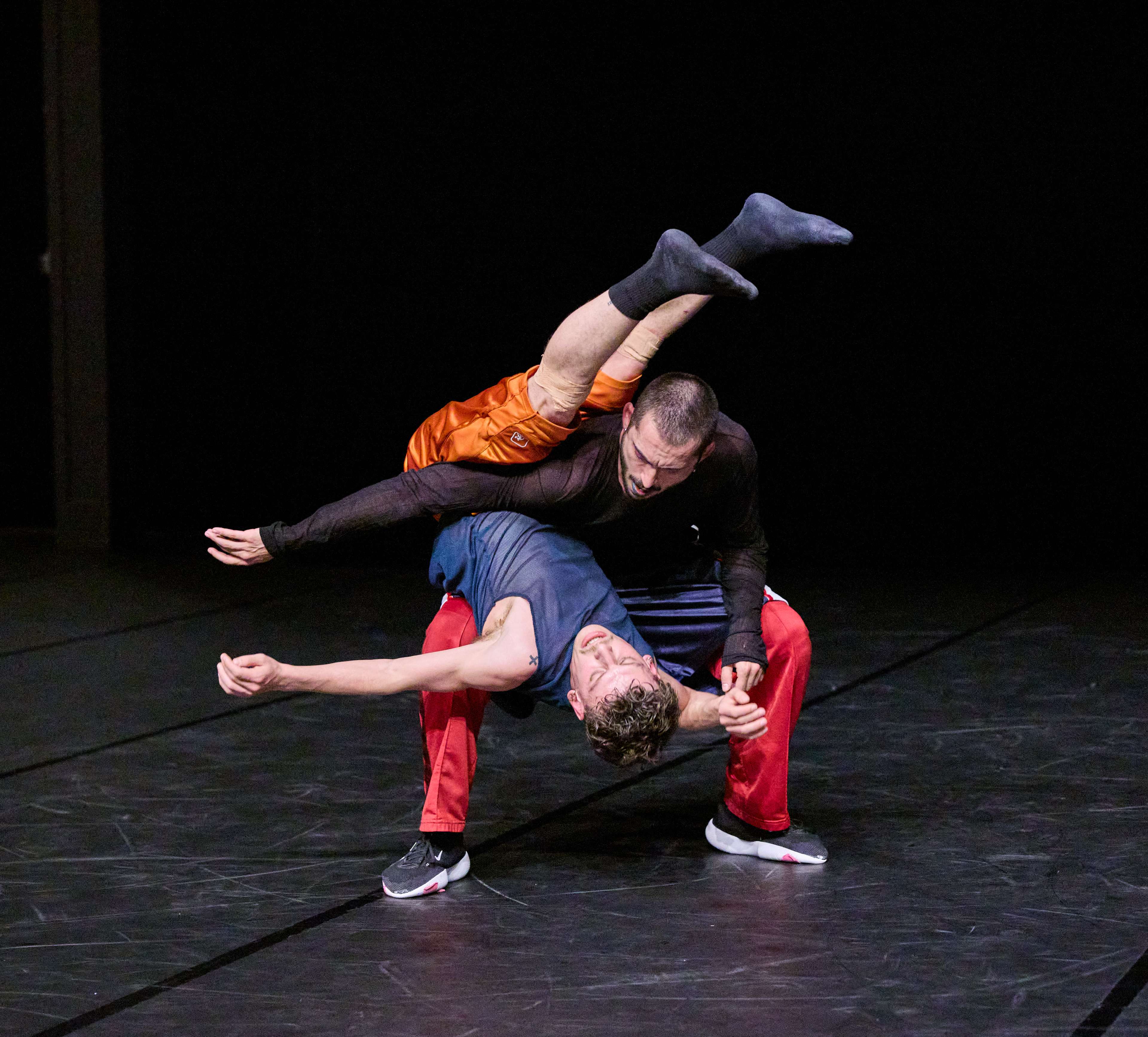
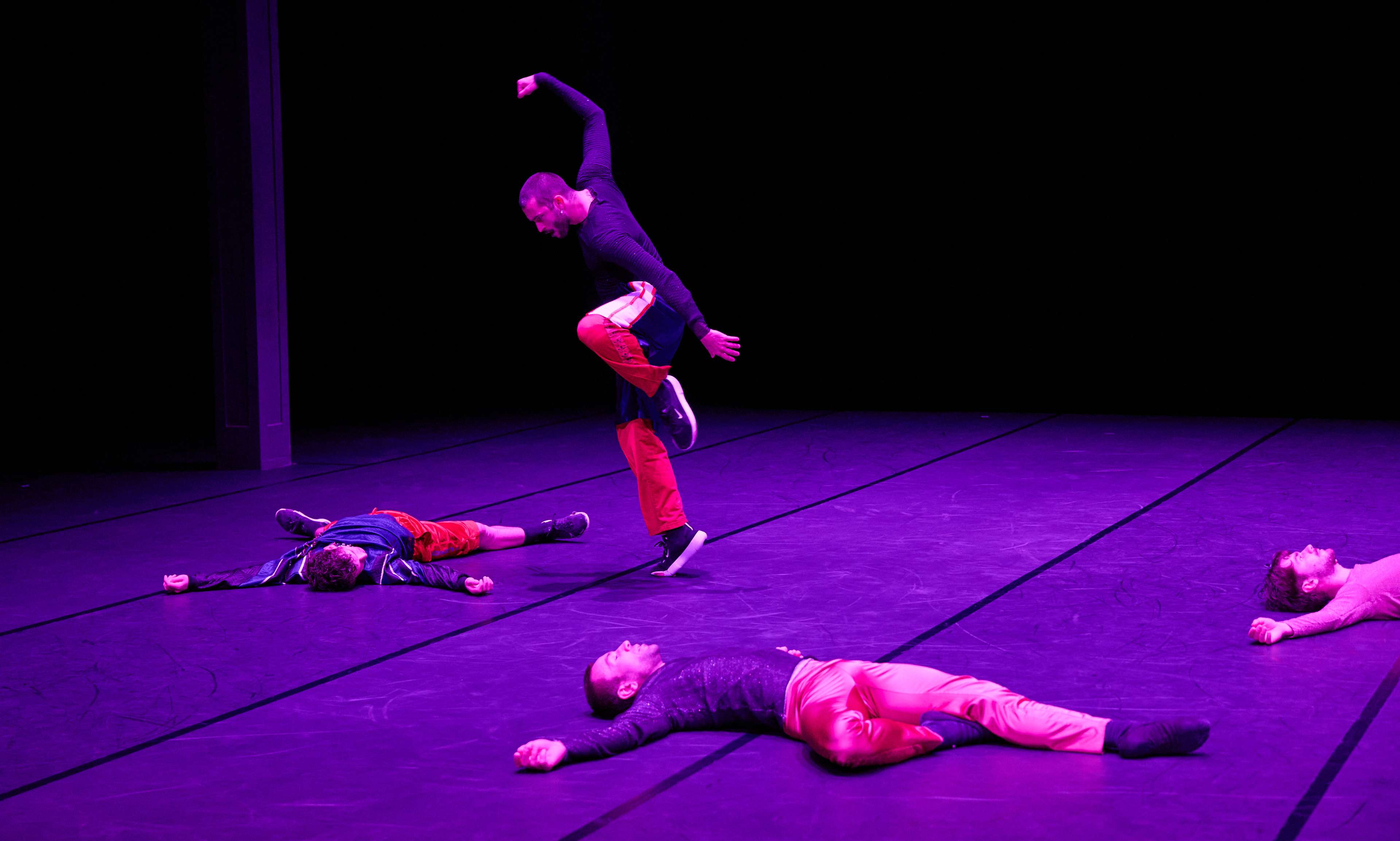
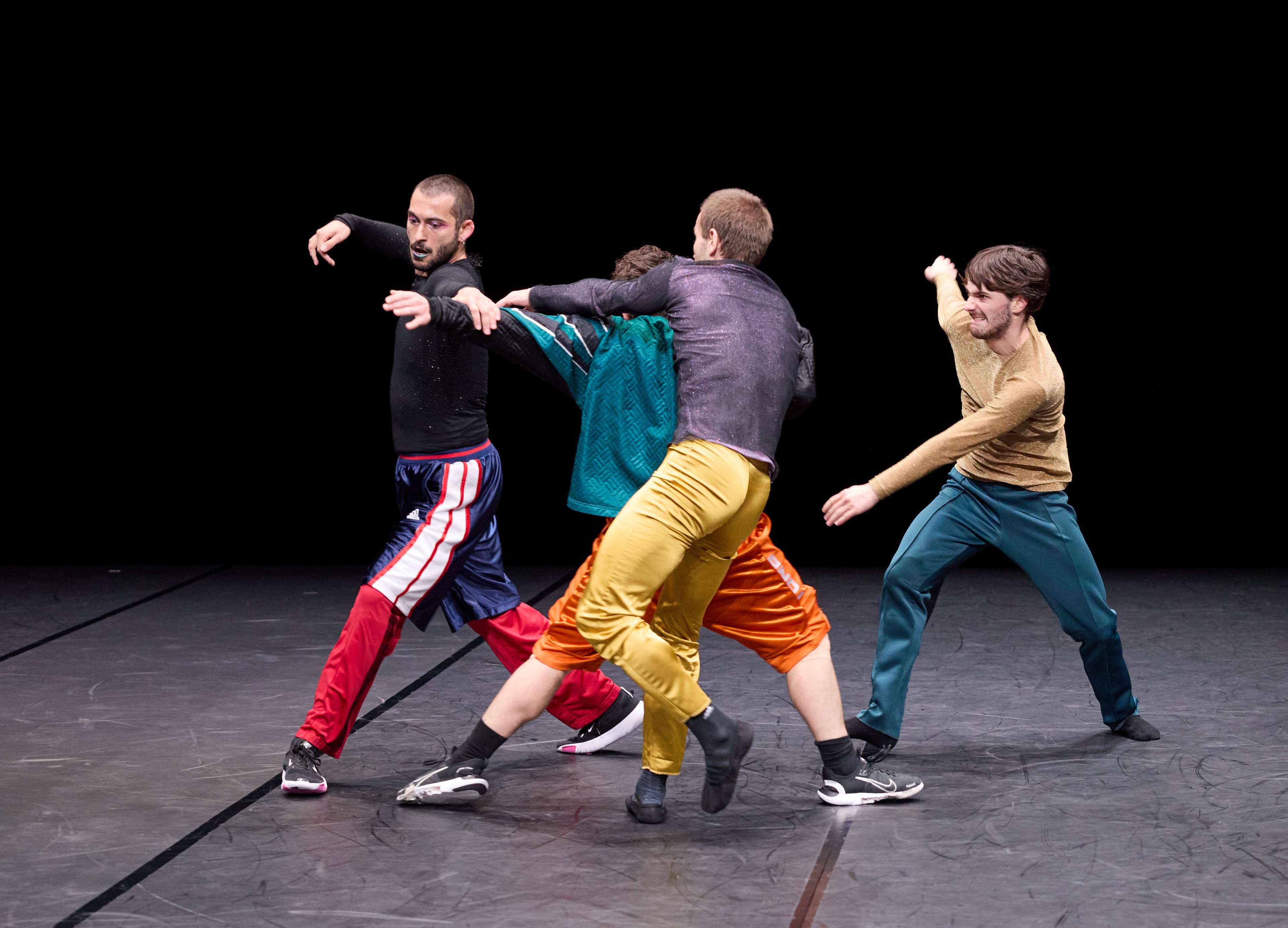
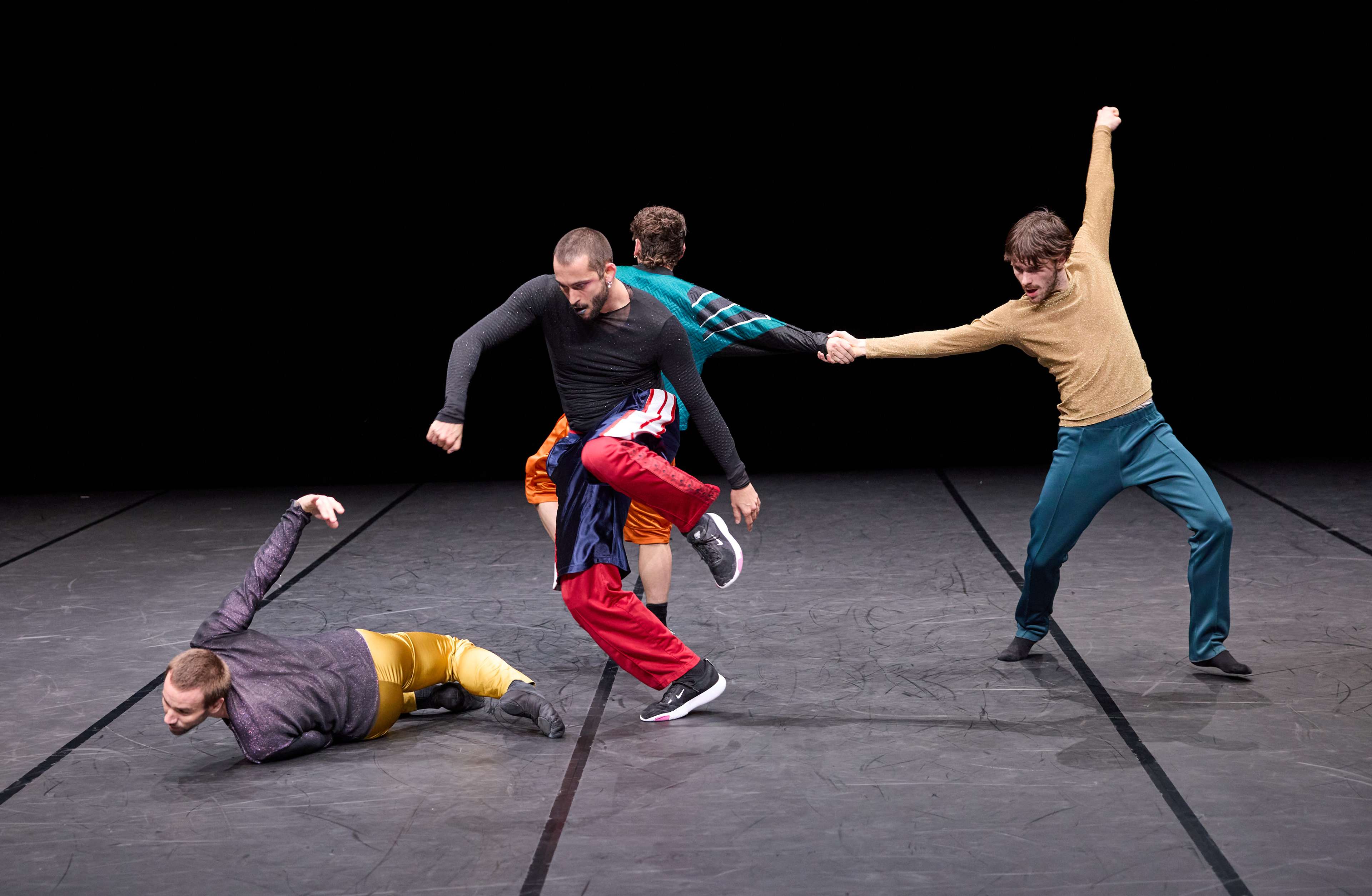
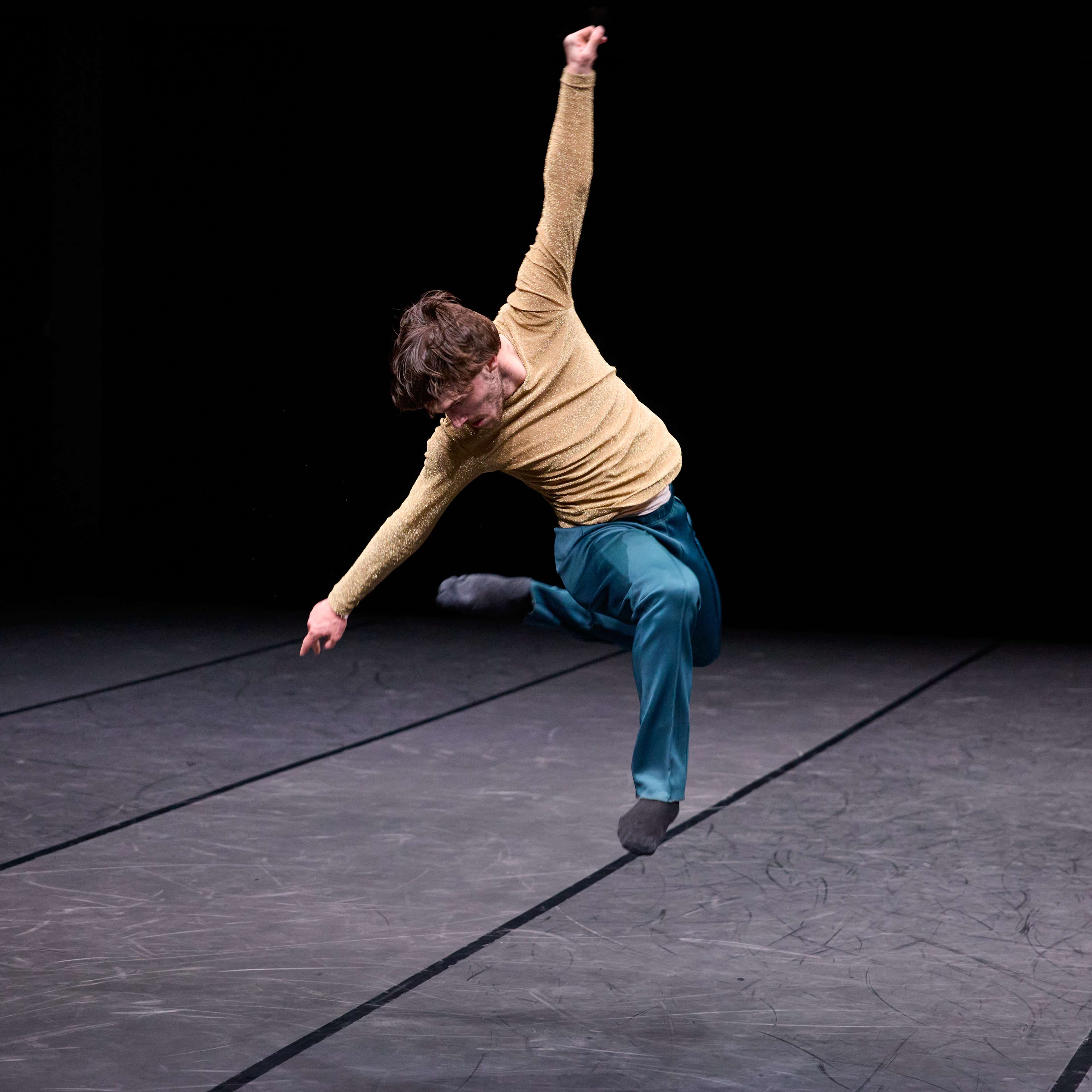
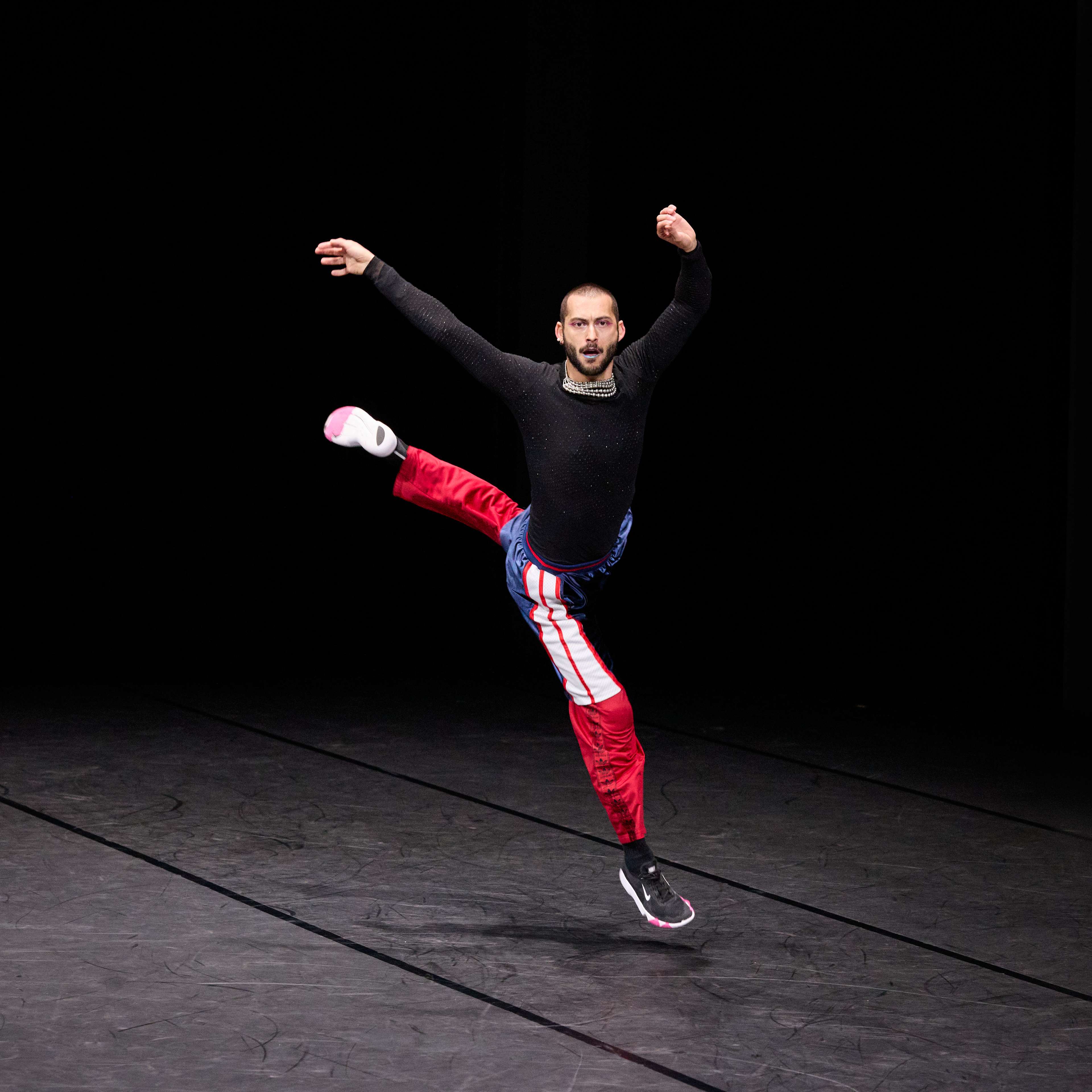
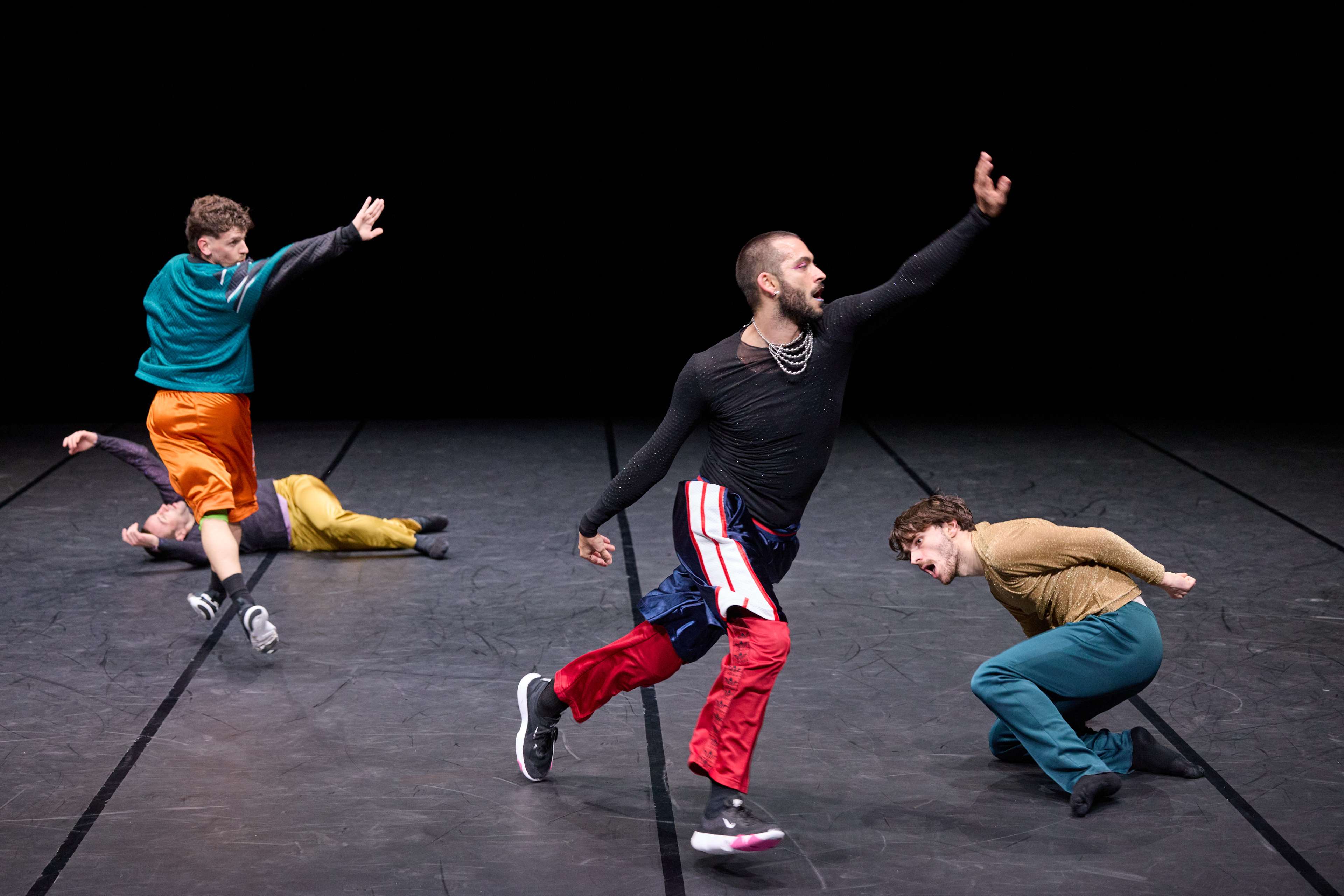
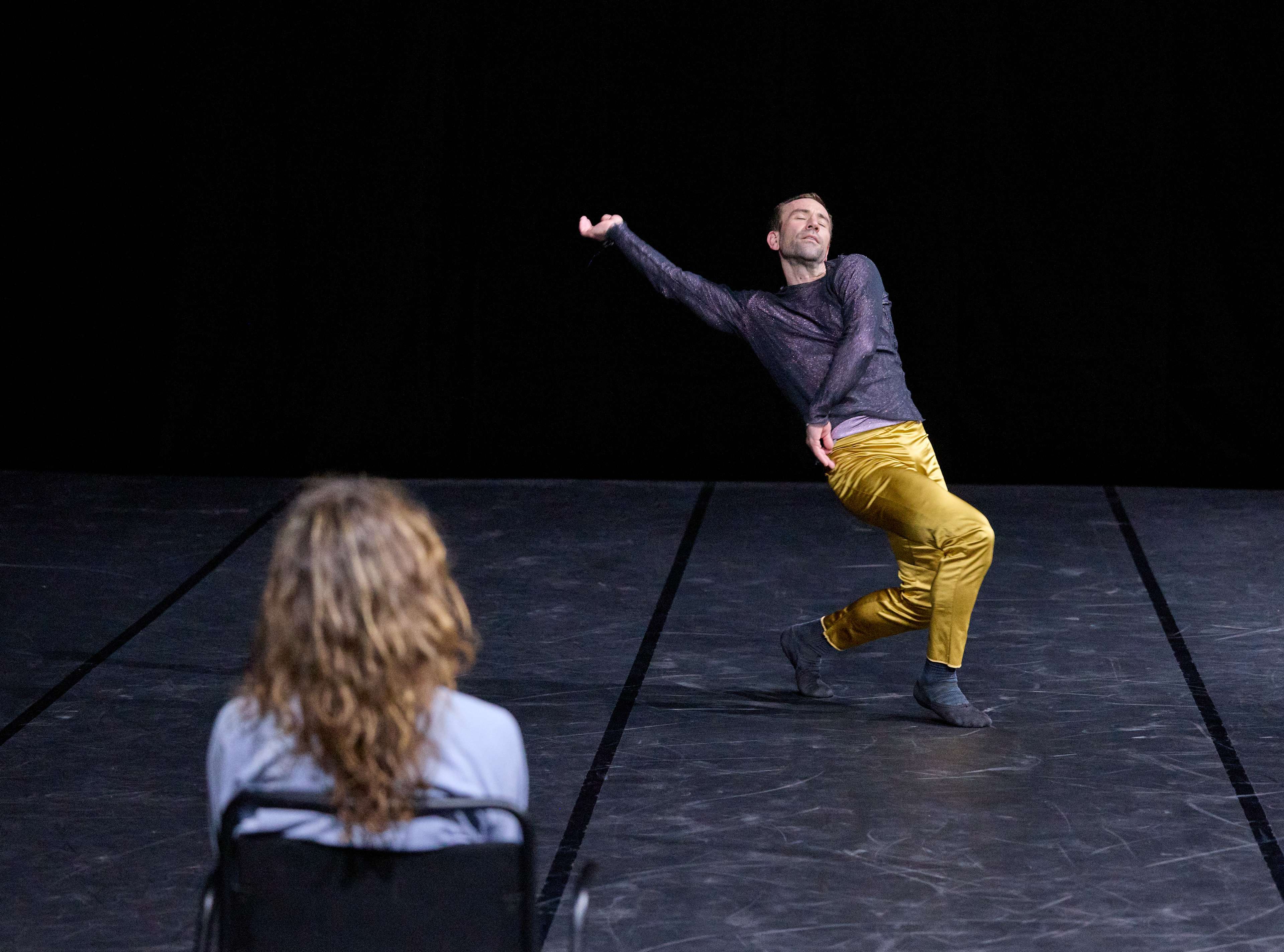
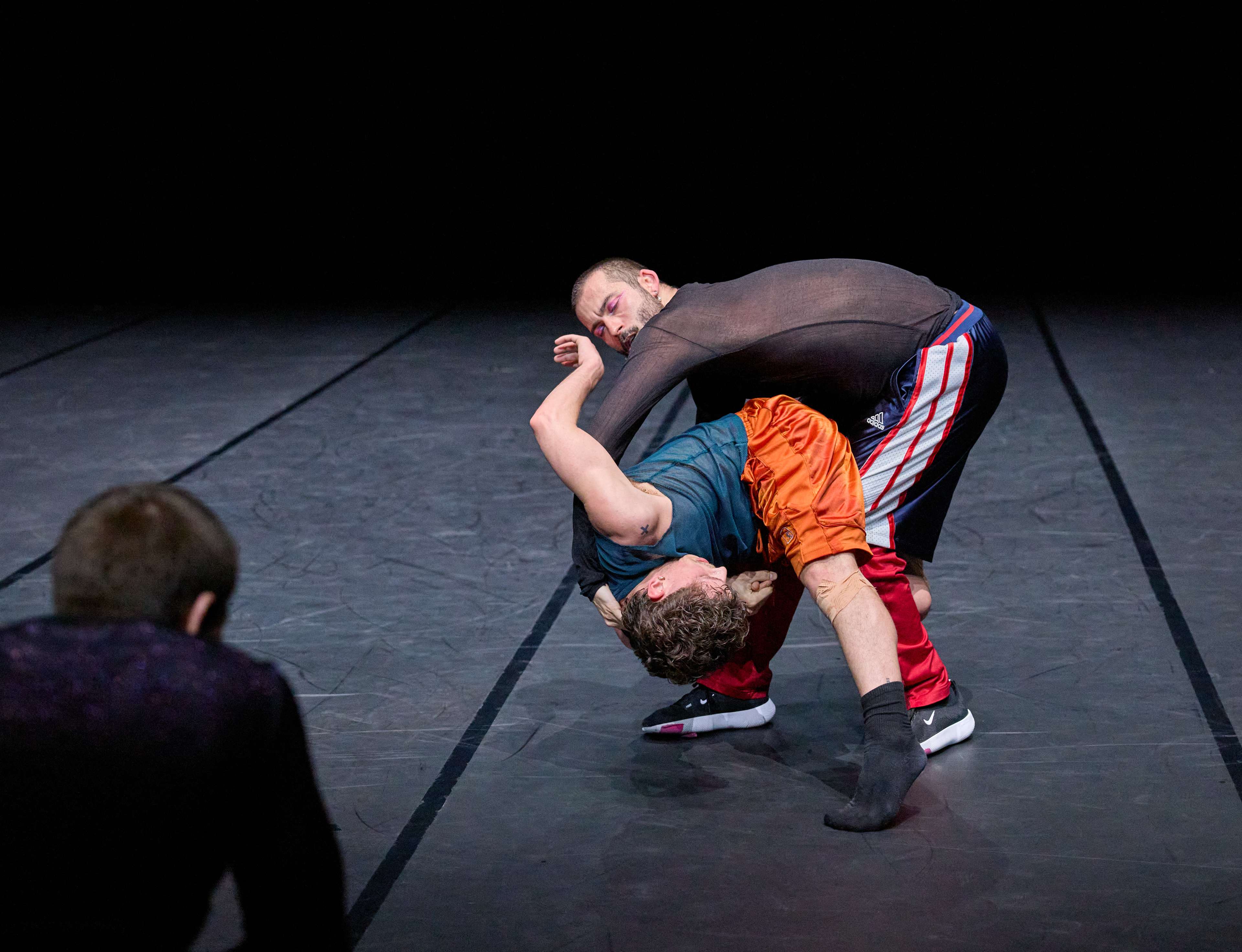
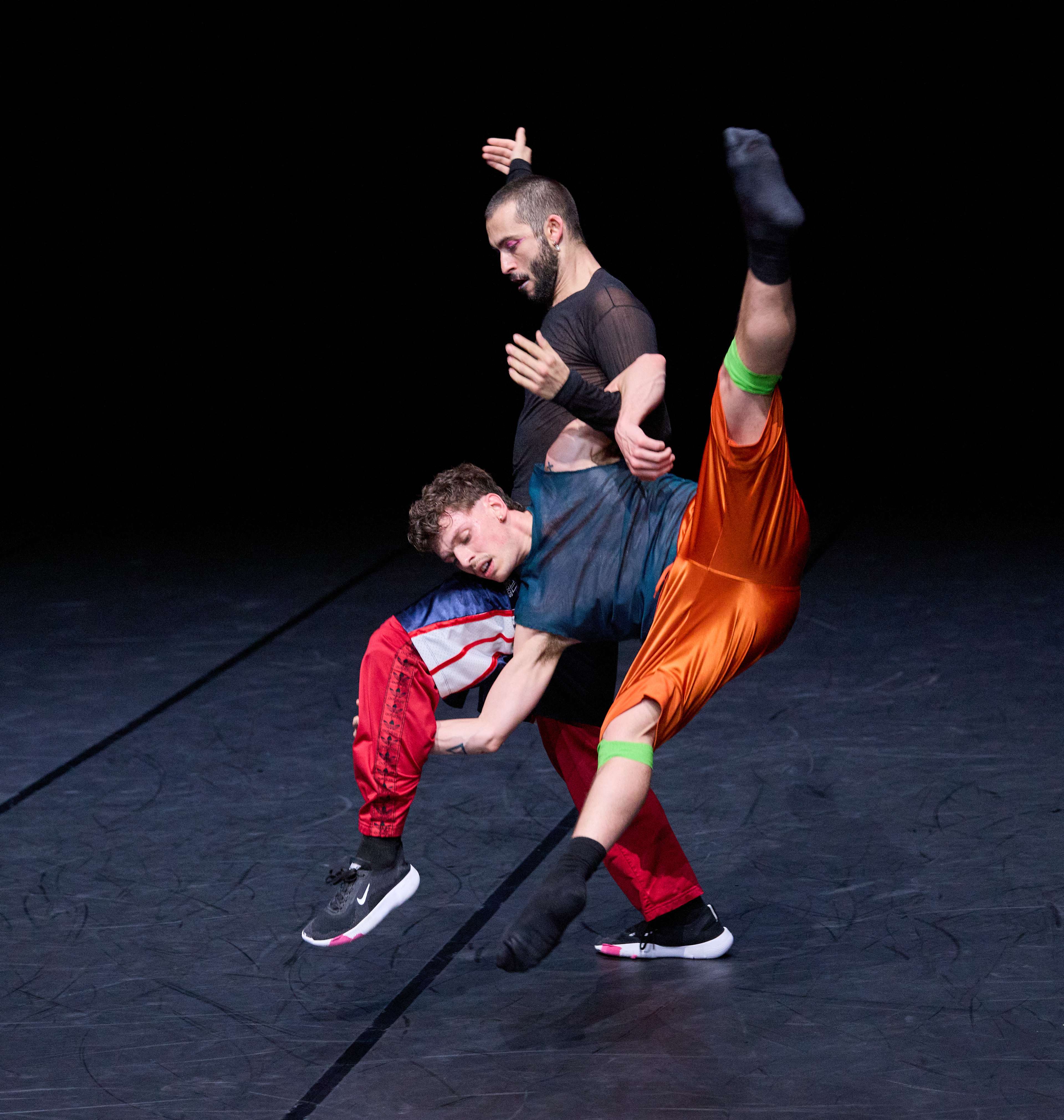
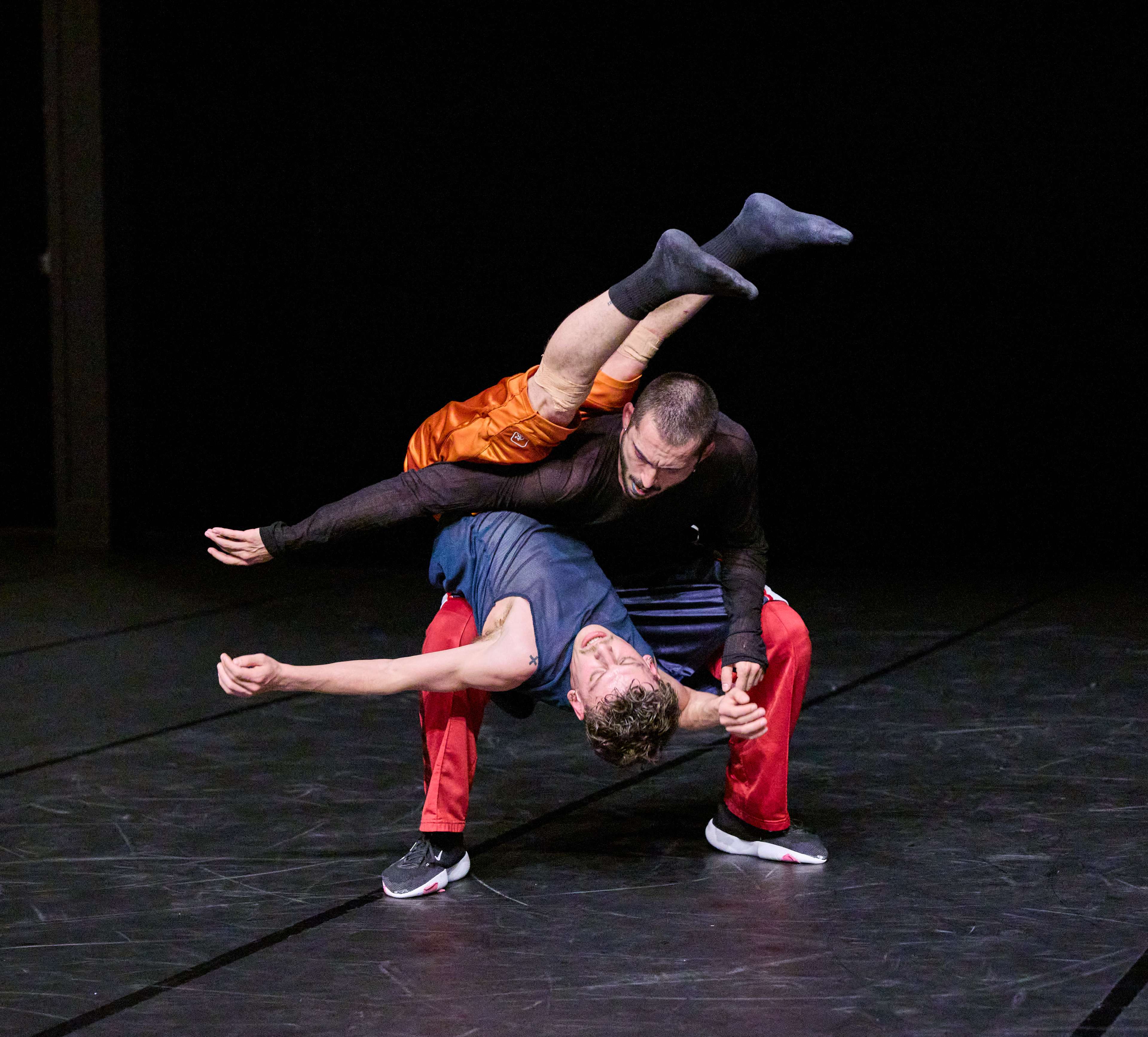
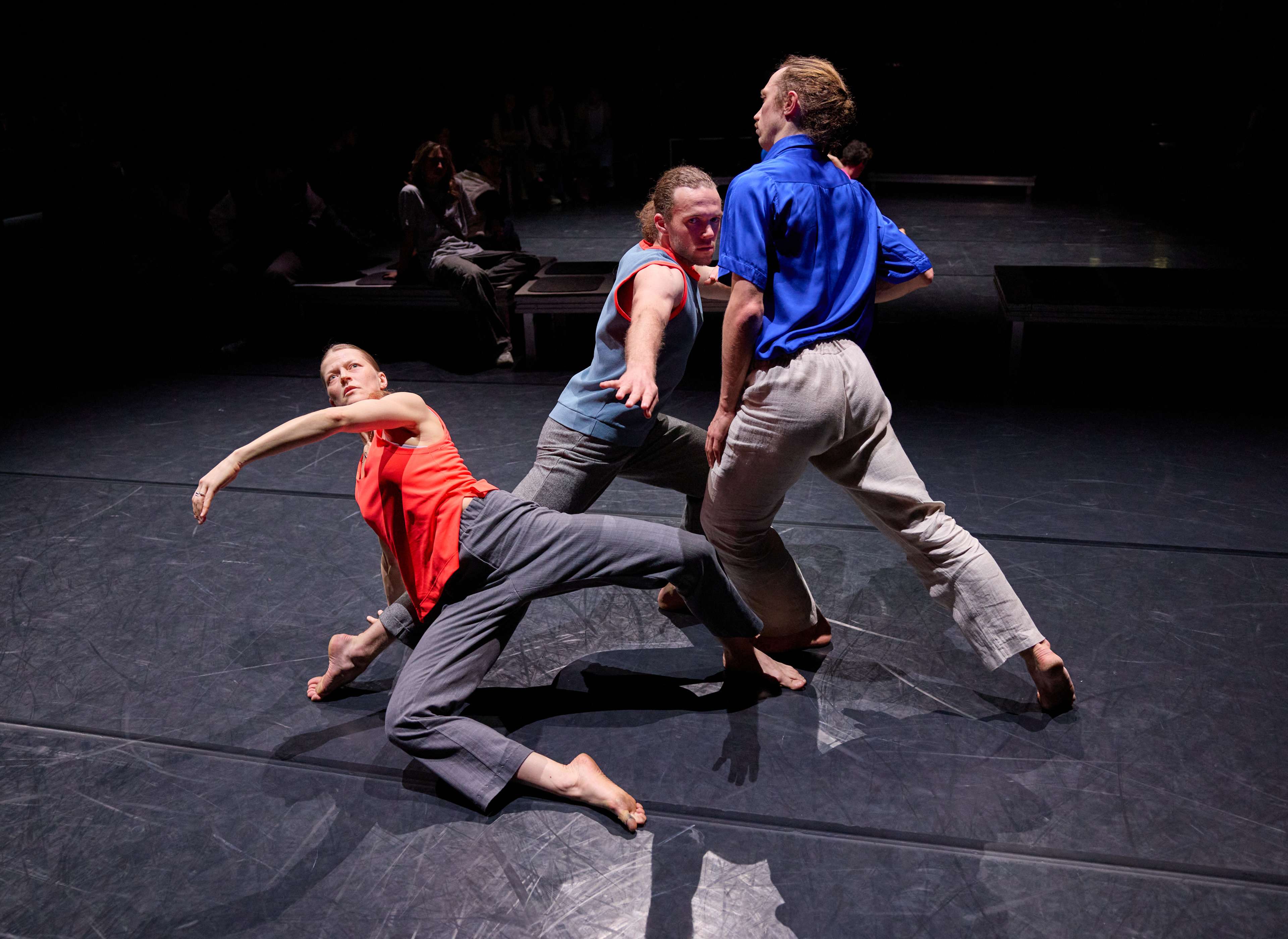
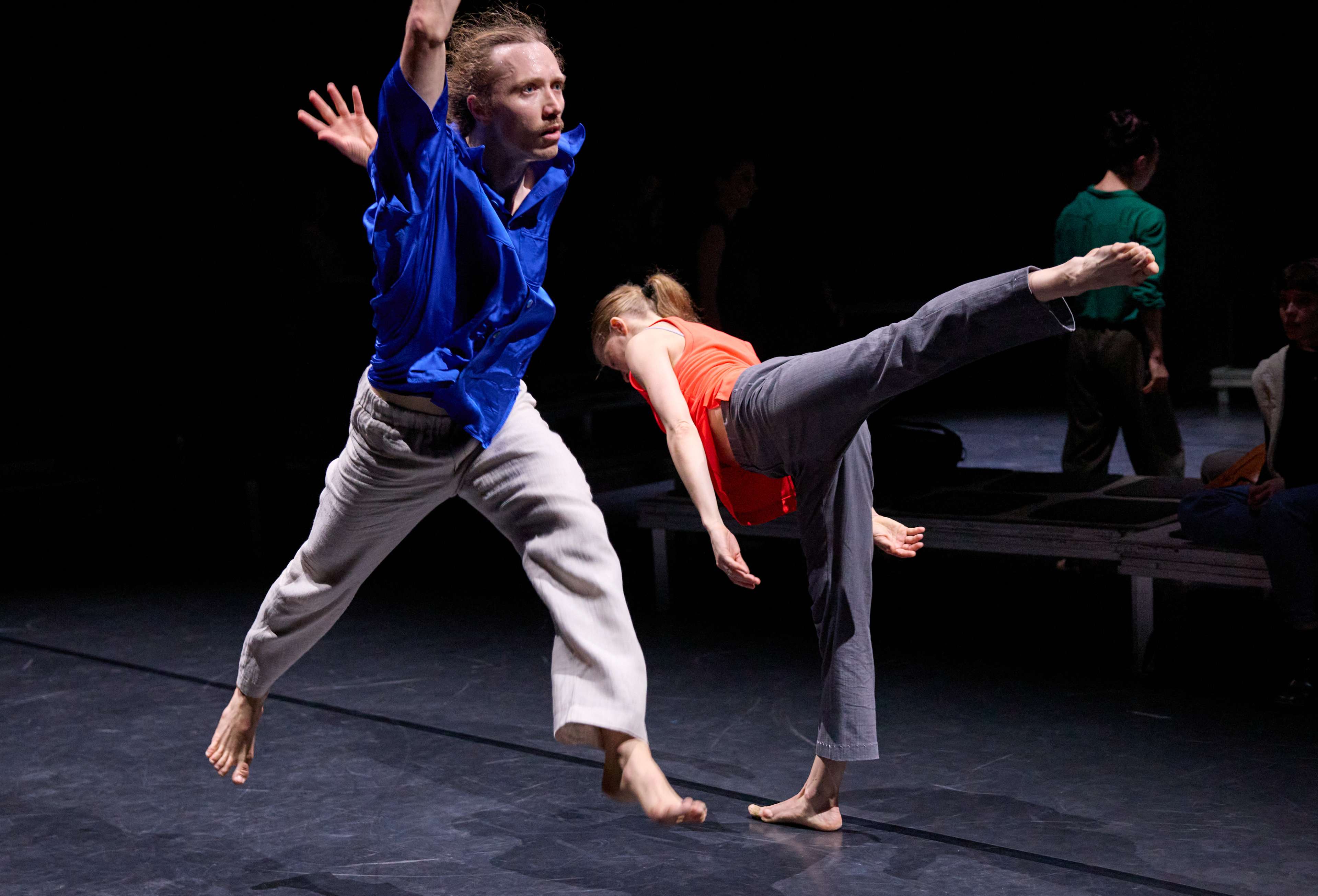
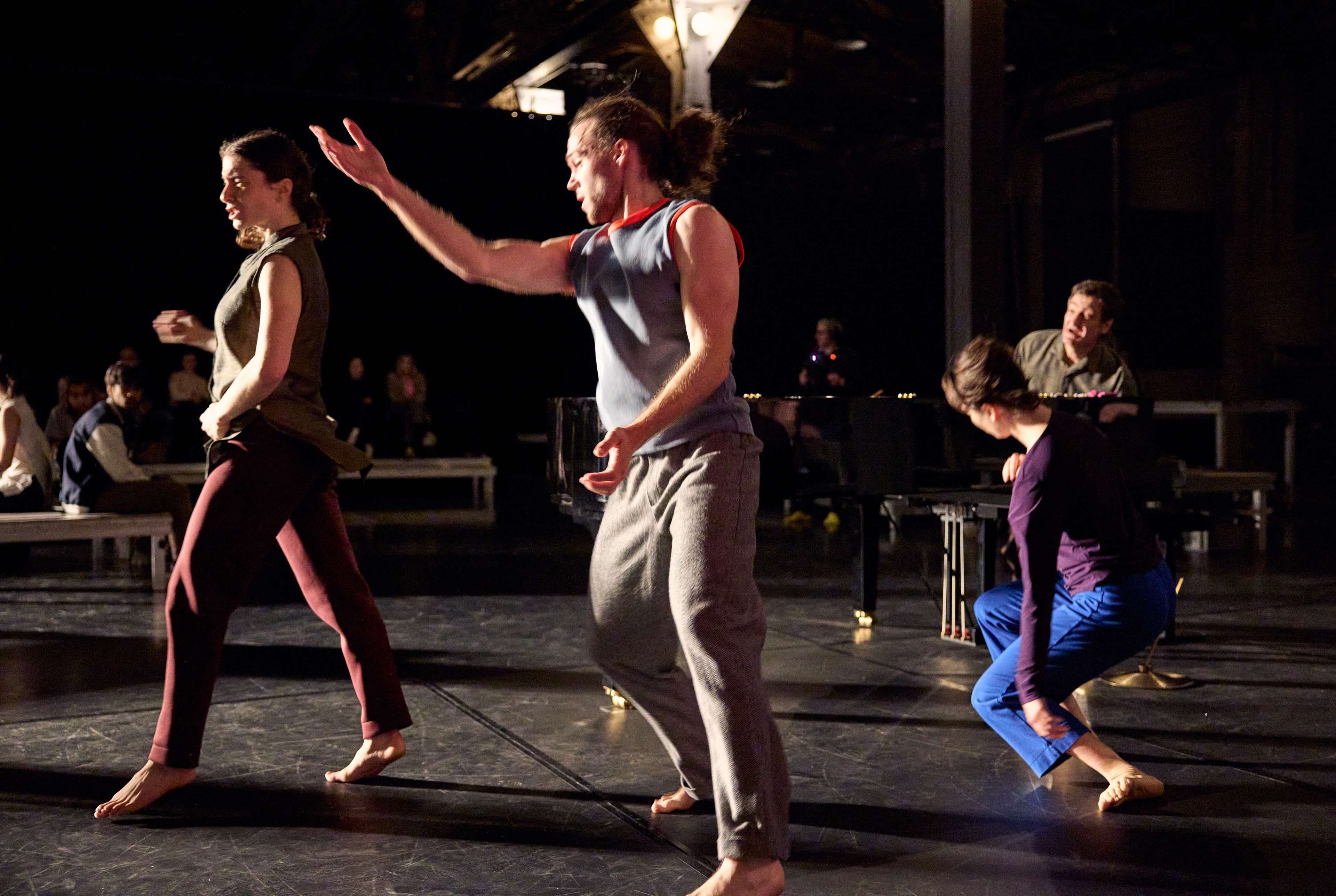
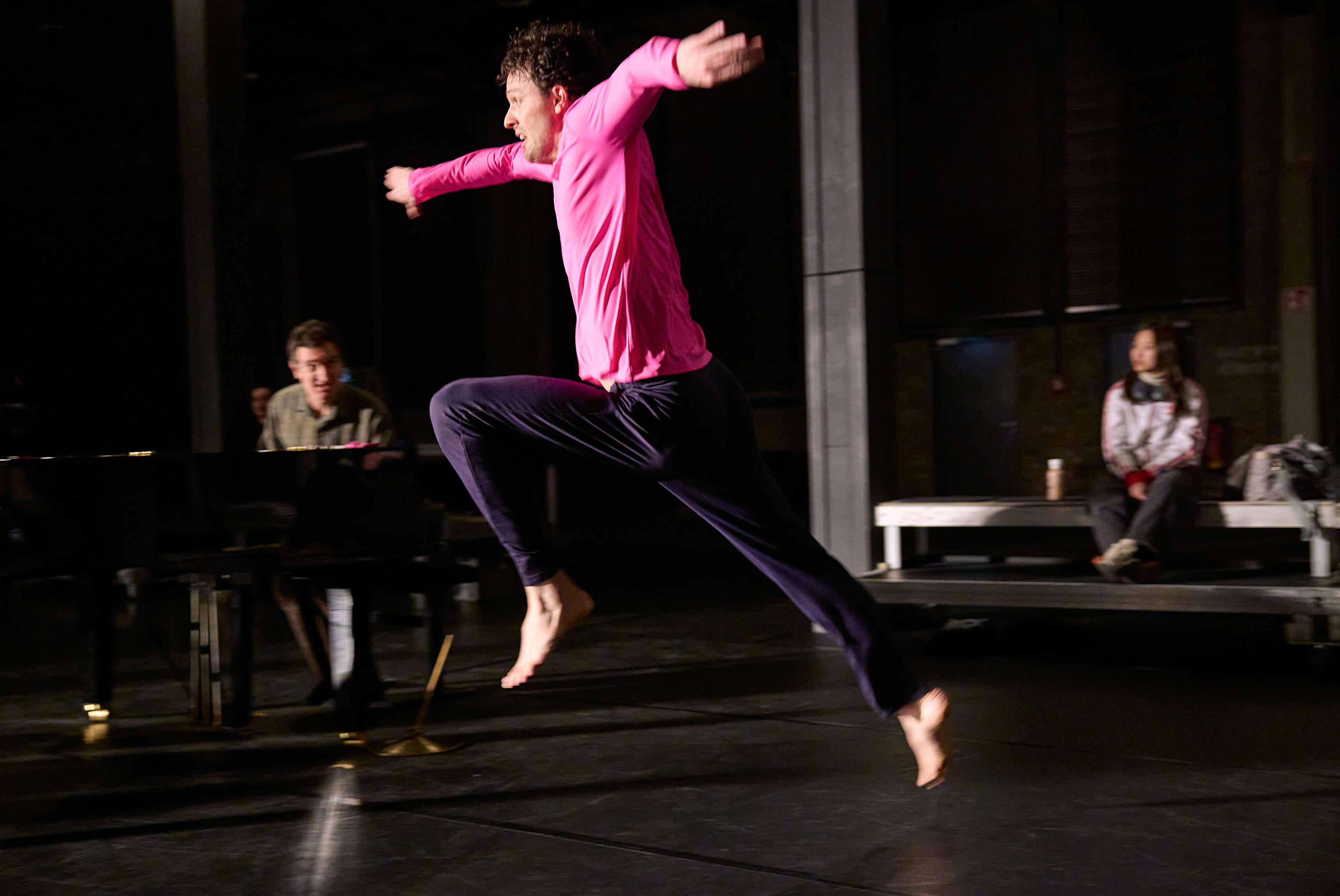
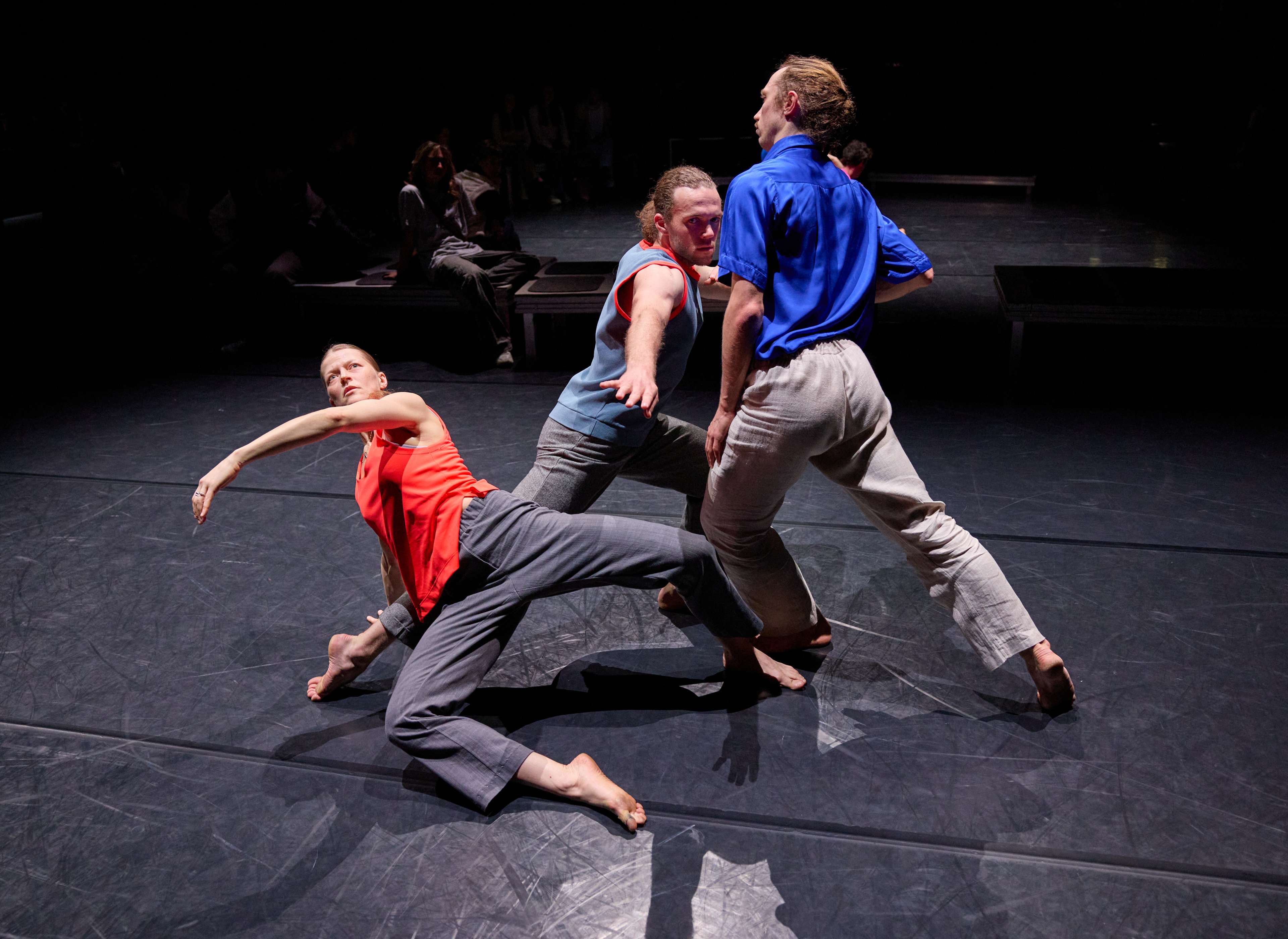
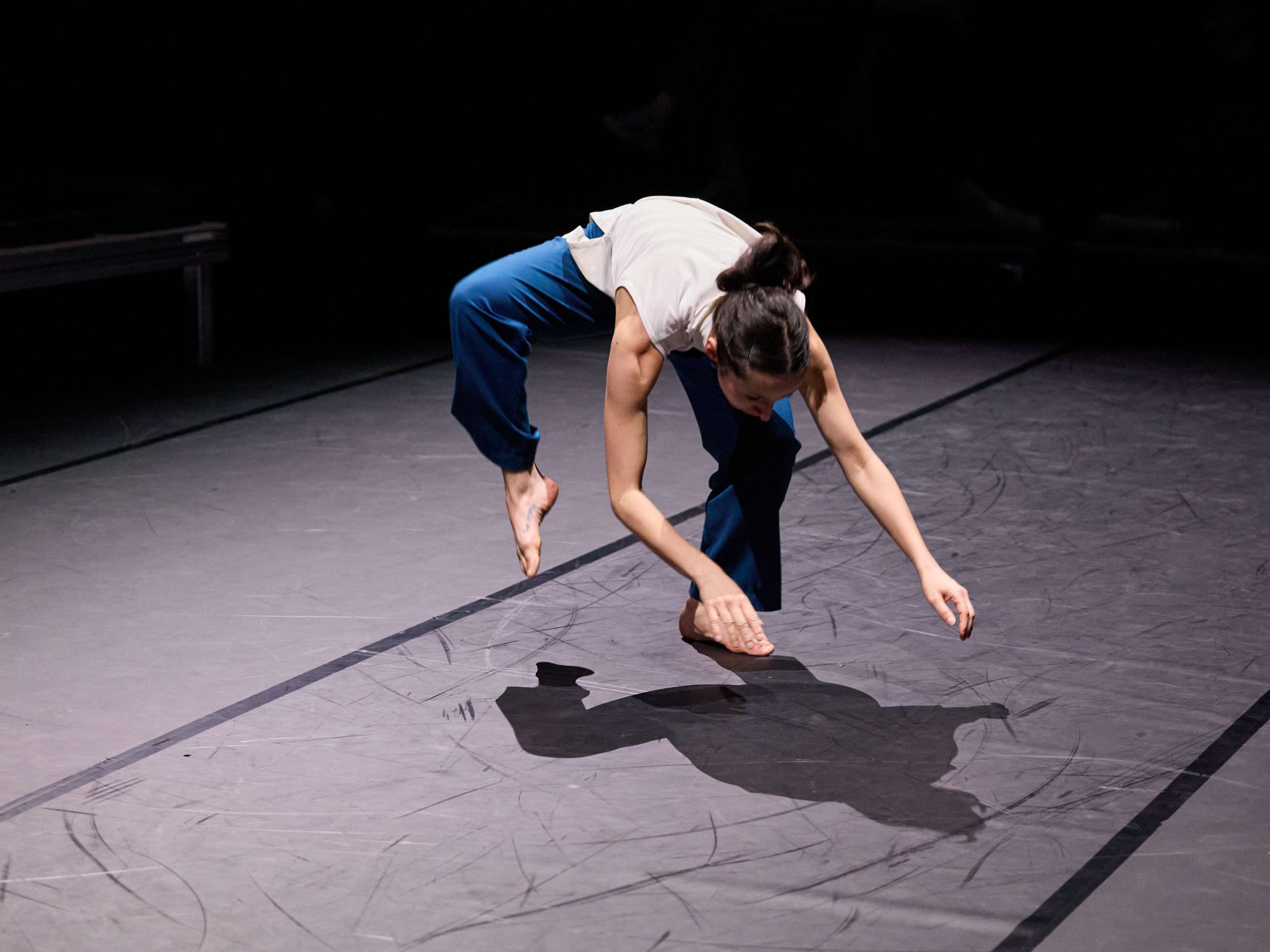
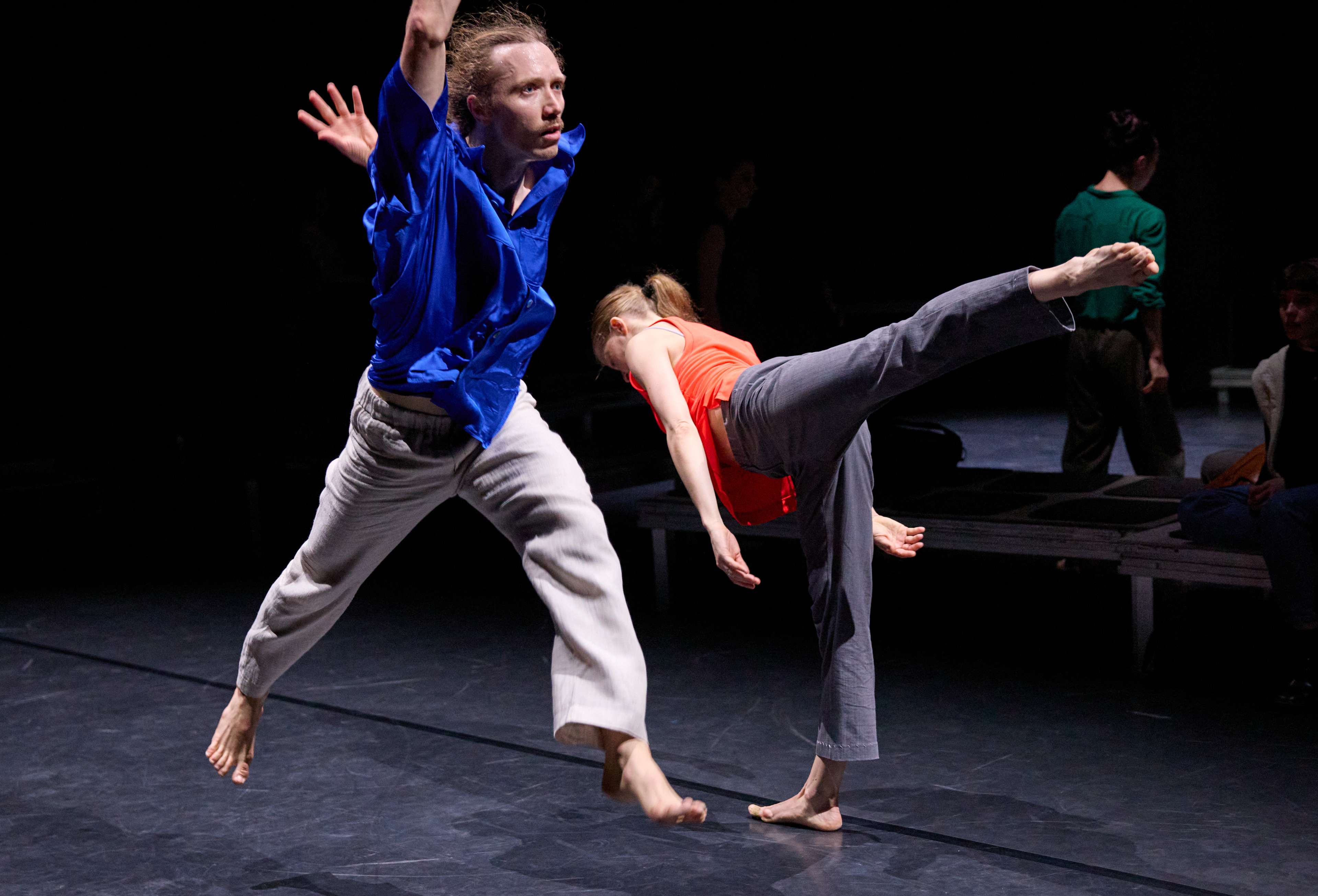
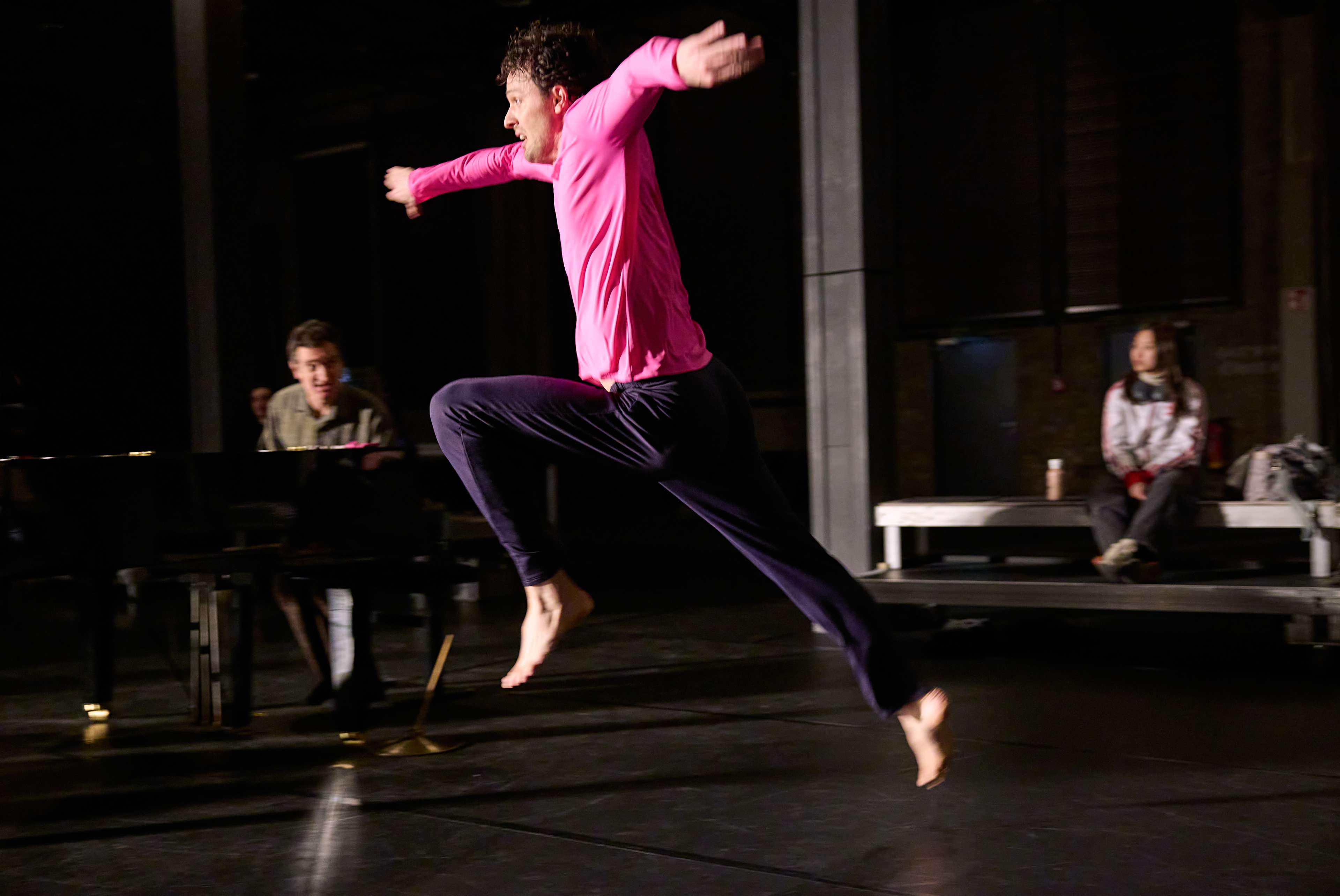
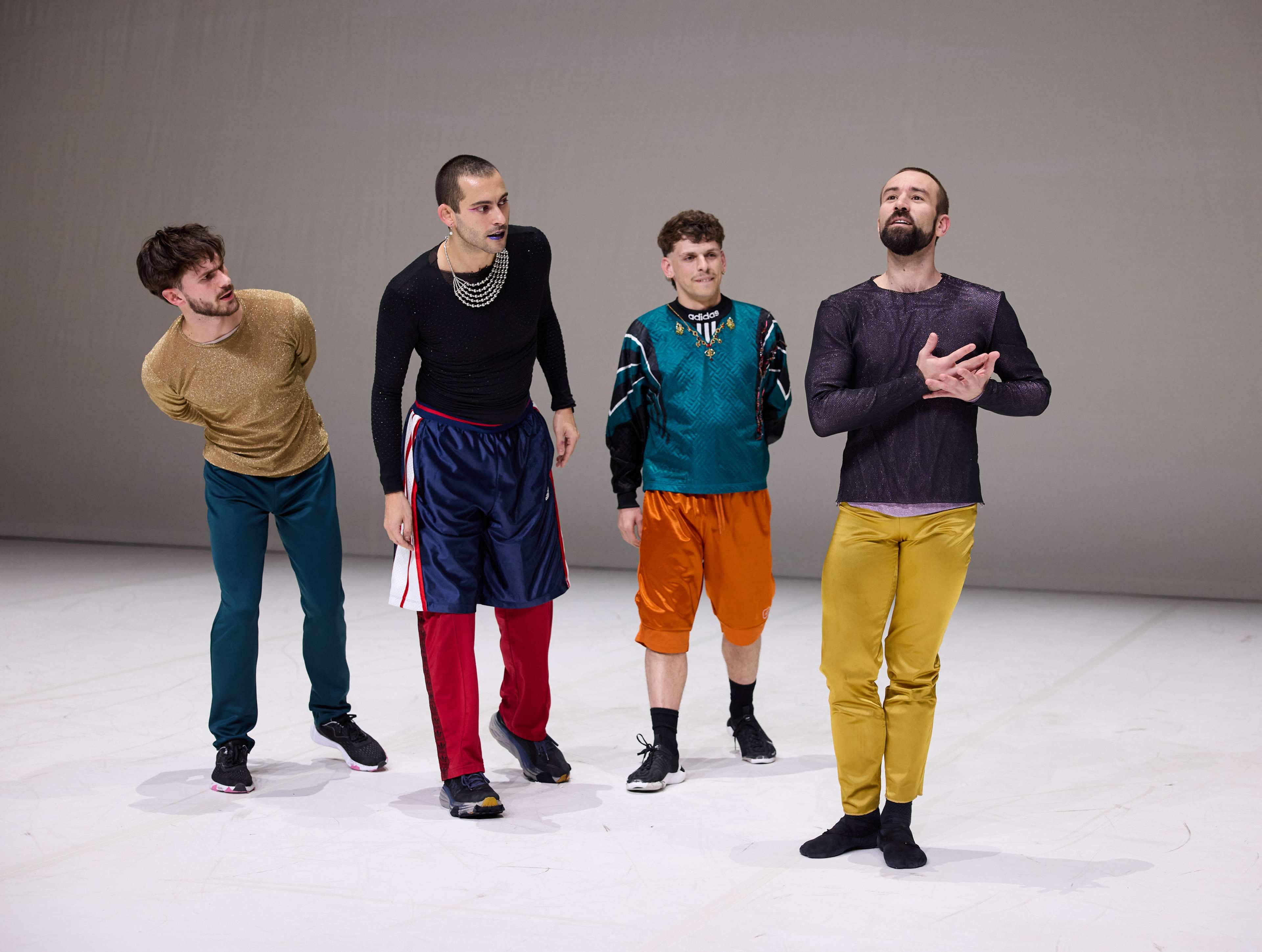
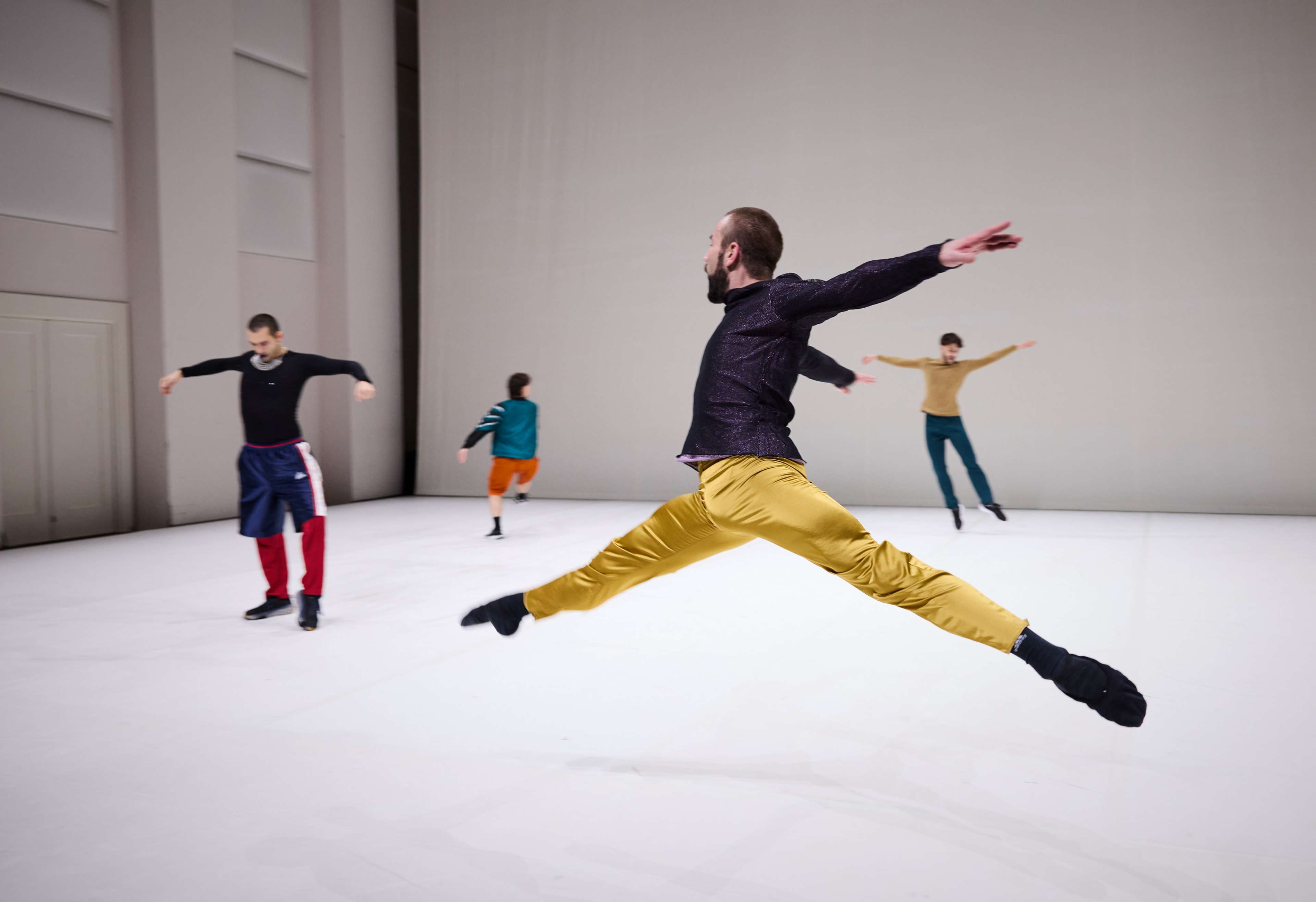
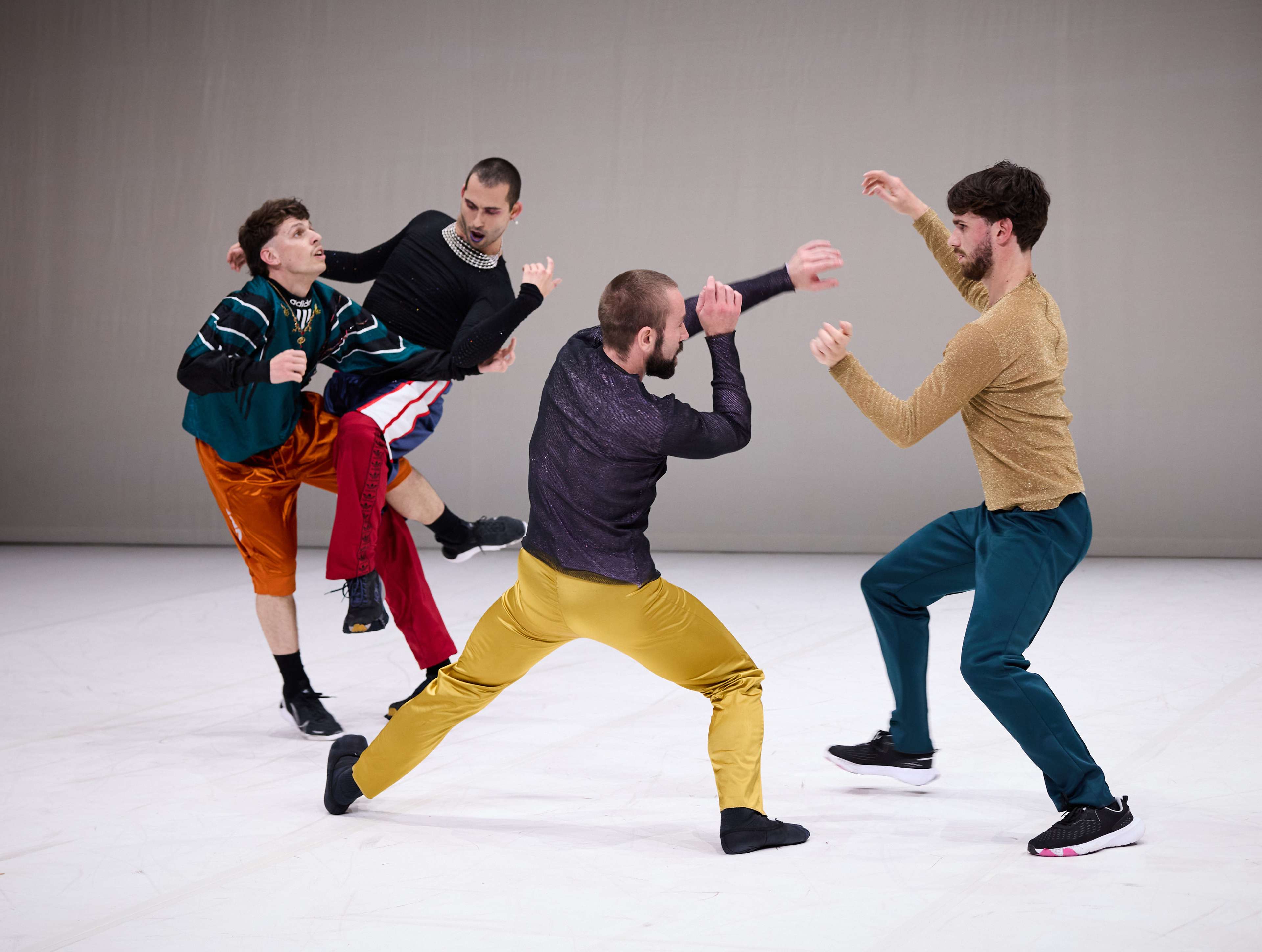
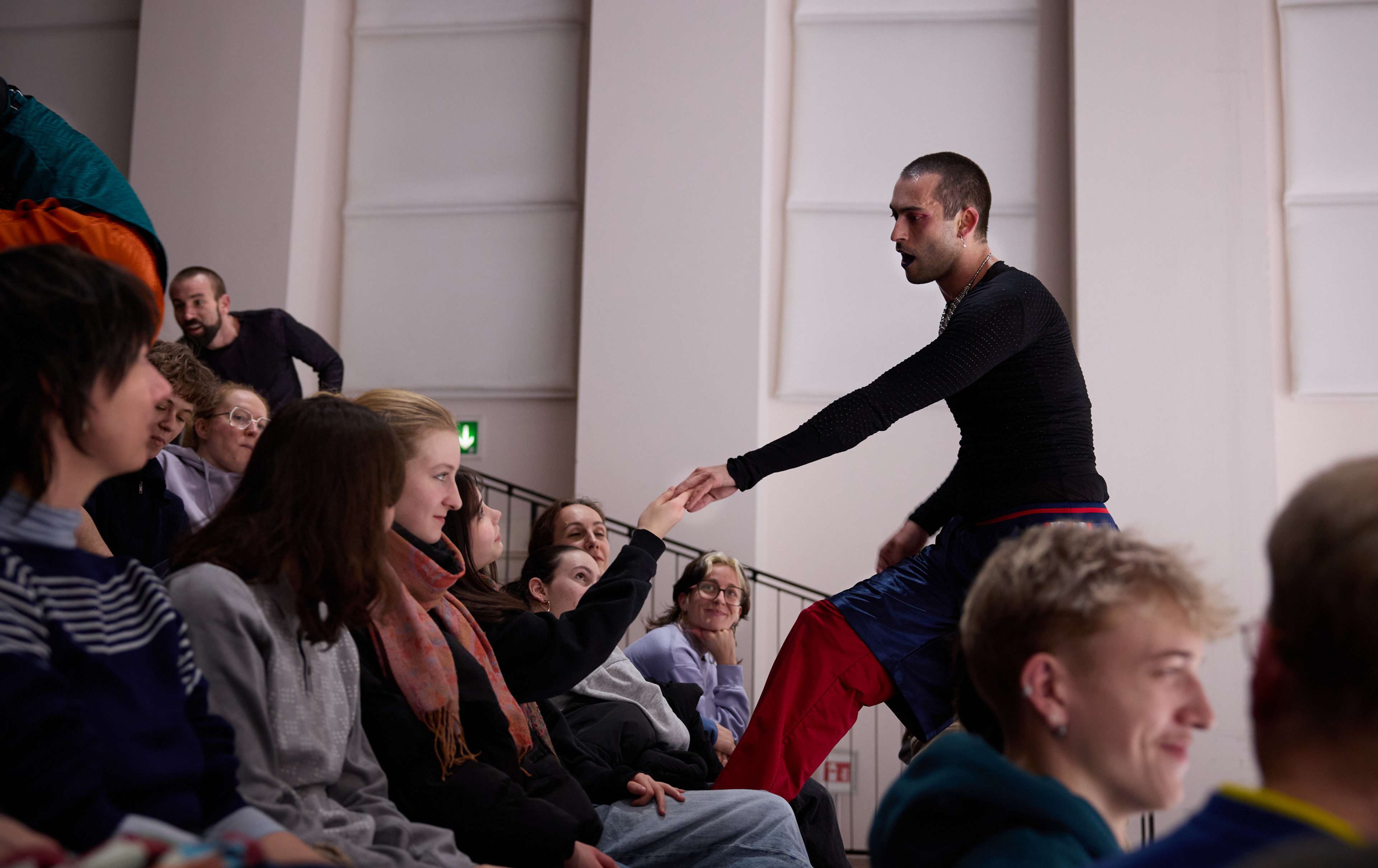
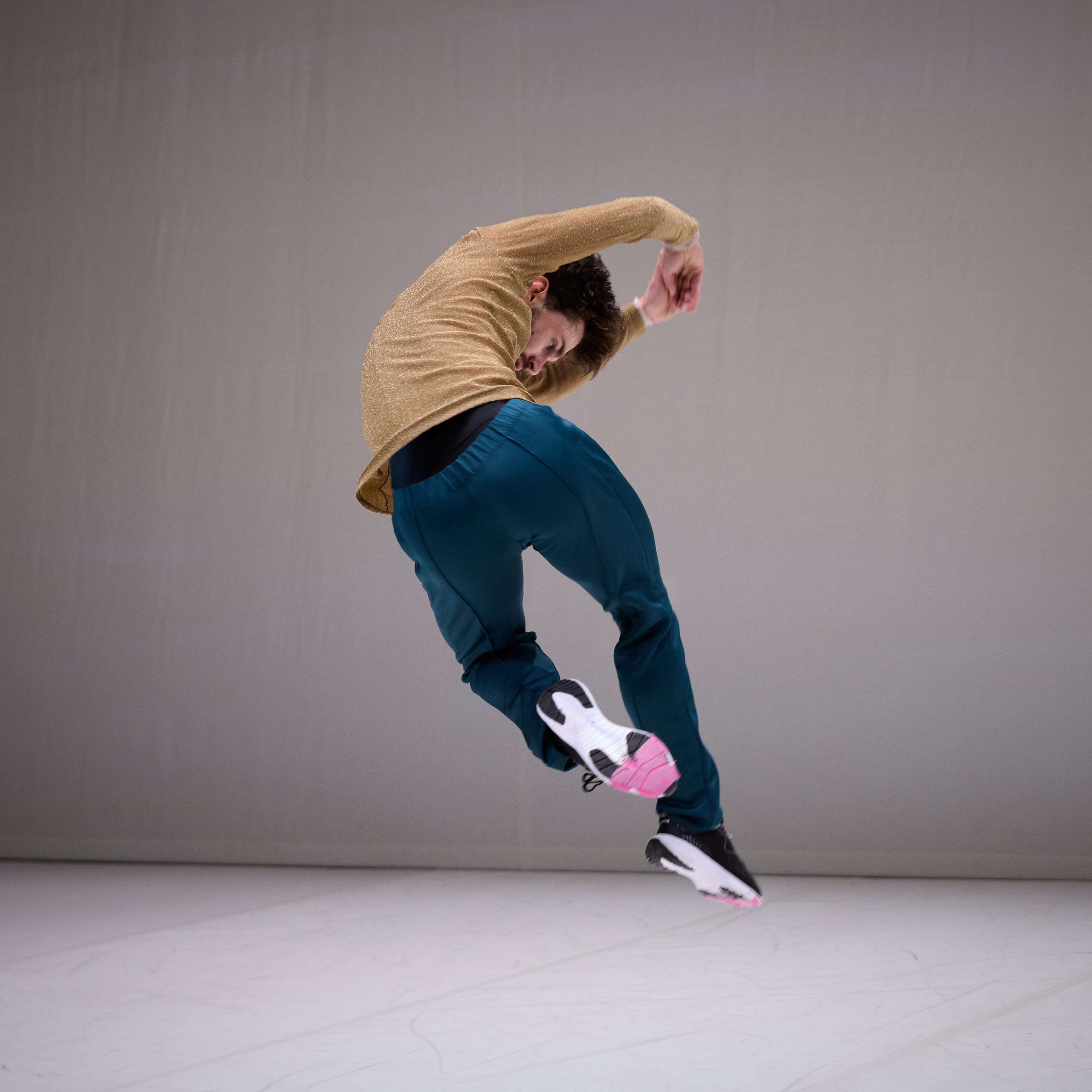
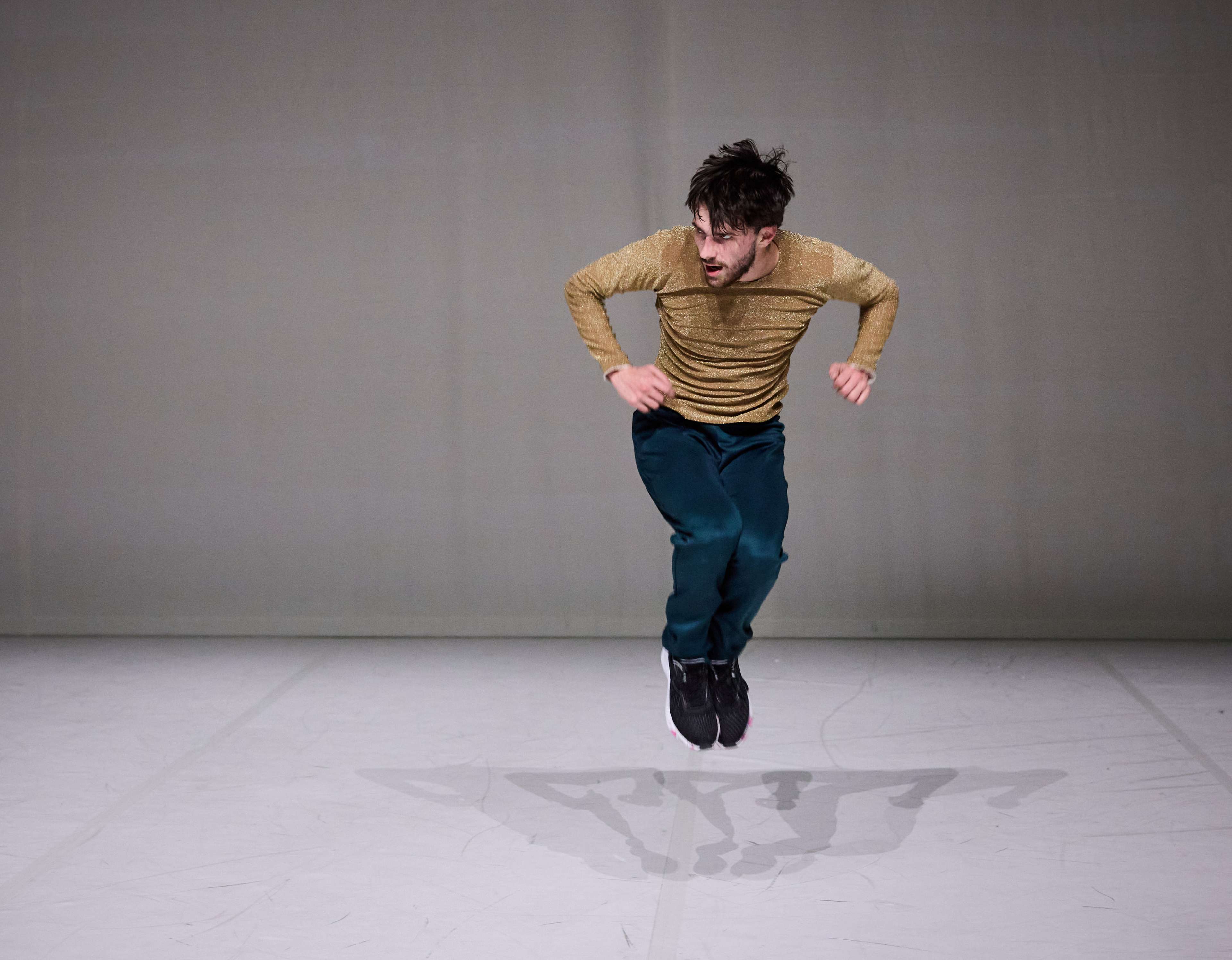
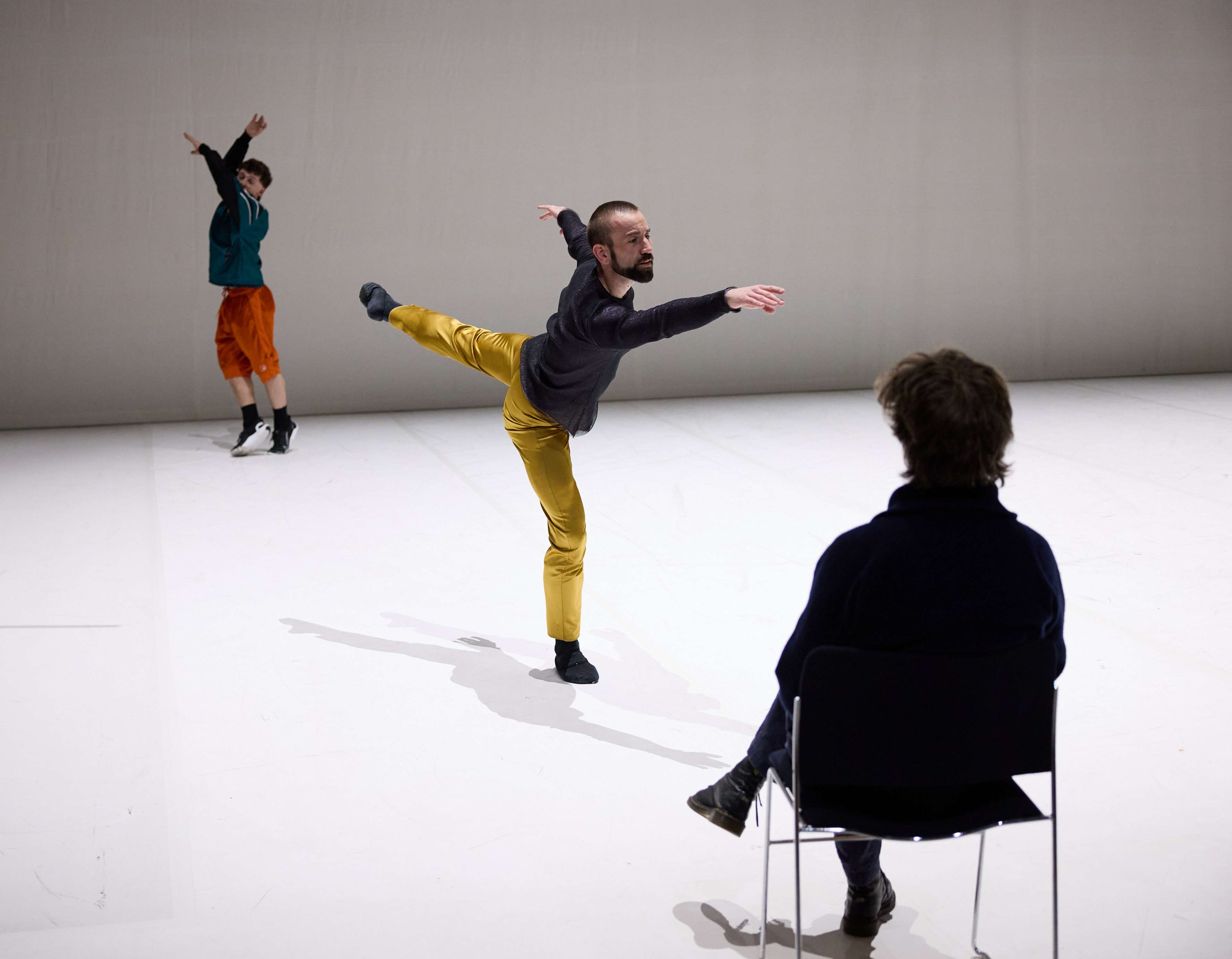
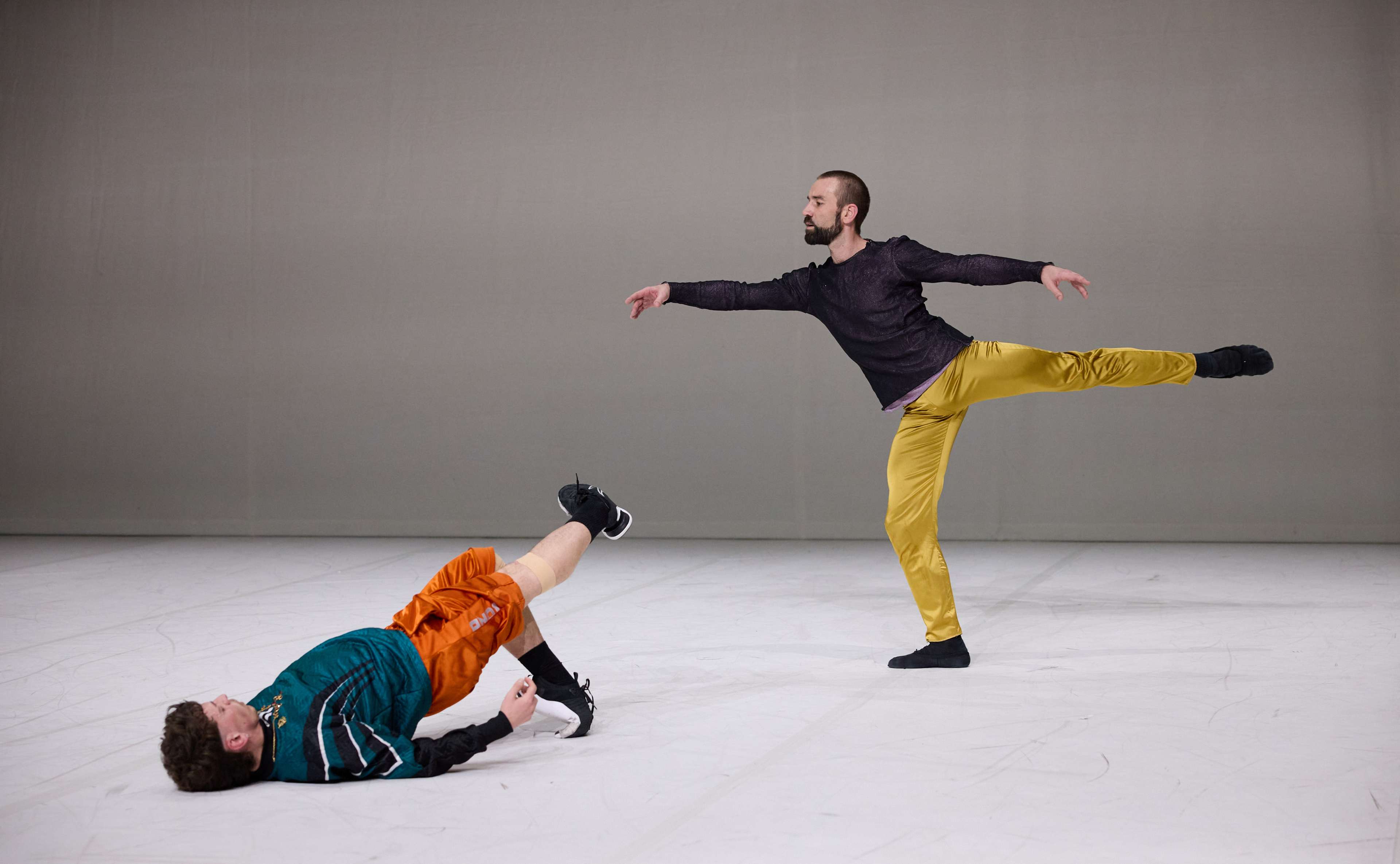
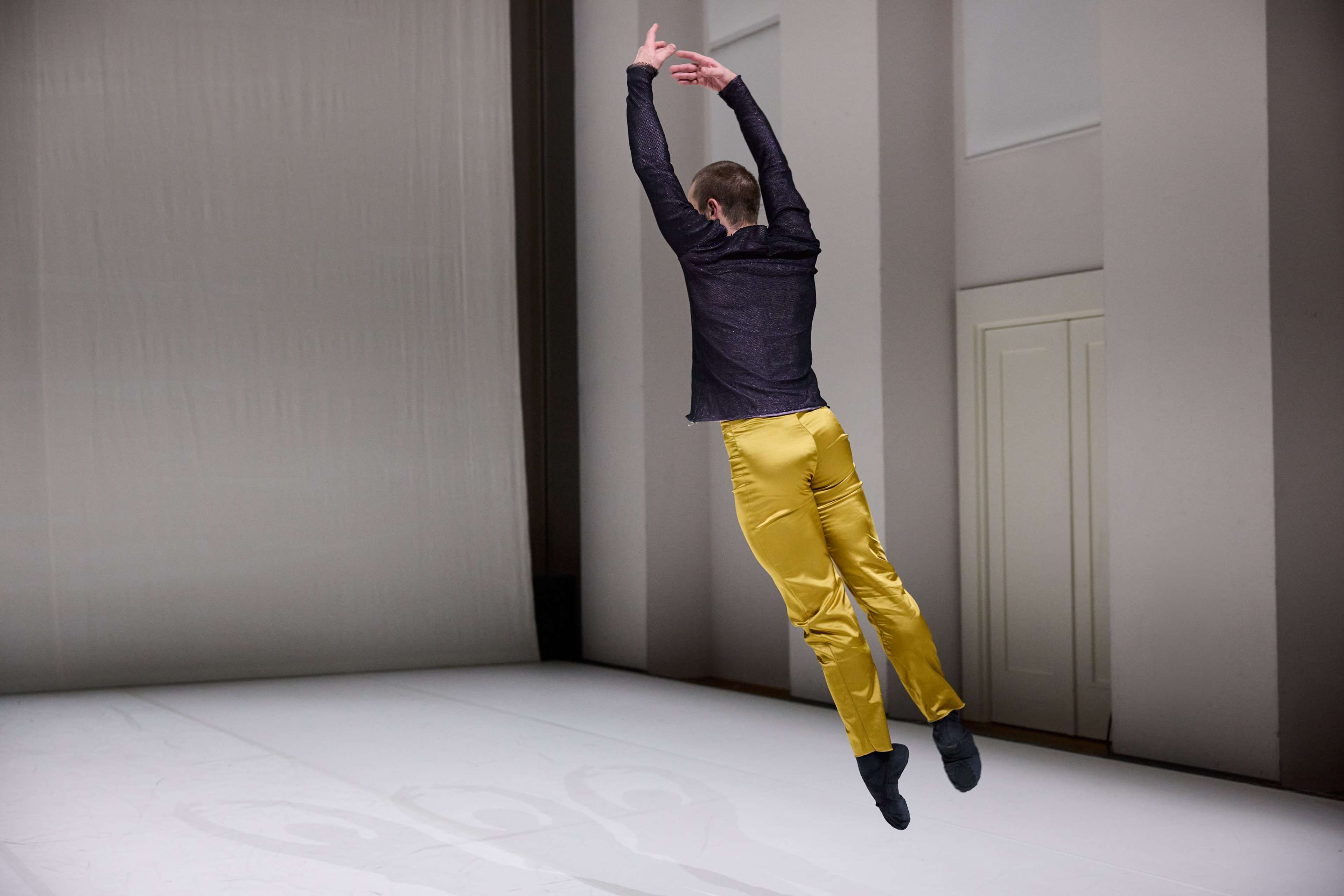
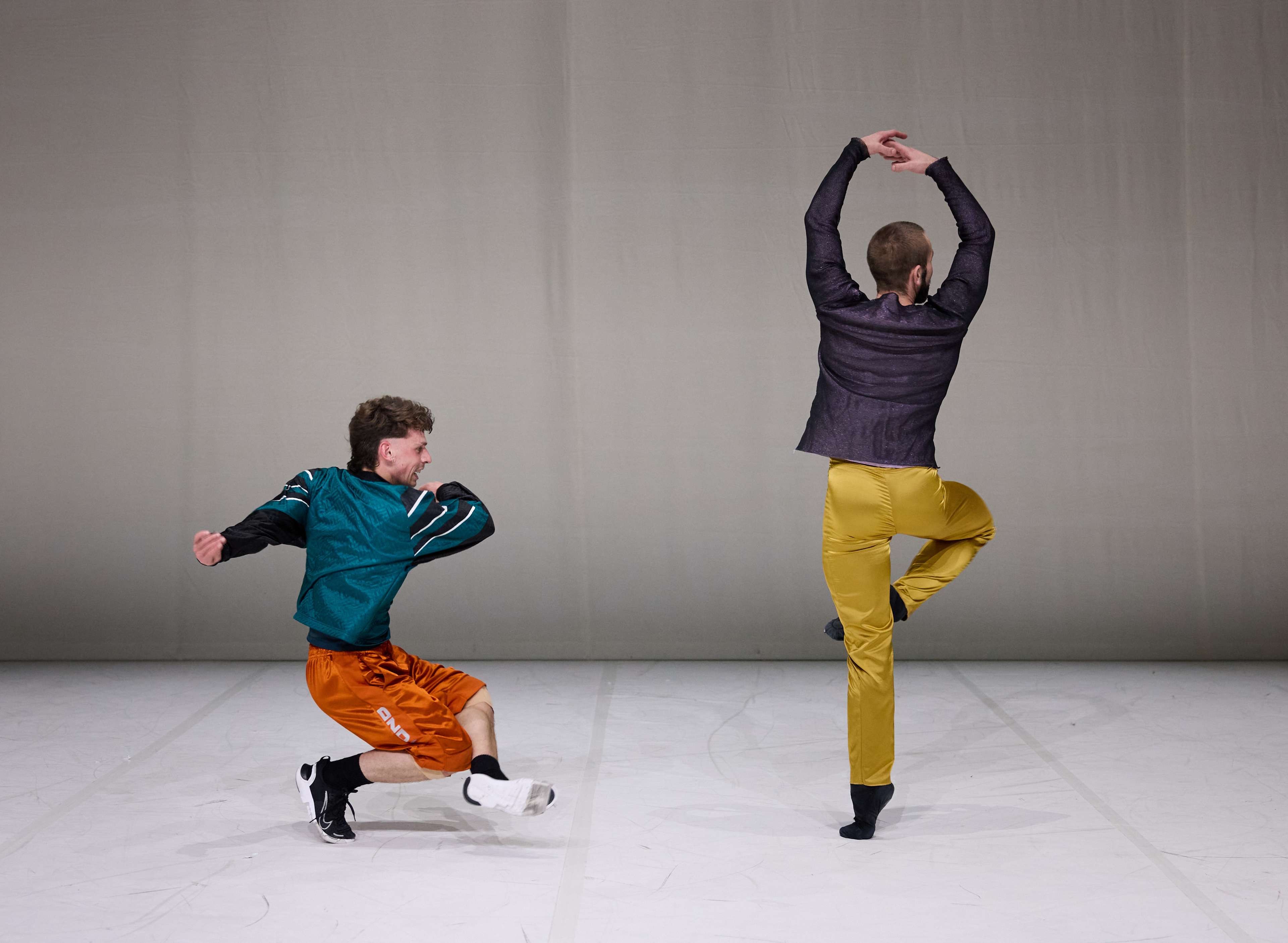
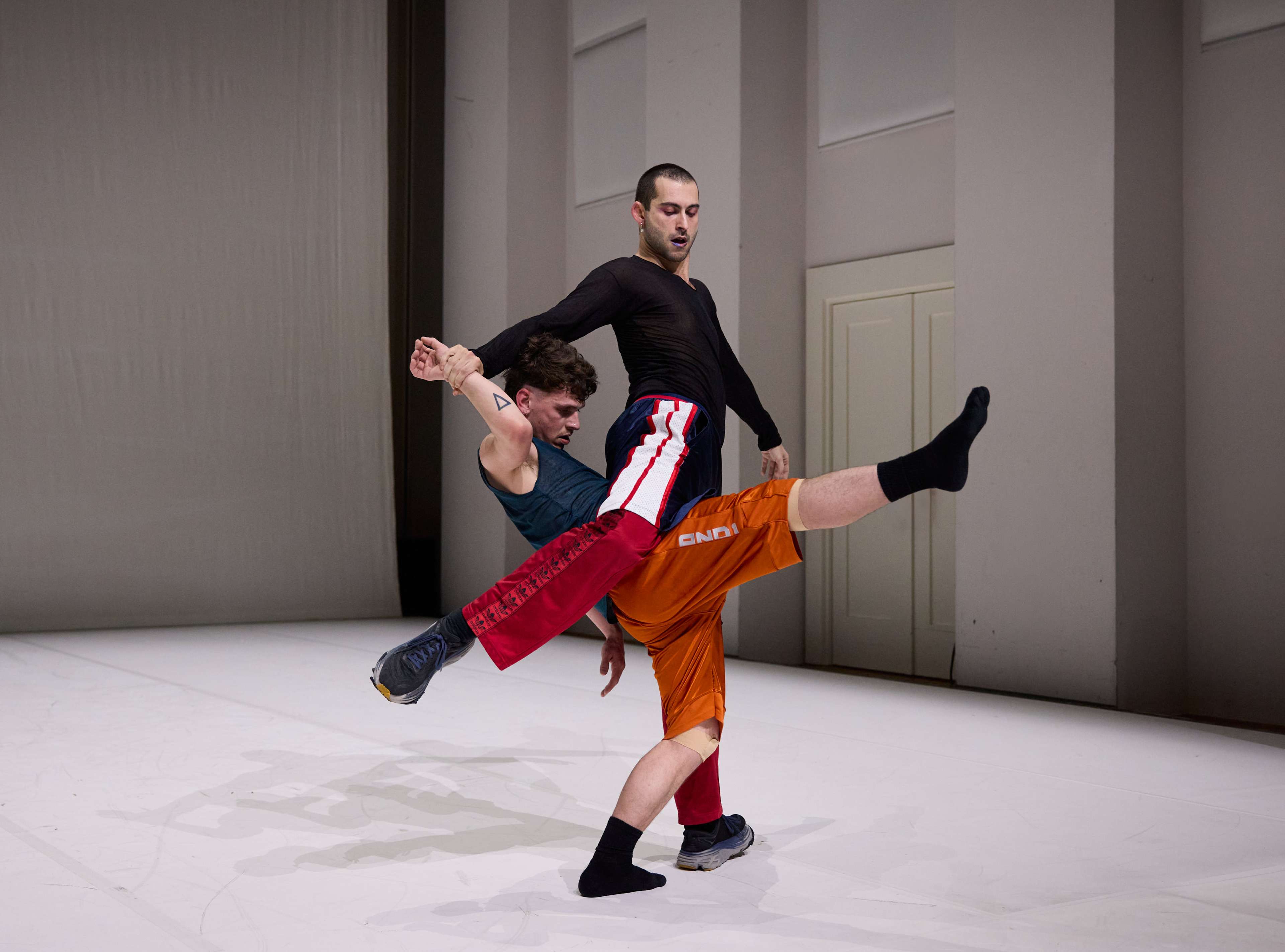
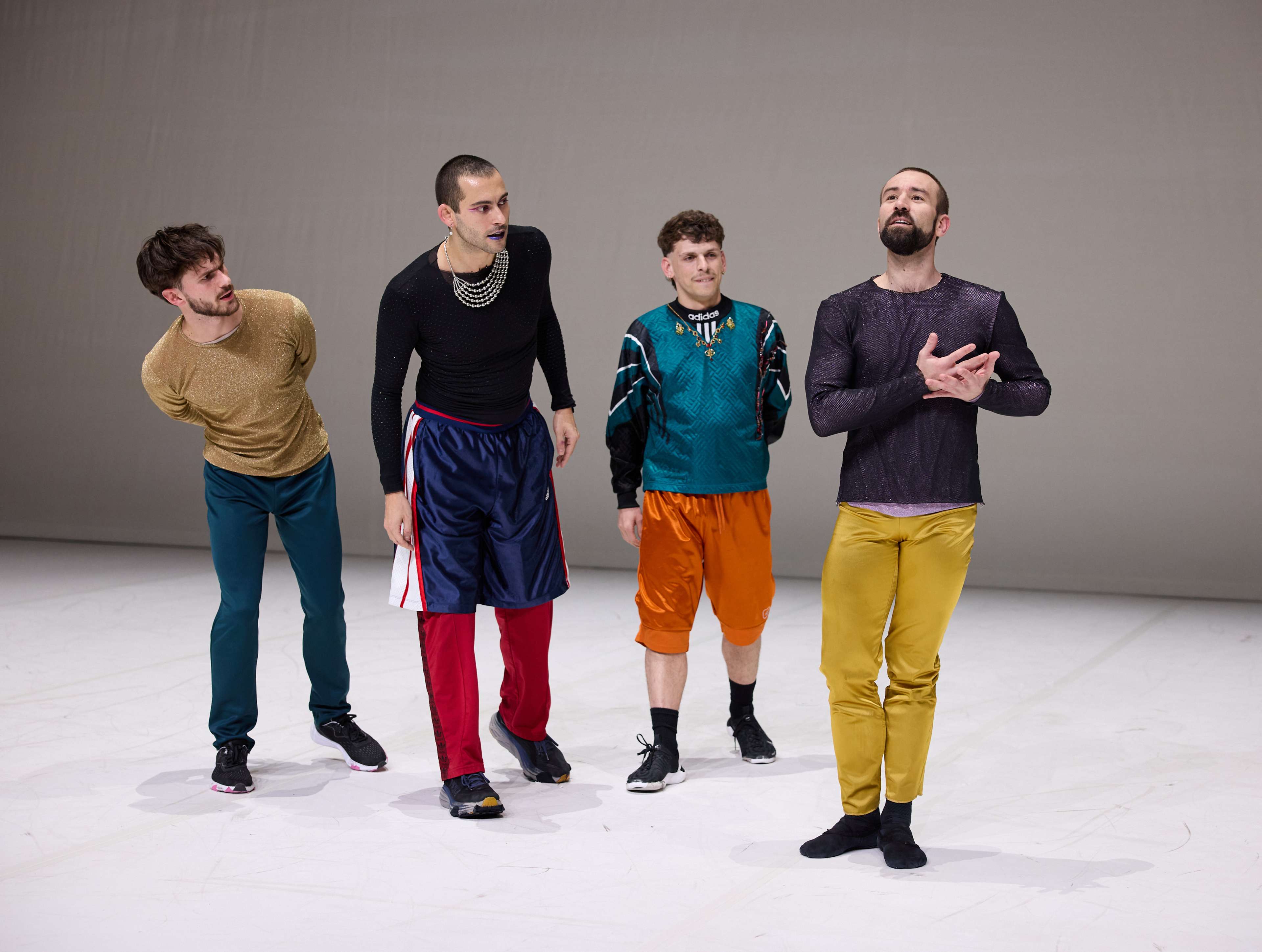
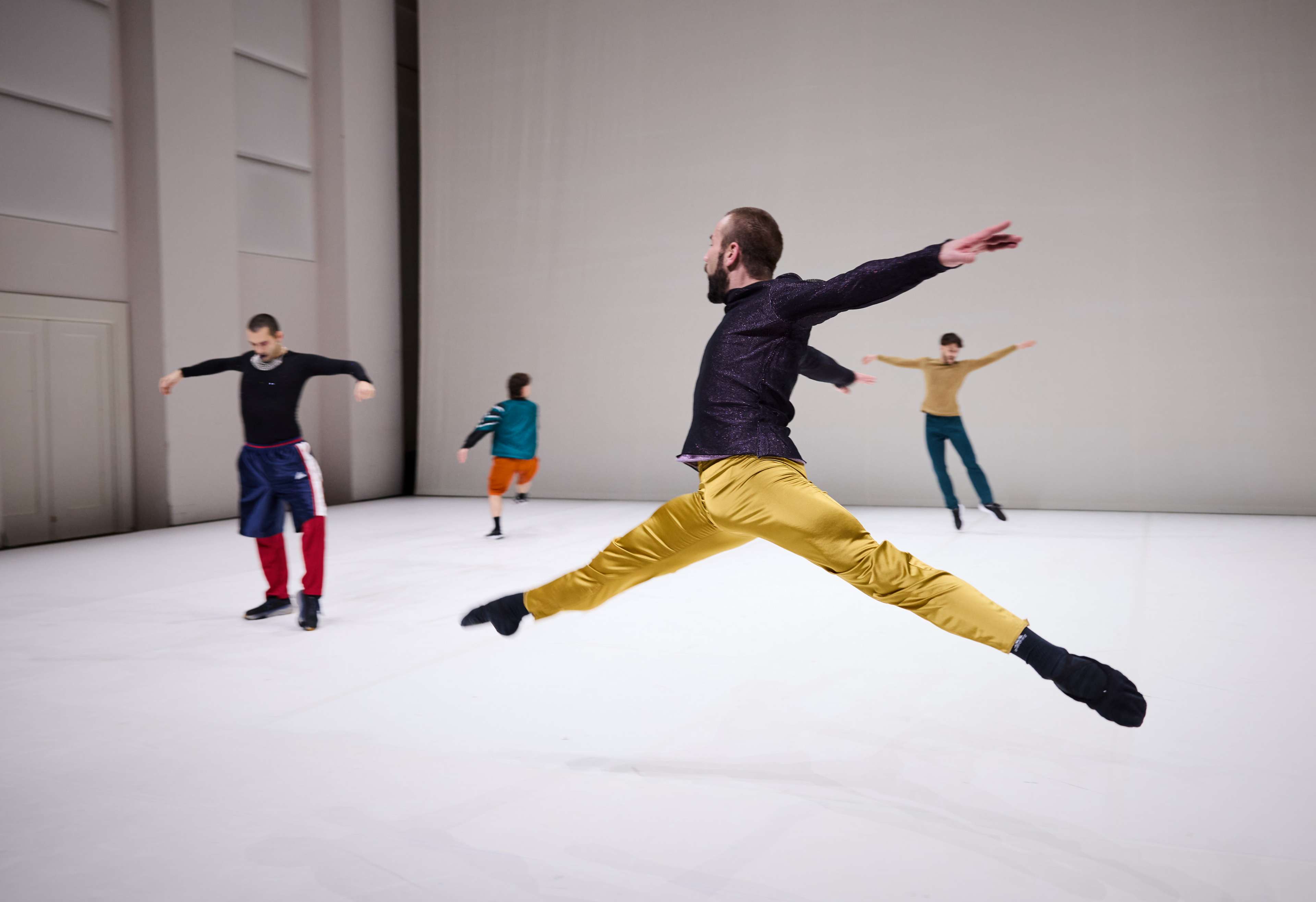
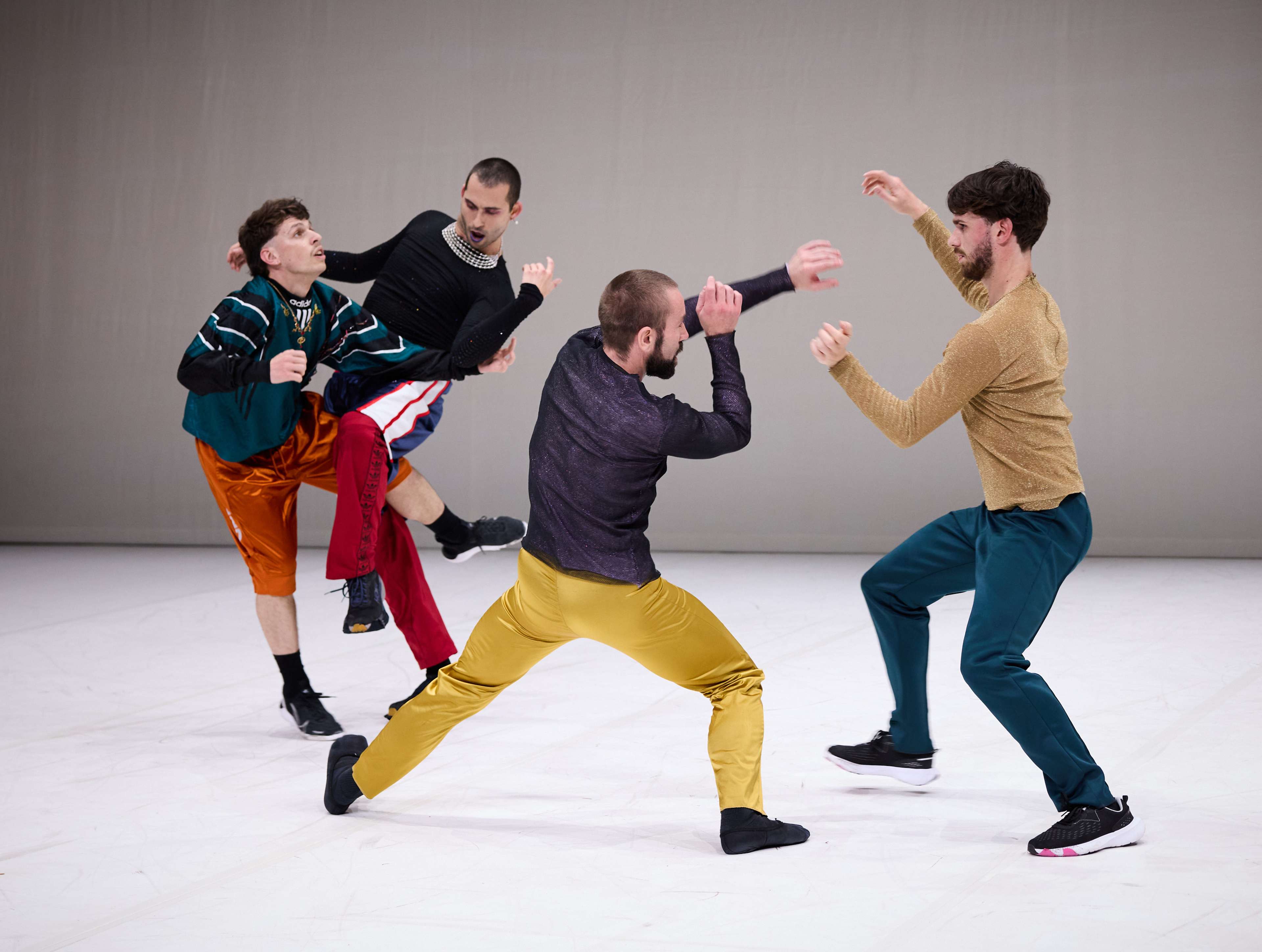
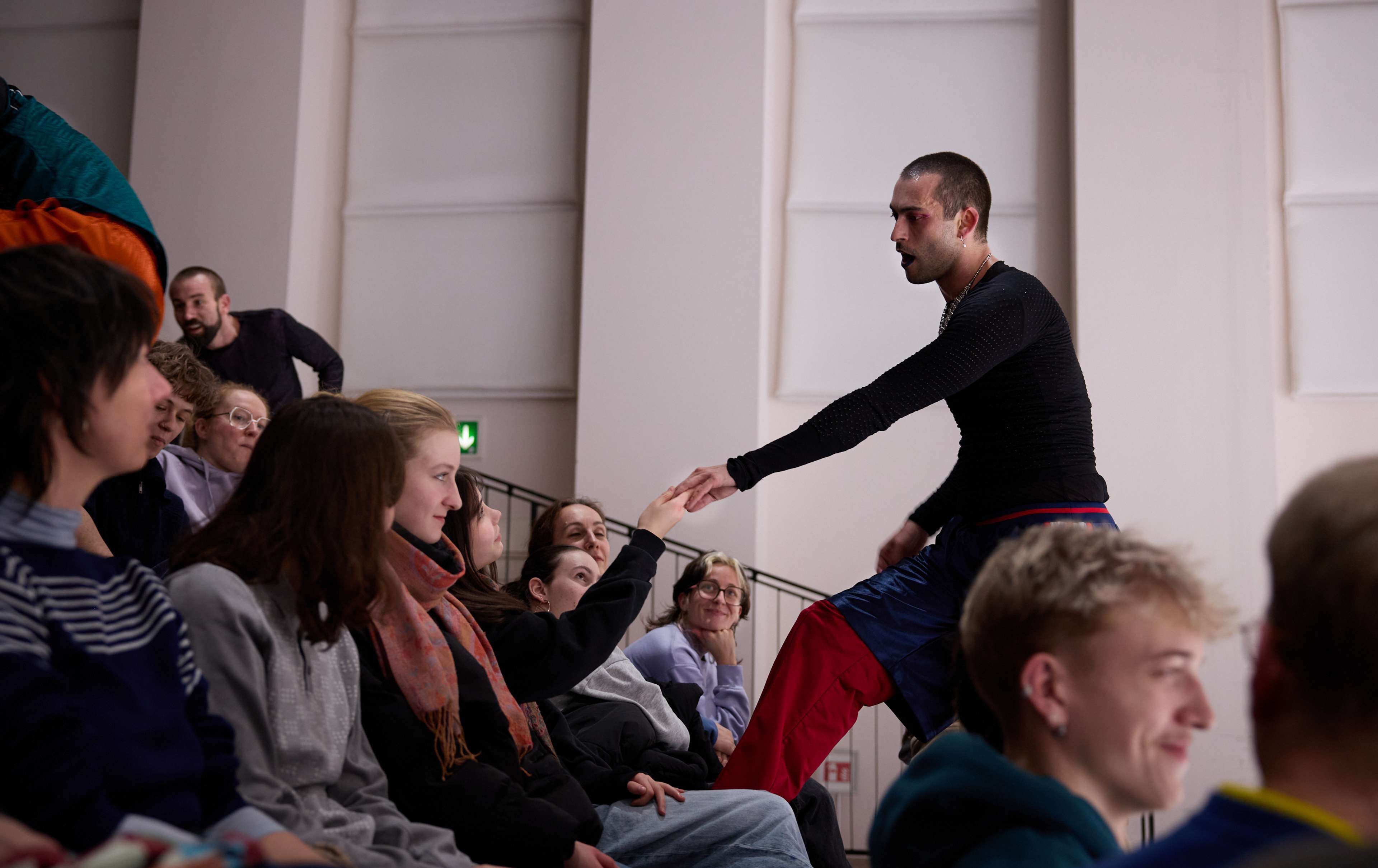
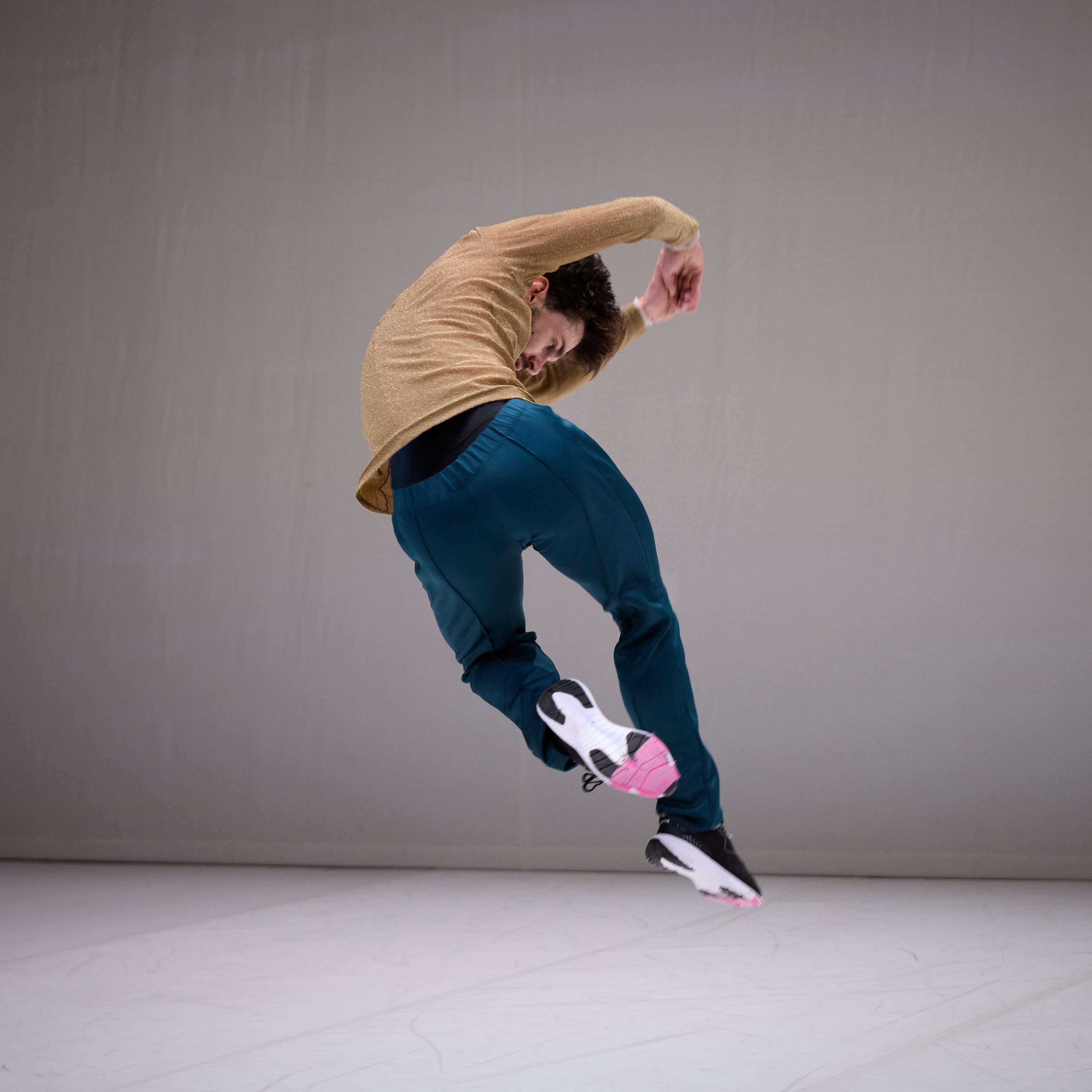
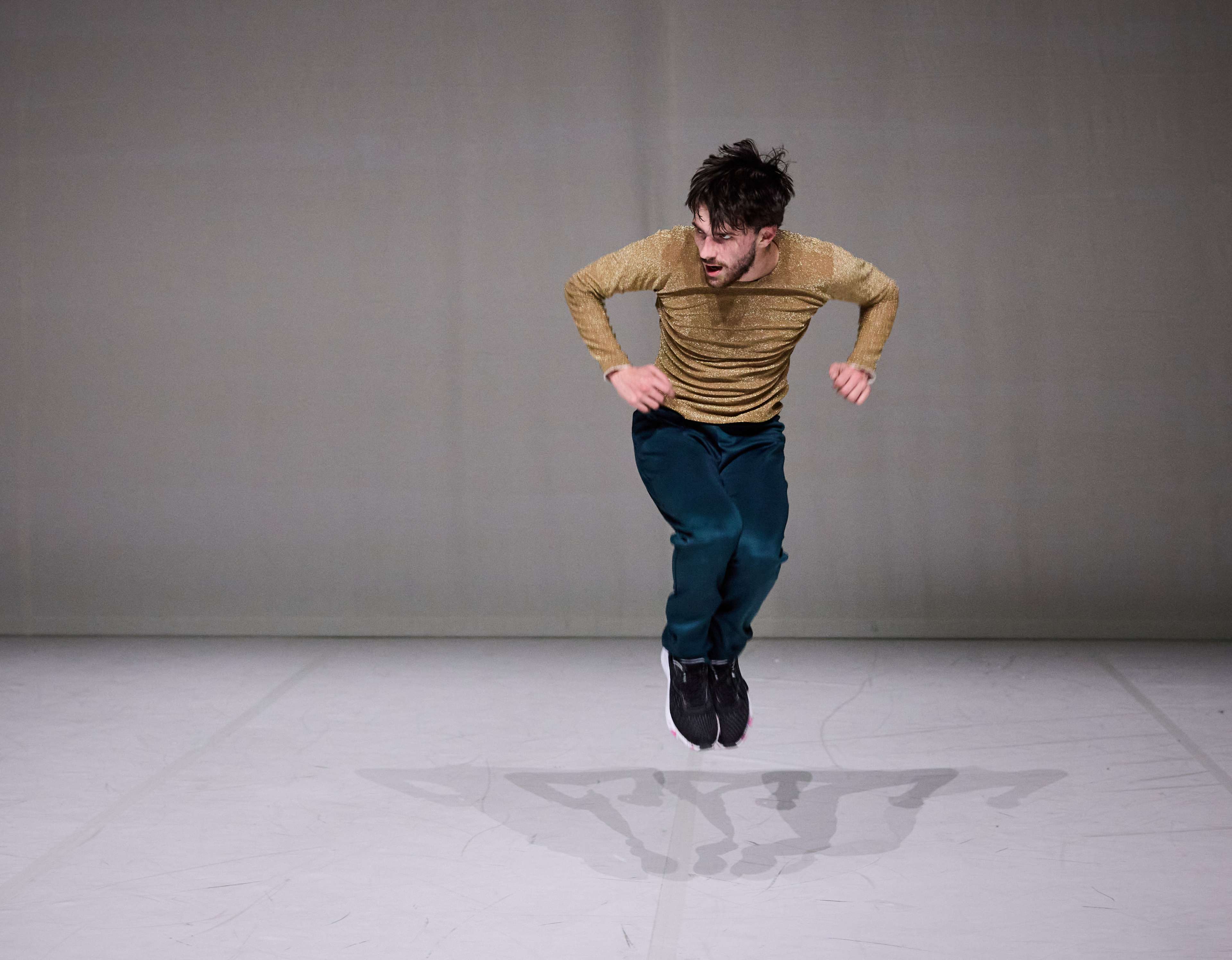
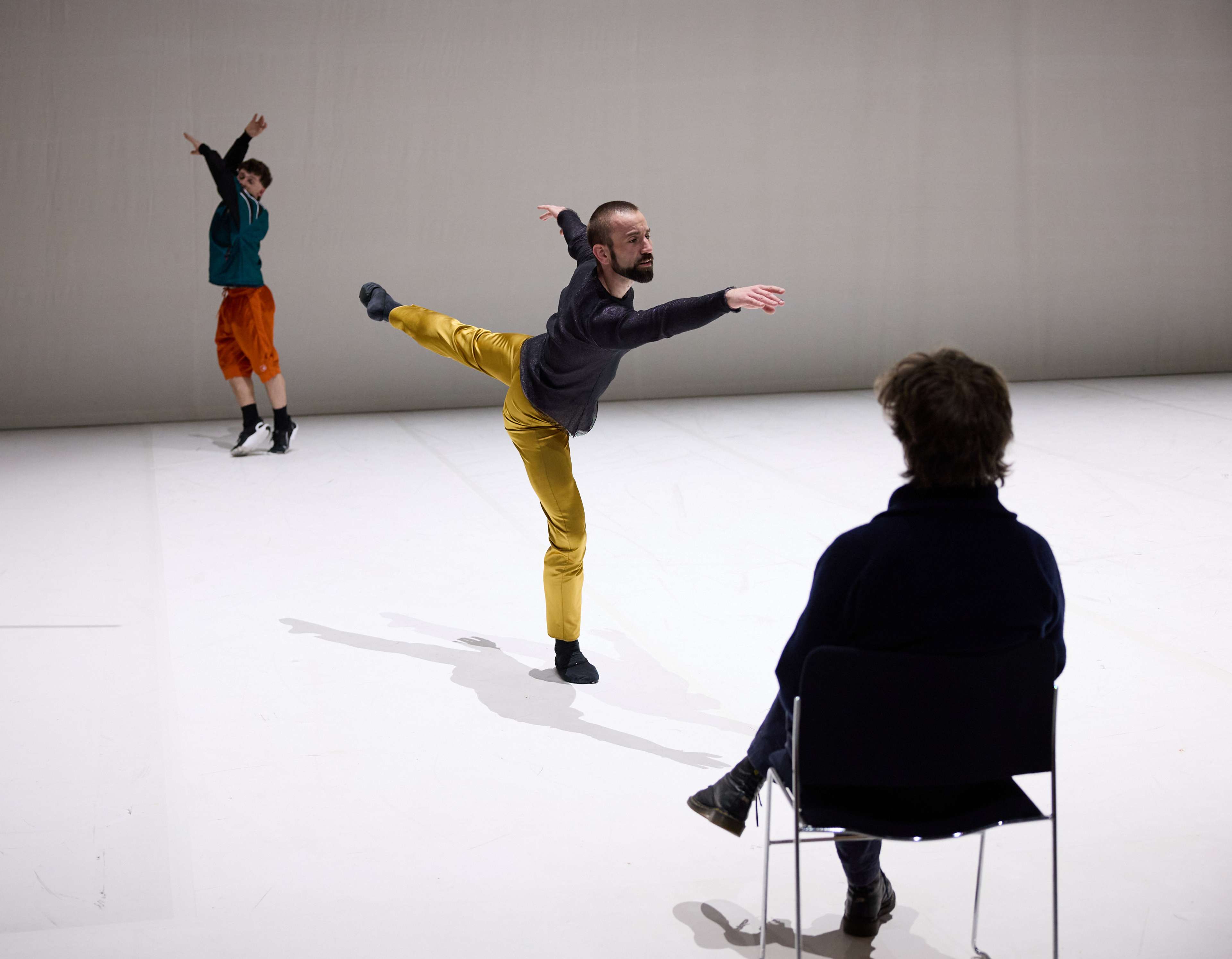
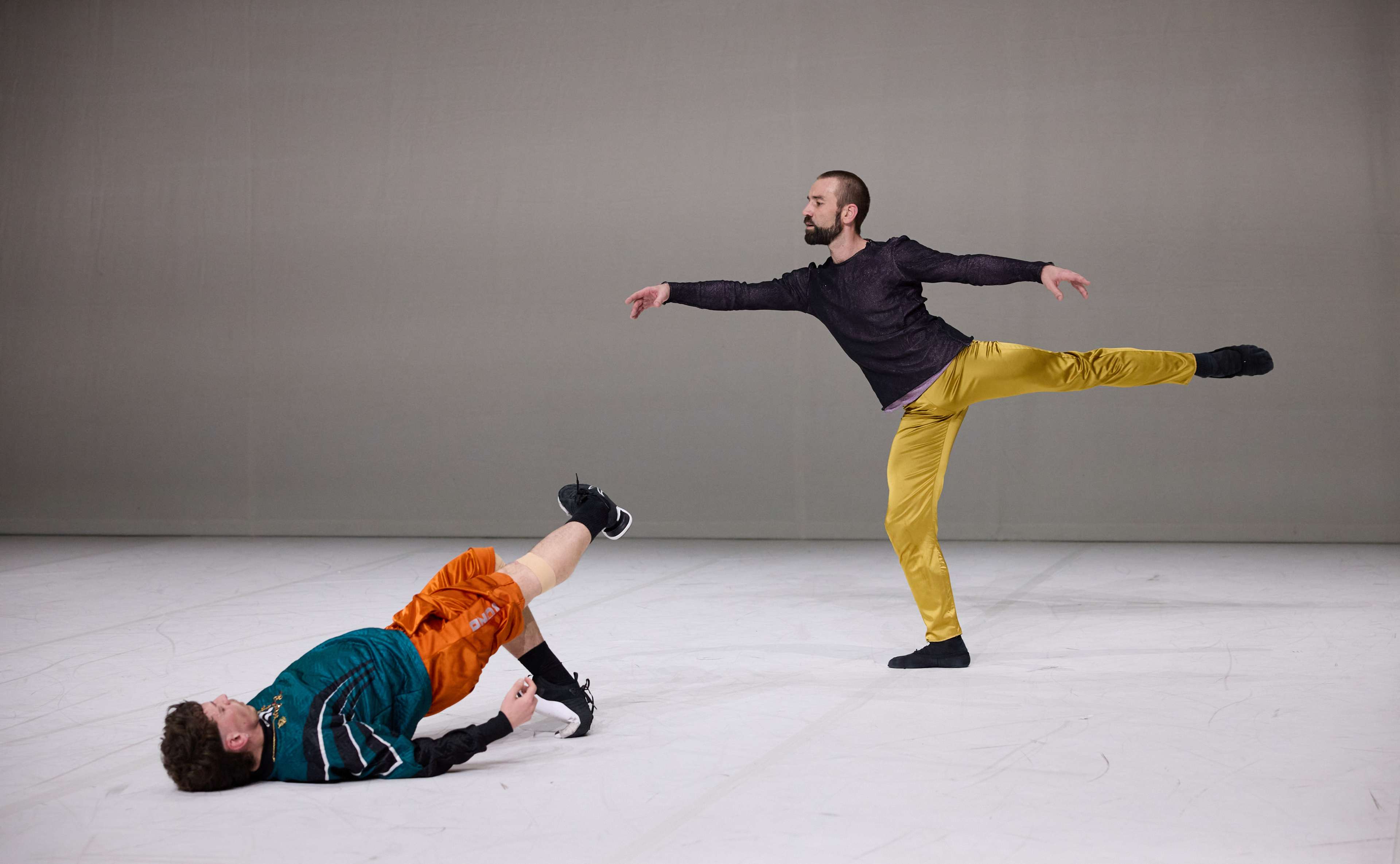
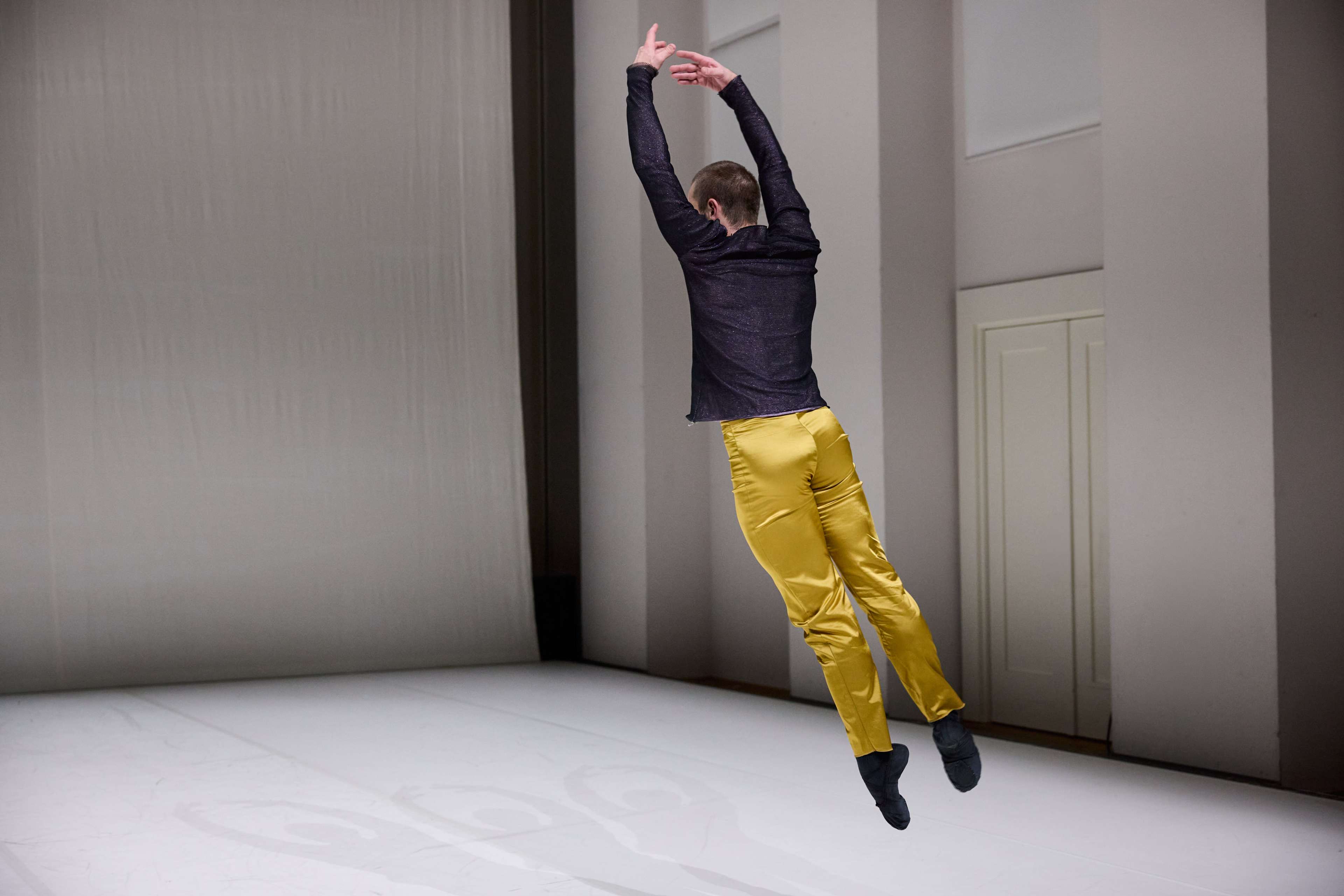
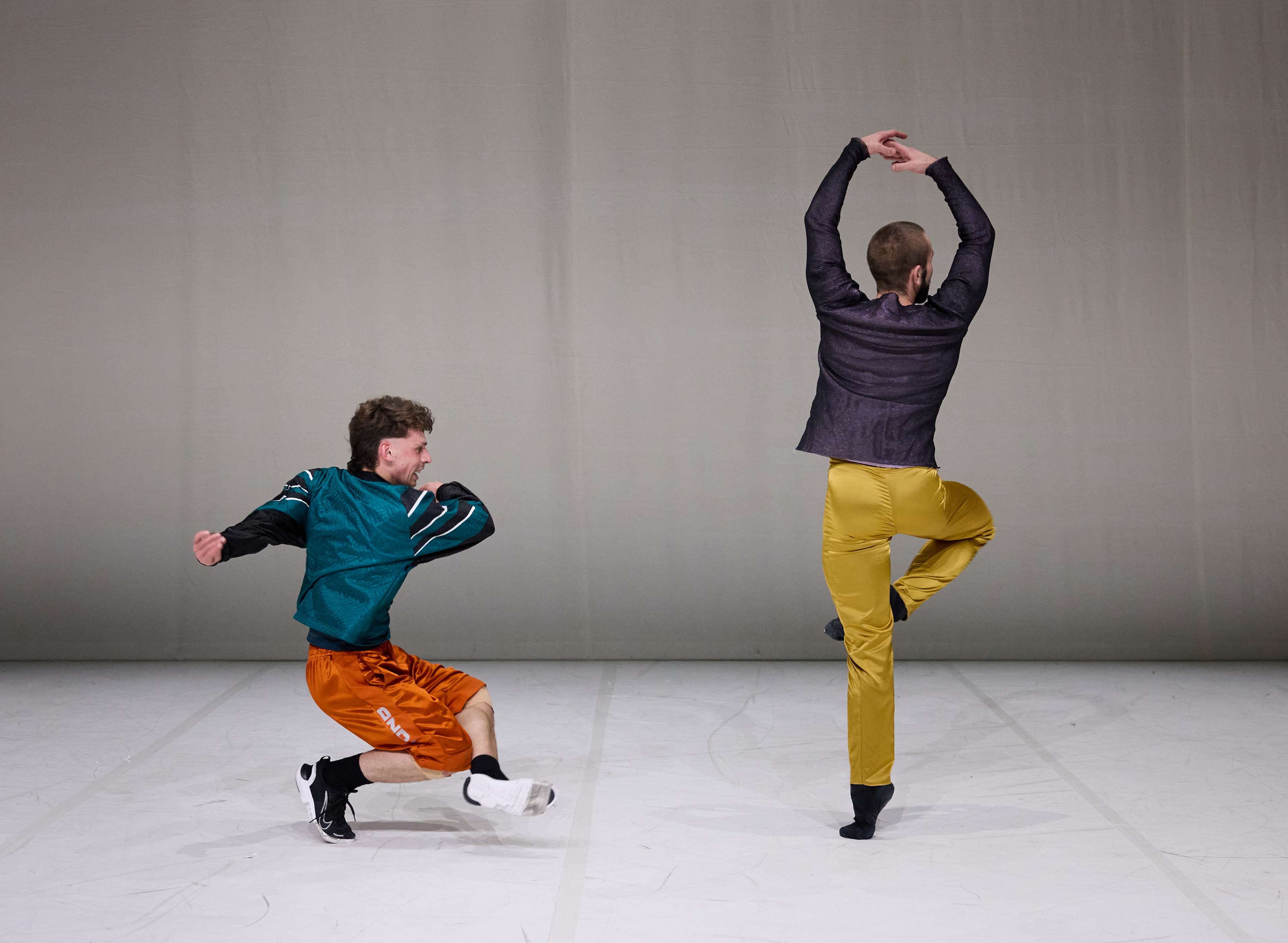
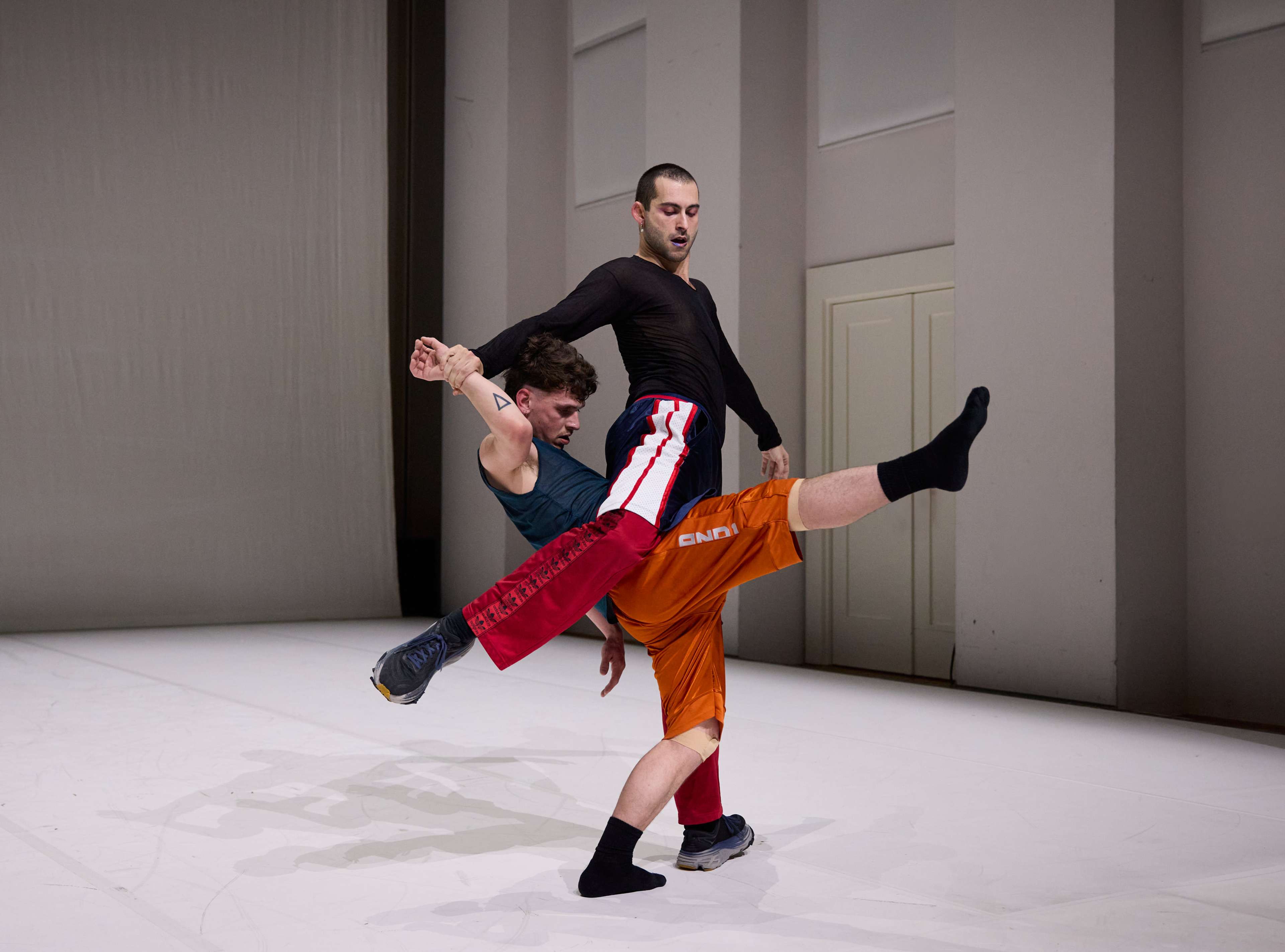
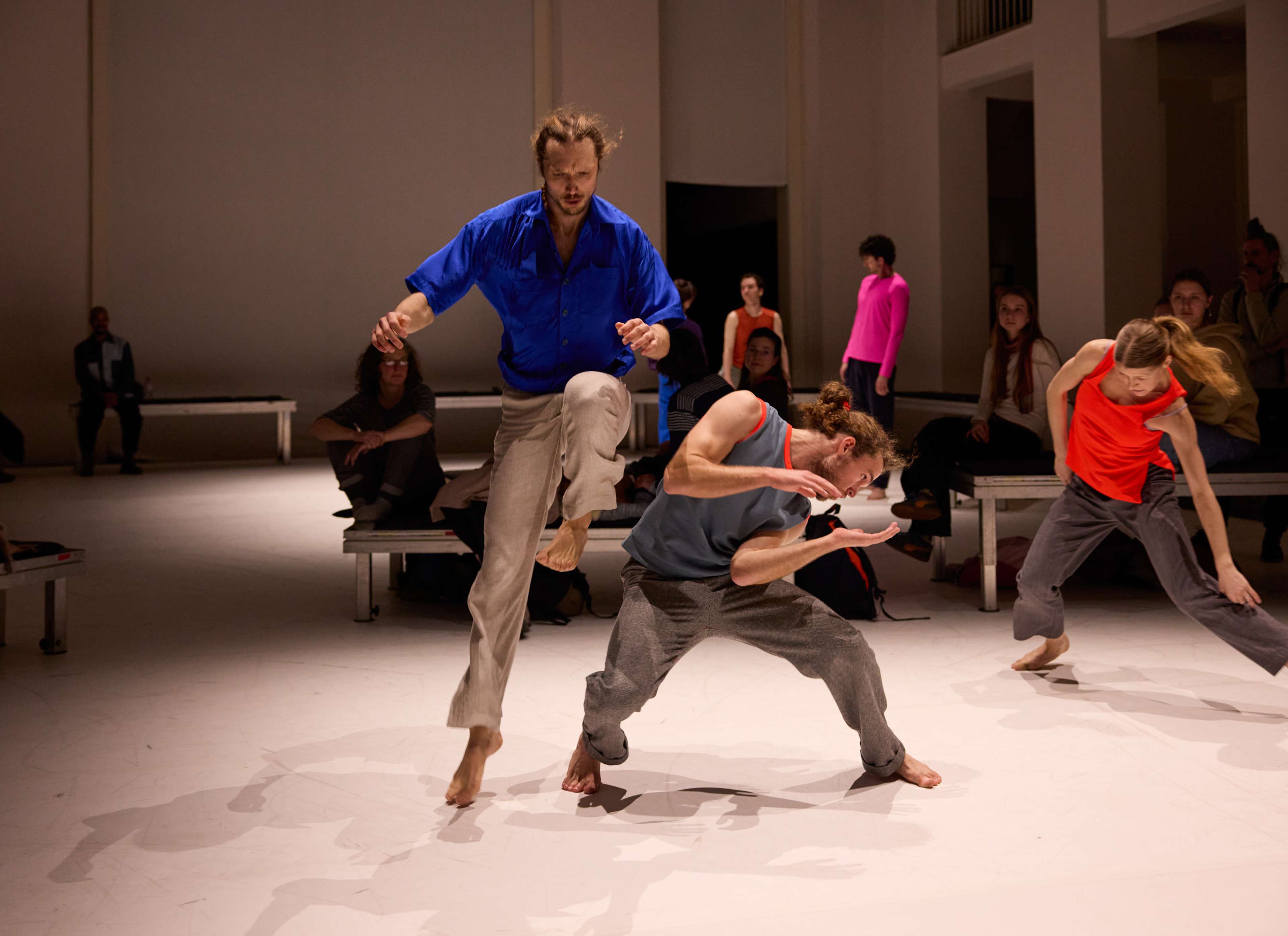
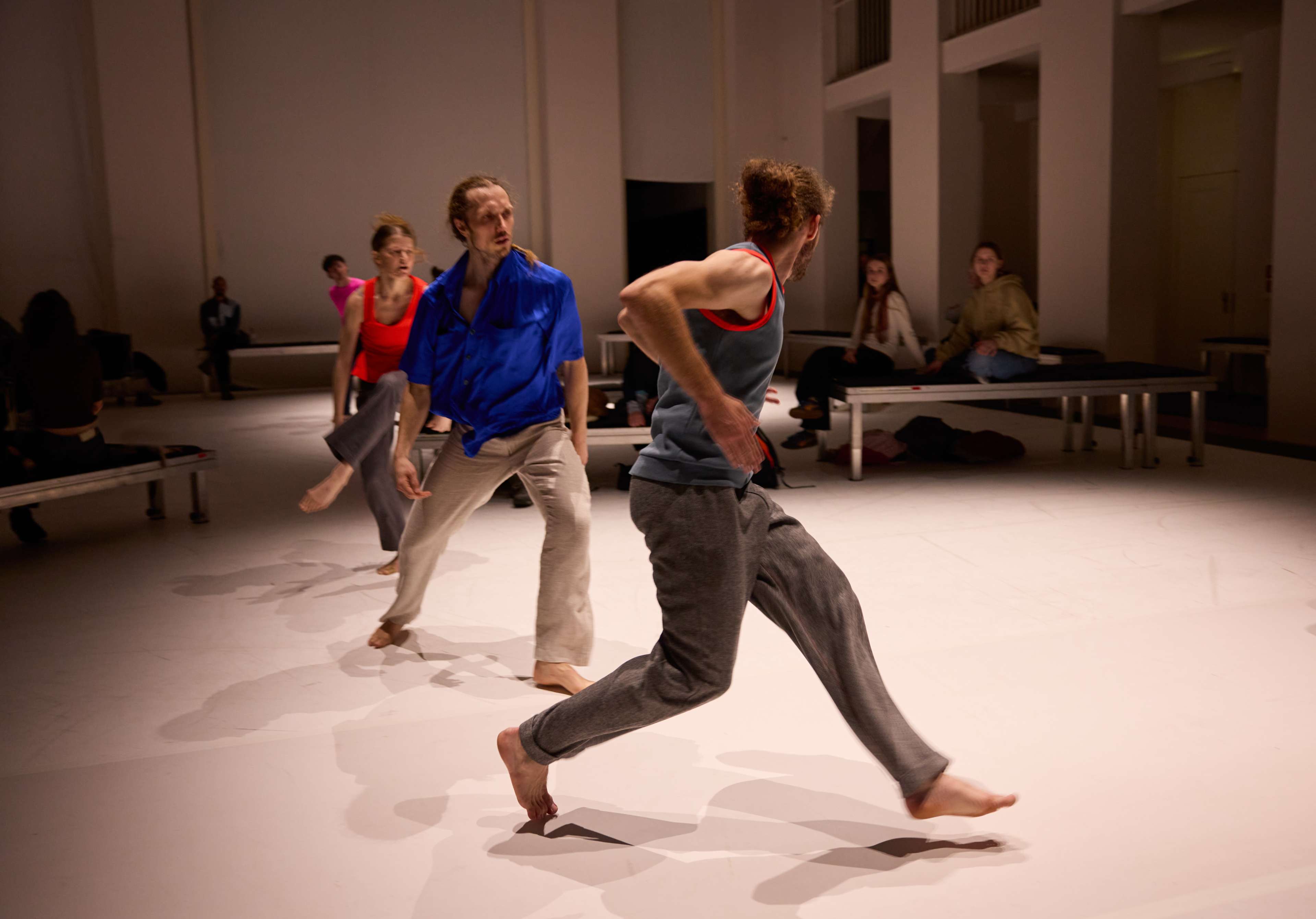
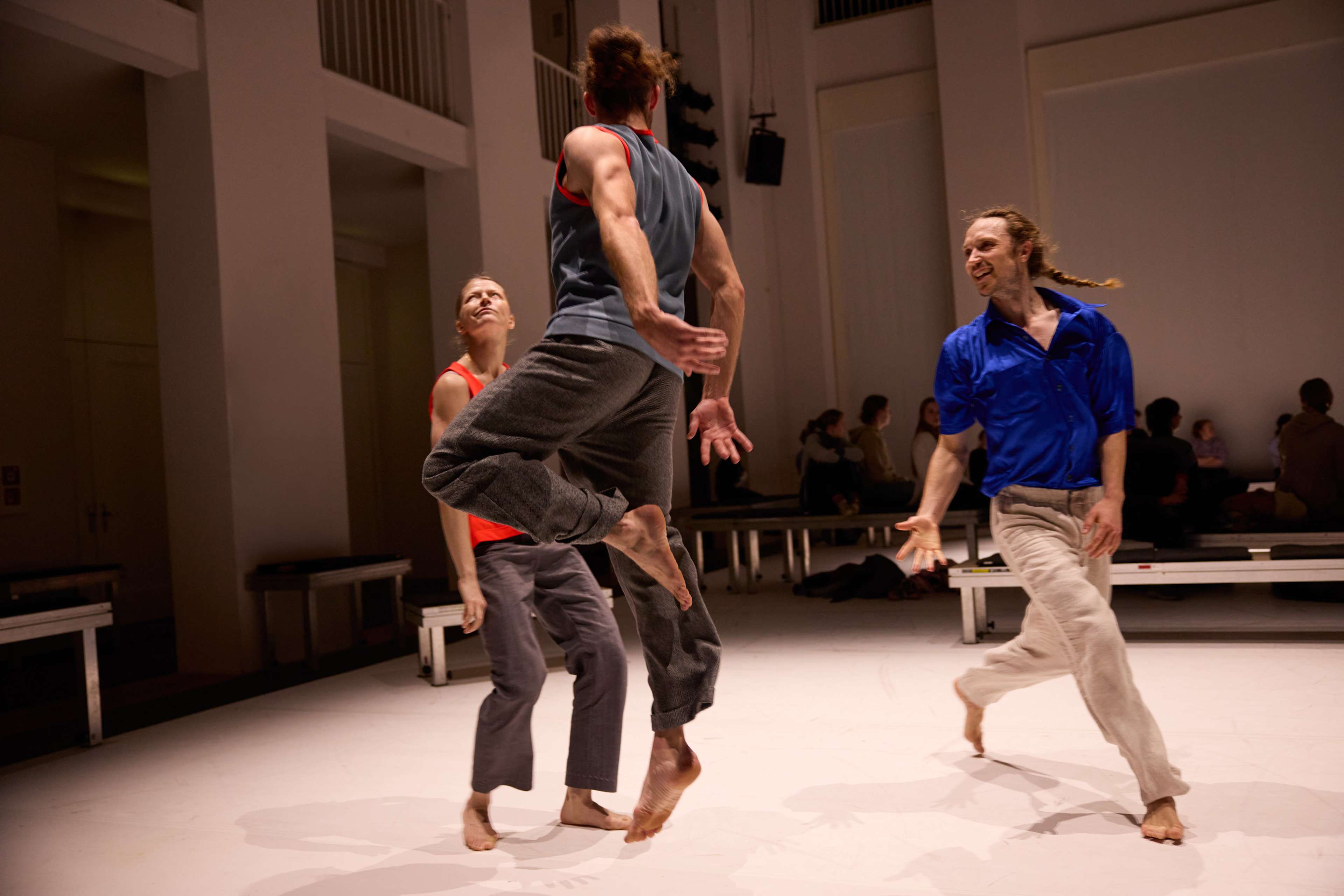
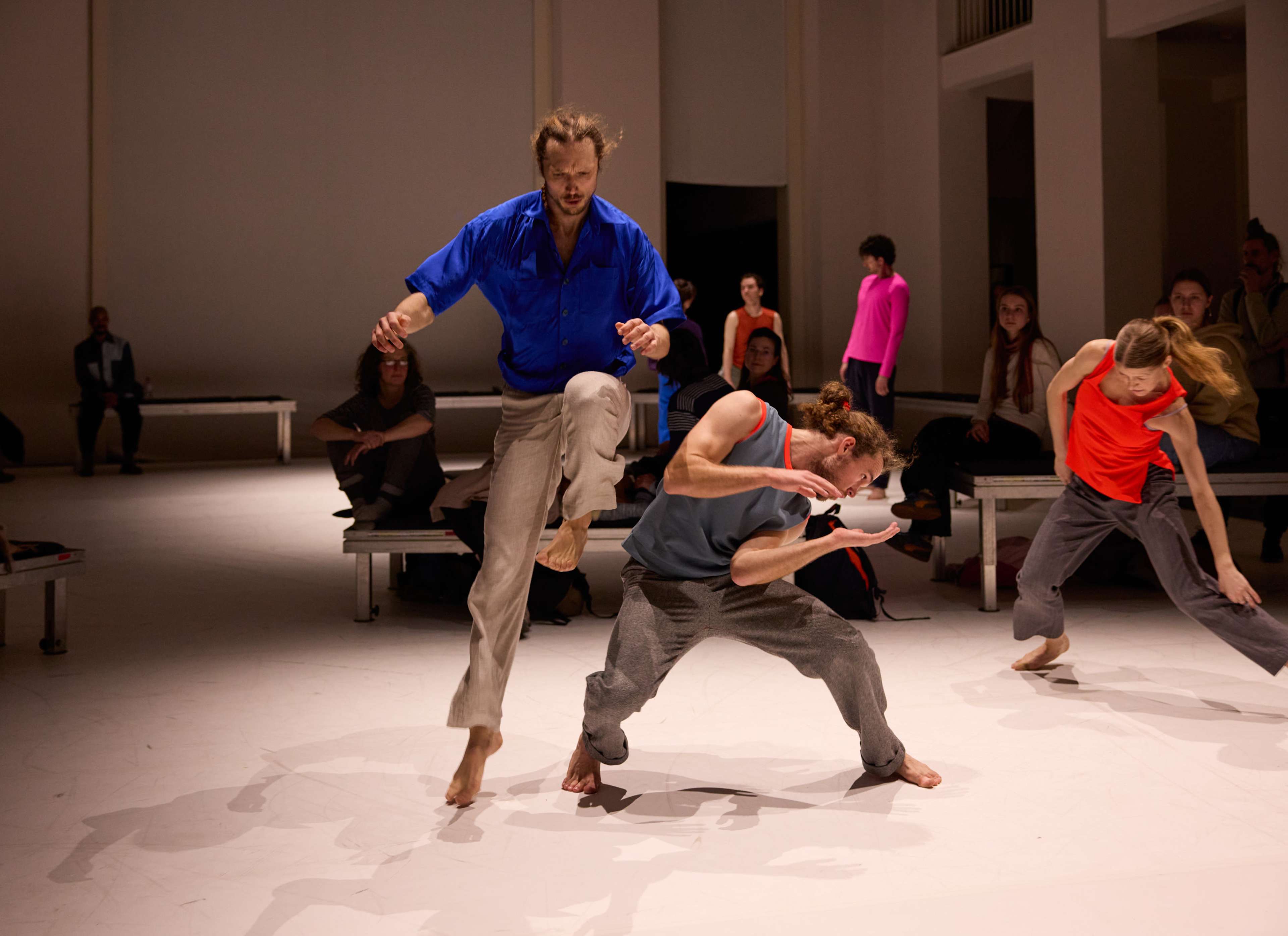
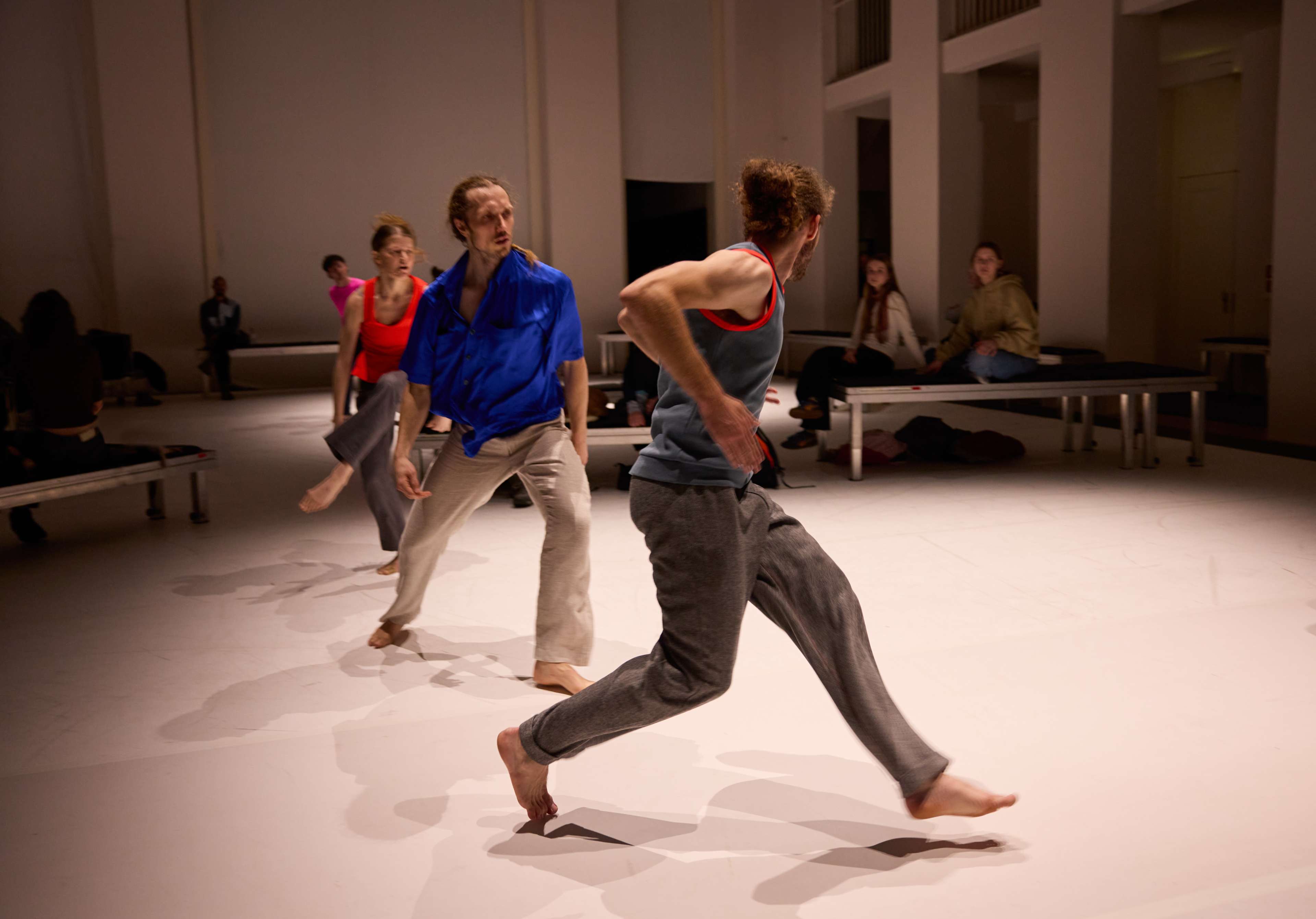
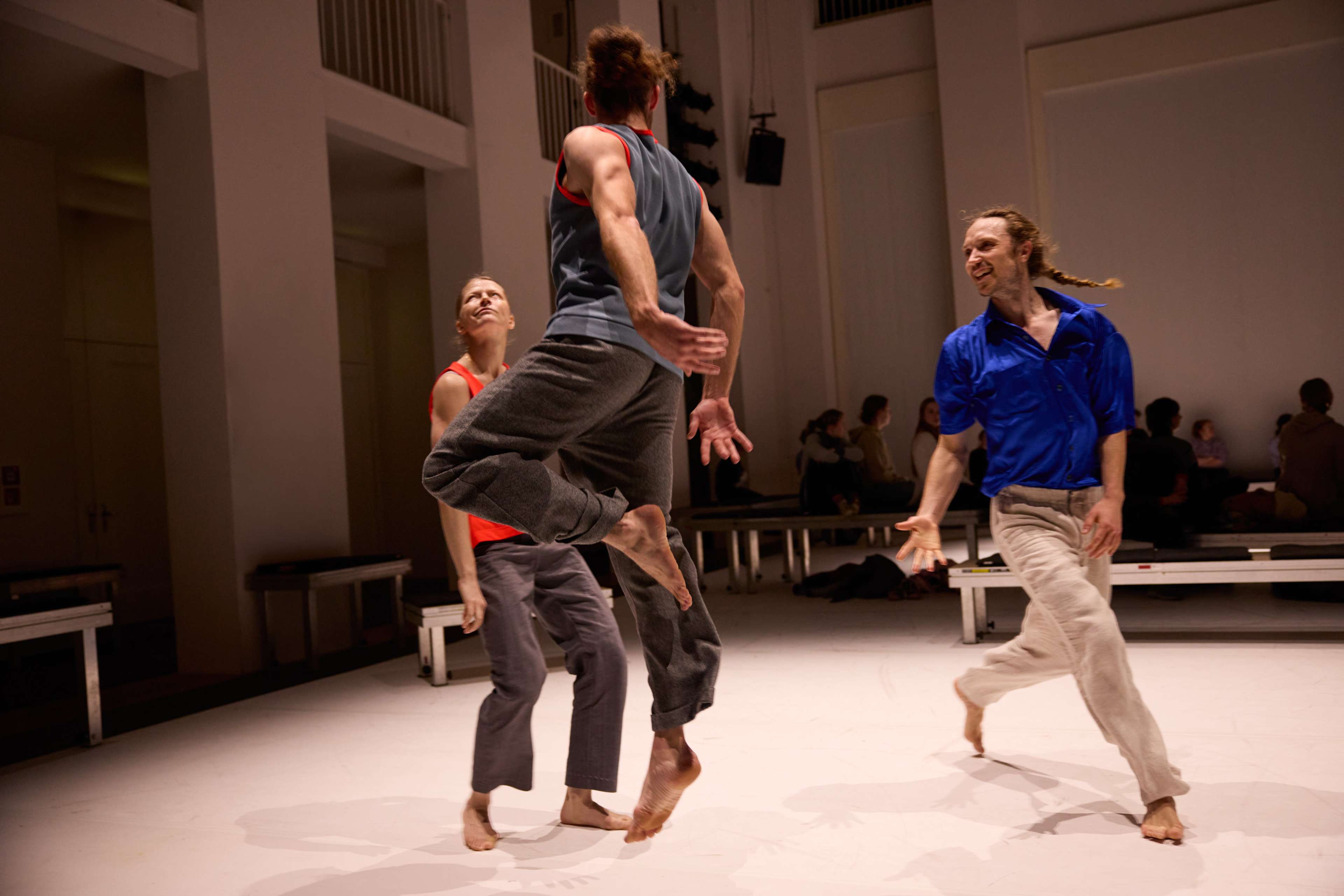
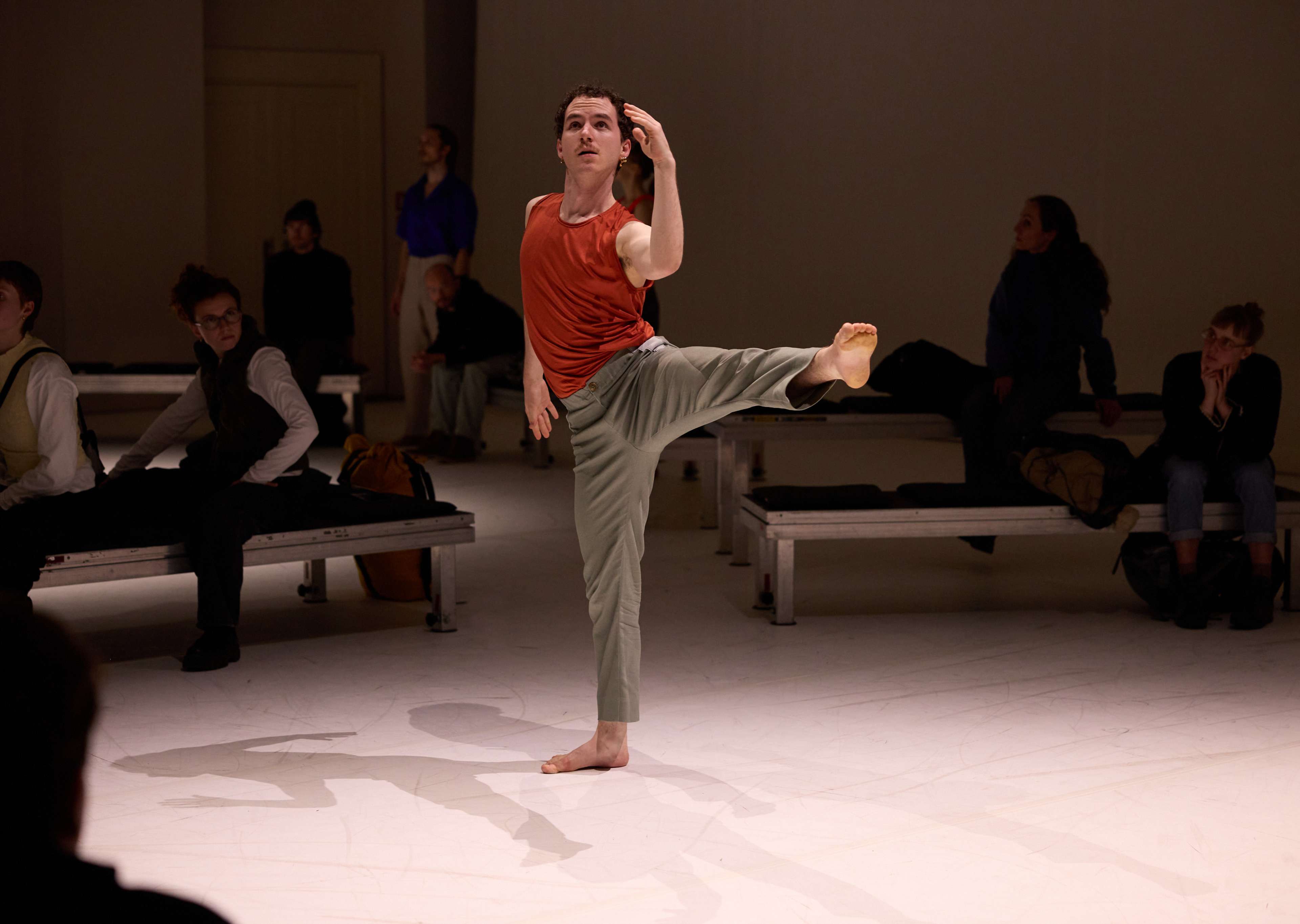
The movement vocabulary of classical ballet follows clear principles. Everything seems to serve the purpose of overcoming gravity. The bodies appear light, their mass suspended in pirouettes and jumps. Everything is oriented upwards; downward movements occur almost exclusively to gain momentum for going up. What happens when these principles are reversed? With a small cast, Ioannis Mandafounis explores typical ballet movements. They are deconstructed, turned upside down, interrupted, and transformed. Movement sequences from classical repertoire are juxtaposed with completely transformed new versions. A ludicrous game that nevertheless takes its historical source material seriously, despite all the humour. The team is joined by guest dancer Jón Vallejo, Principal dancer of the Semperoper Ballett.
Press reviews
“What physical mastery: Jón Vallejo performs jumps and pirouettes unlike anything usually seen at the Bockenheimer Depot.” – Stefan Benz, Darmstädter Echo
“No more focusing on the center of the body, away with the vertical impulse upward. Mandafounis spells out the method before applying it parodically to music ranging from Tchaikovsky to Grieg, using the example of classical choreographies from Marius Petipa to Michel Fokine.” – Stefan Benz, Darmstädter Echo
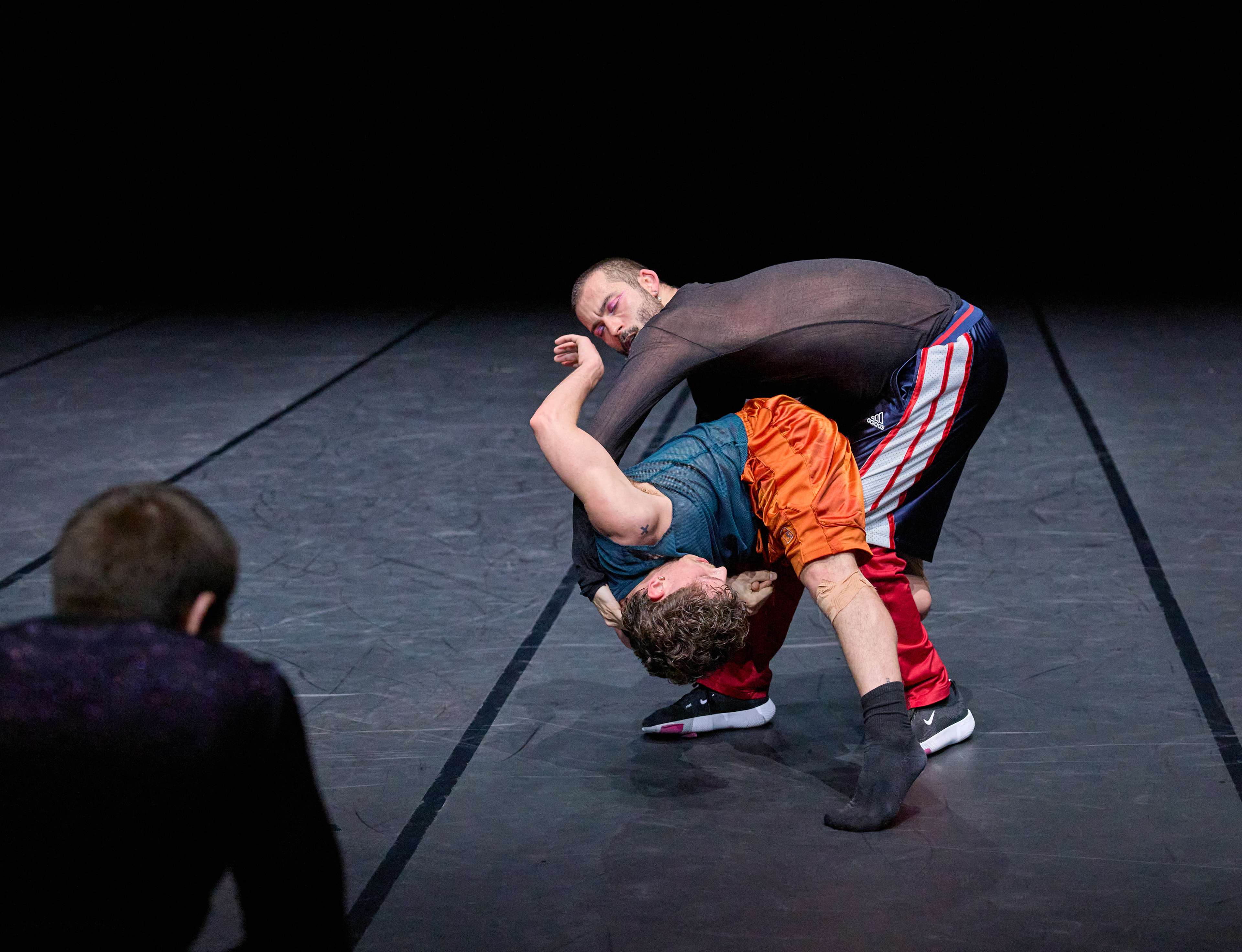
“A pas de deux—though I really shouldn’t call it that, because the two seemed so uncoordinated, so awkward, and yet very professional. The larger of the two expressed himself elegantly with graceful, classical dance movements, while the second, much smaller dancer, kept getting tangled up with the larger one. All of this set to the classical music of Tchaikovsky’s Sleeping Beauty. Here, classical ballet technique met dance improvisation. At times very funny, and I imagine very exhausting for the two dancers. In any case, for me, that was the highlight of the evening. A moment arose that was sensual and grotesque at the same time.” – Jan Tussing, hr2 Frühkritik
“Instead of mockingly trashing classical ballet, it is honored here through the juxtaposition, fusion, and blending of elegance and wild energy. Old gestures are explained in a sort of guessing game—“I,” “not,” “you,” “love”—with excerpts from five ballets, from Petipa (“Sleeping Beauty,” 1890) to MacMillan (“Manon,” 1974), danced to recorded orchestral music. All four men can execute the lines, arabesques, jumps, and pirouettes. Vallejo, in turn, can also sway, undulate, and whirl. But he remains the king when he stops time in dance.” – Melanie Suchy, FAZ Rhein-Main
Seen Unseen
- Choreography
- Rosalind Crisp
- Dance
- Sophie Borney
- Thomas Bradley
- Lander Casier
- Audrey Desmurs
- Nastia Ivanova
- Marina Kladi
- Yan Leiva
- Antonin Mélon
- Solène Schnüriger
- Ichiro Sugae
- Ashley Alexandra Wright
- Samuel Young-Wright
- Composition, Piano
- Frédéric Blondy
- Spatial Design
- Rosalind Crisp
- Costumes
- Dorothee Merg
- Dramaturgy
- Philipp Scholtysik
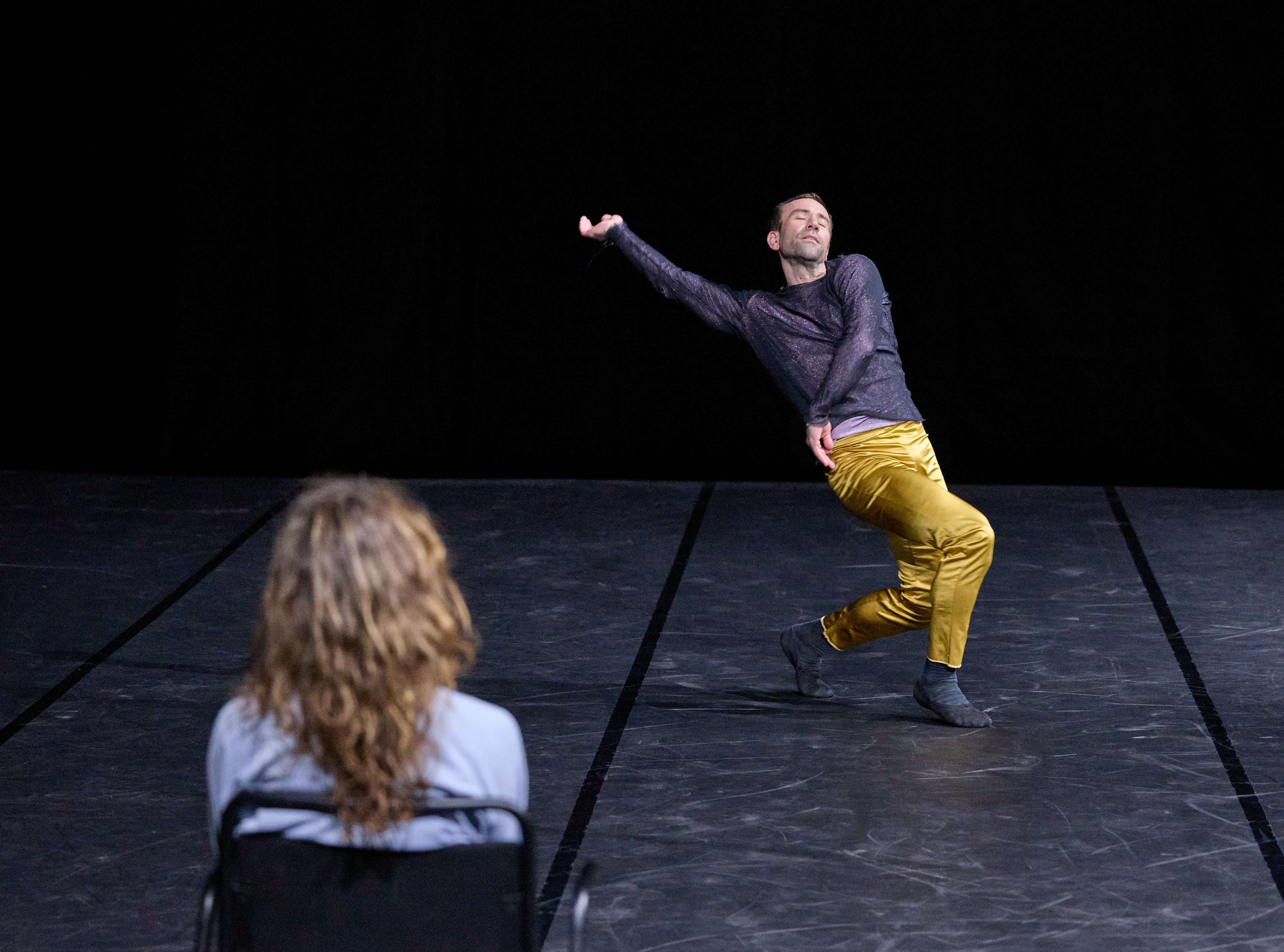
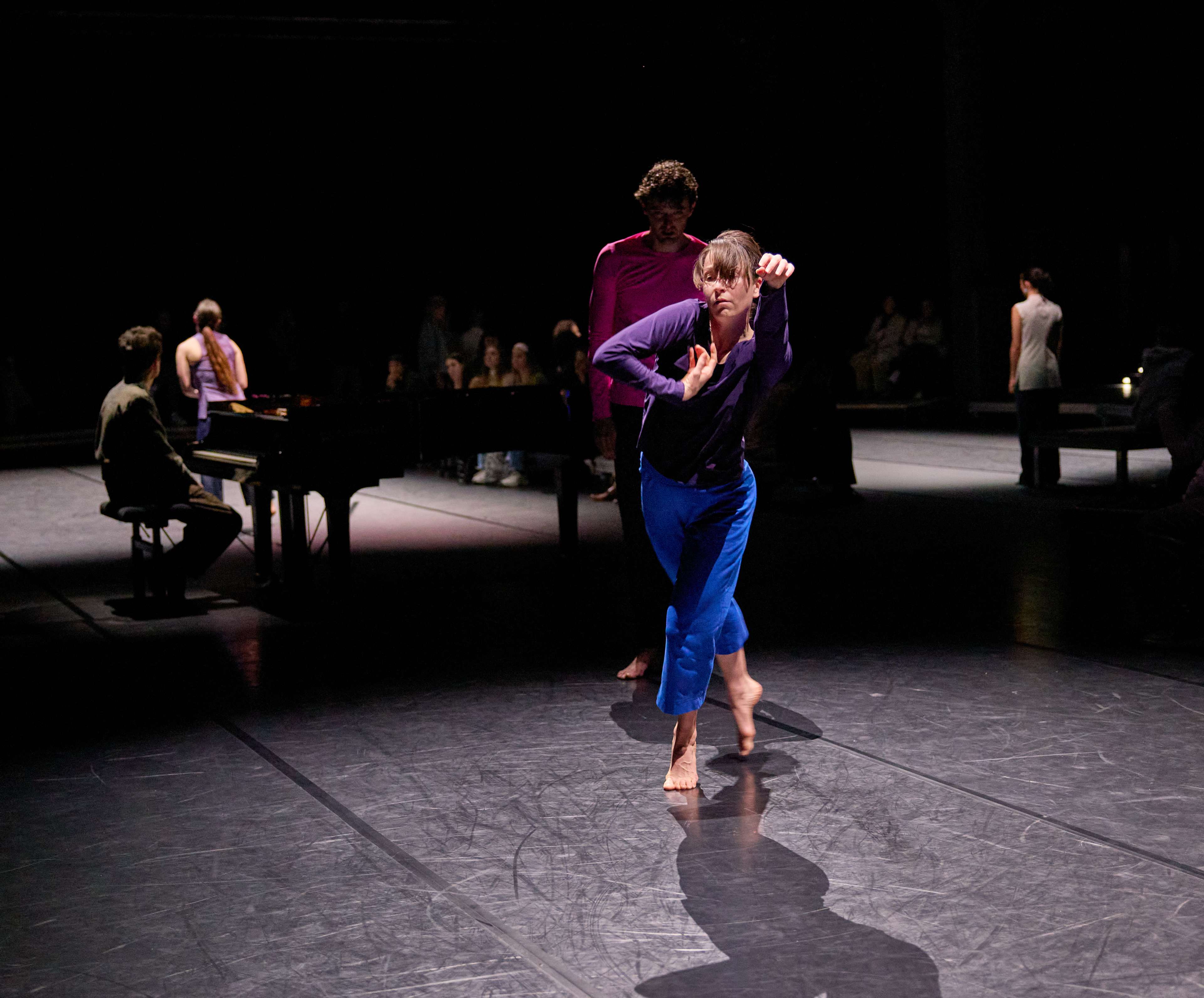
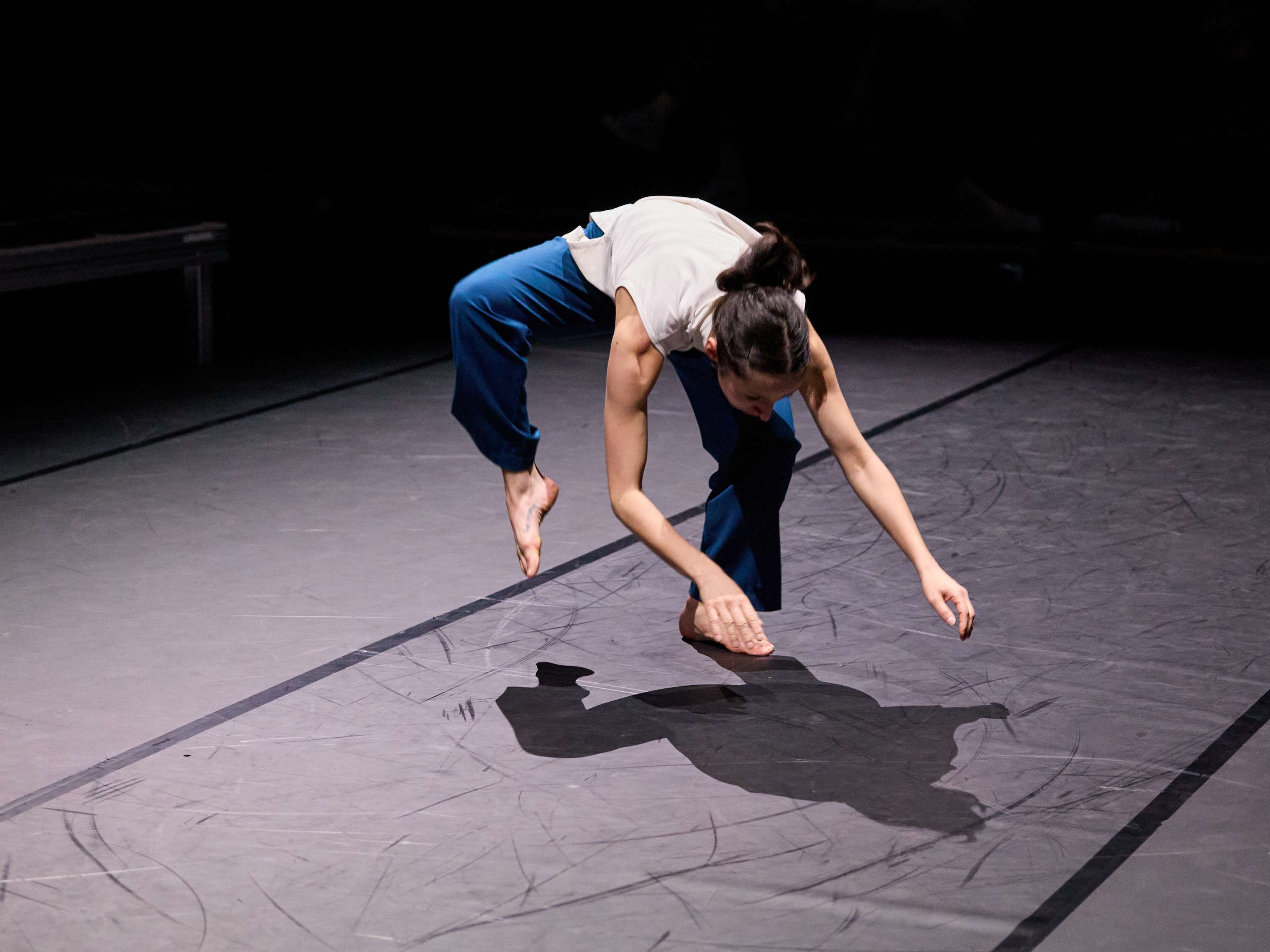
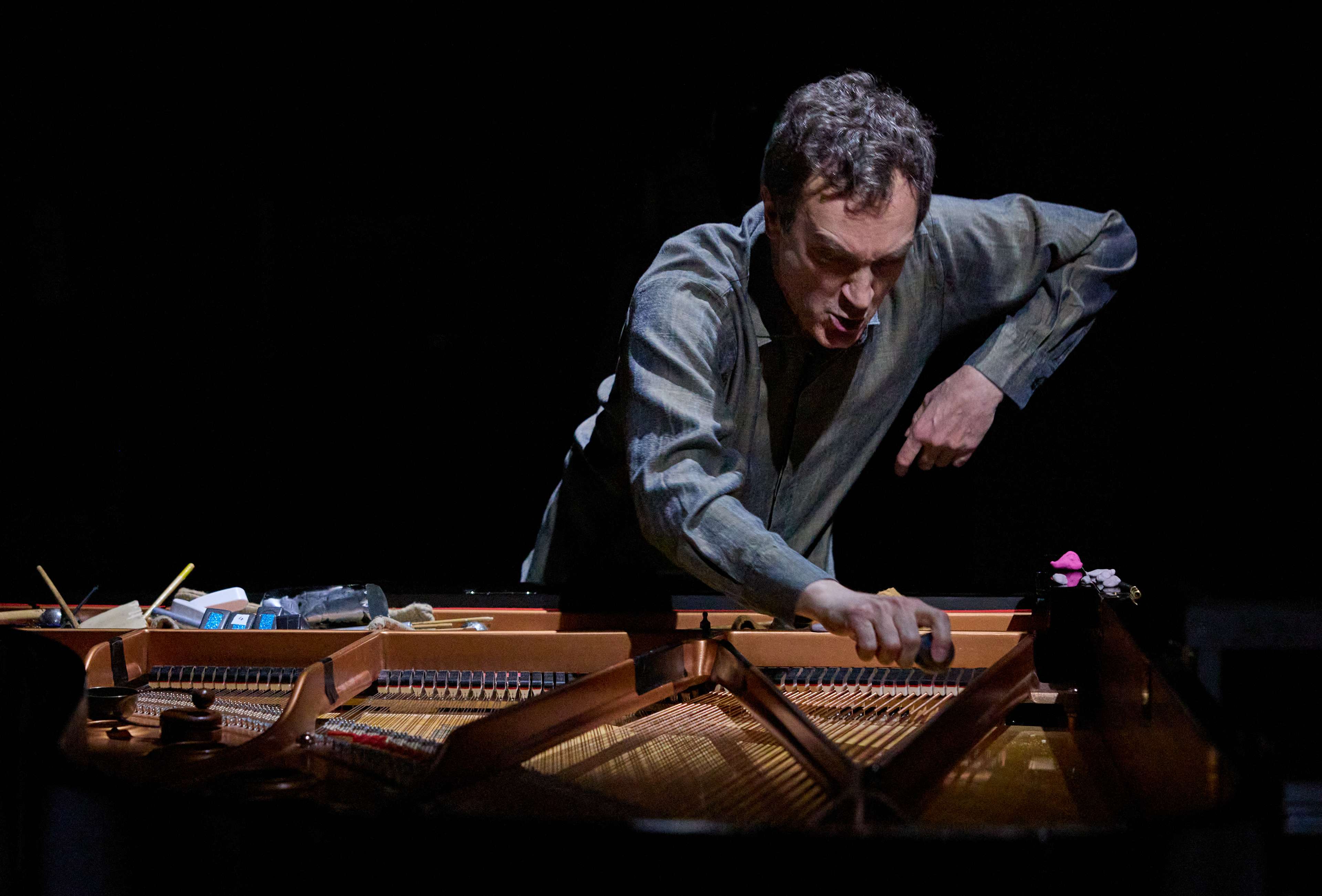
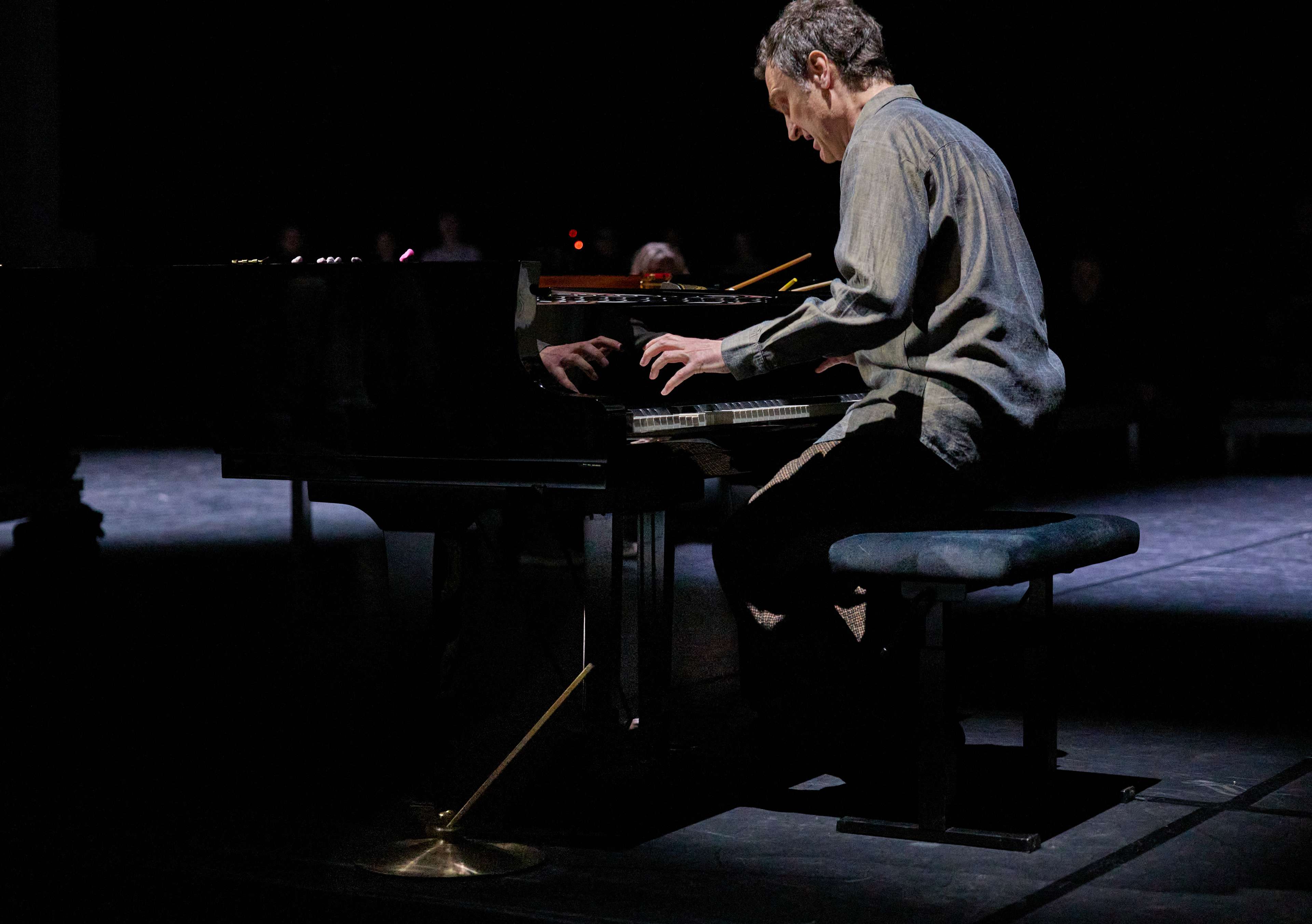
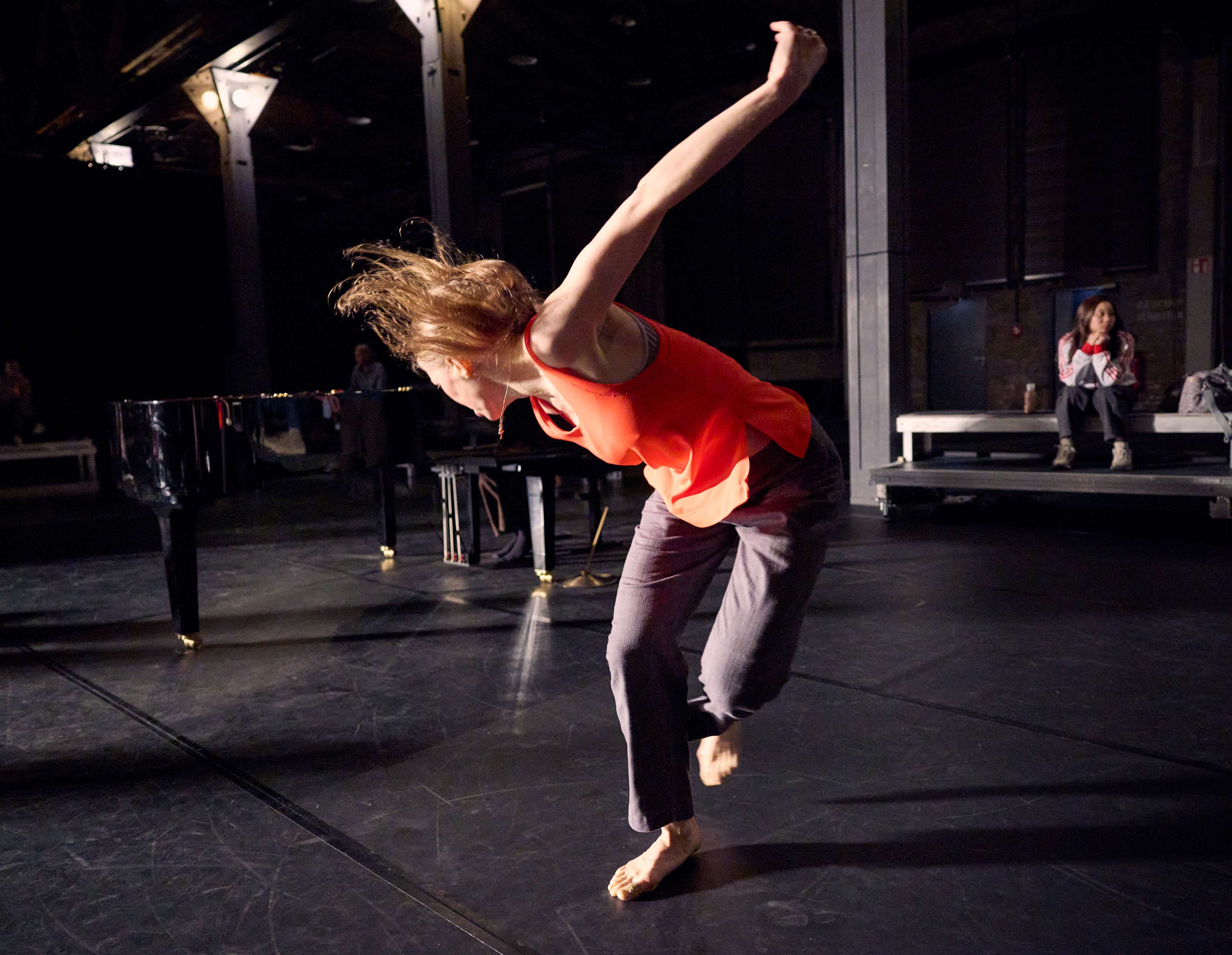
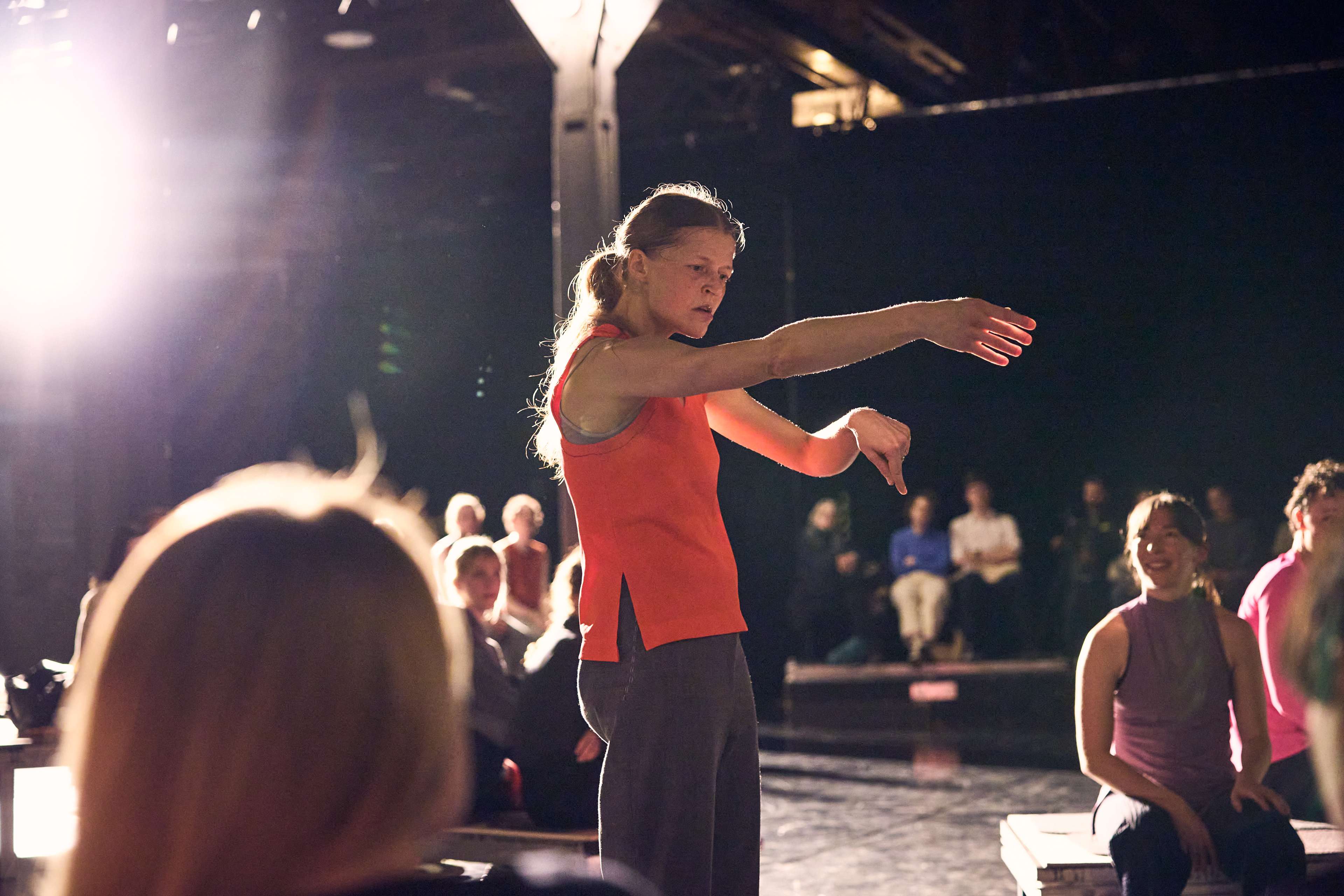
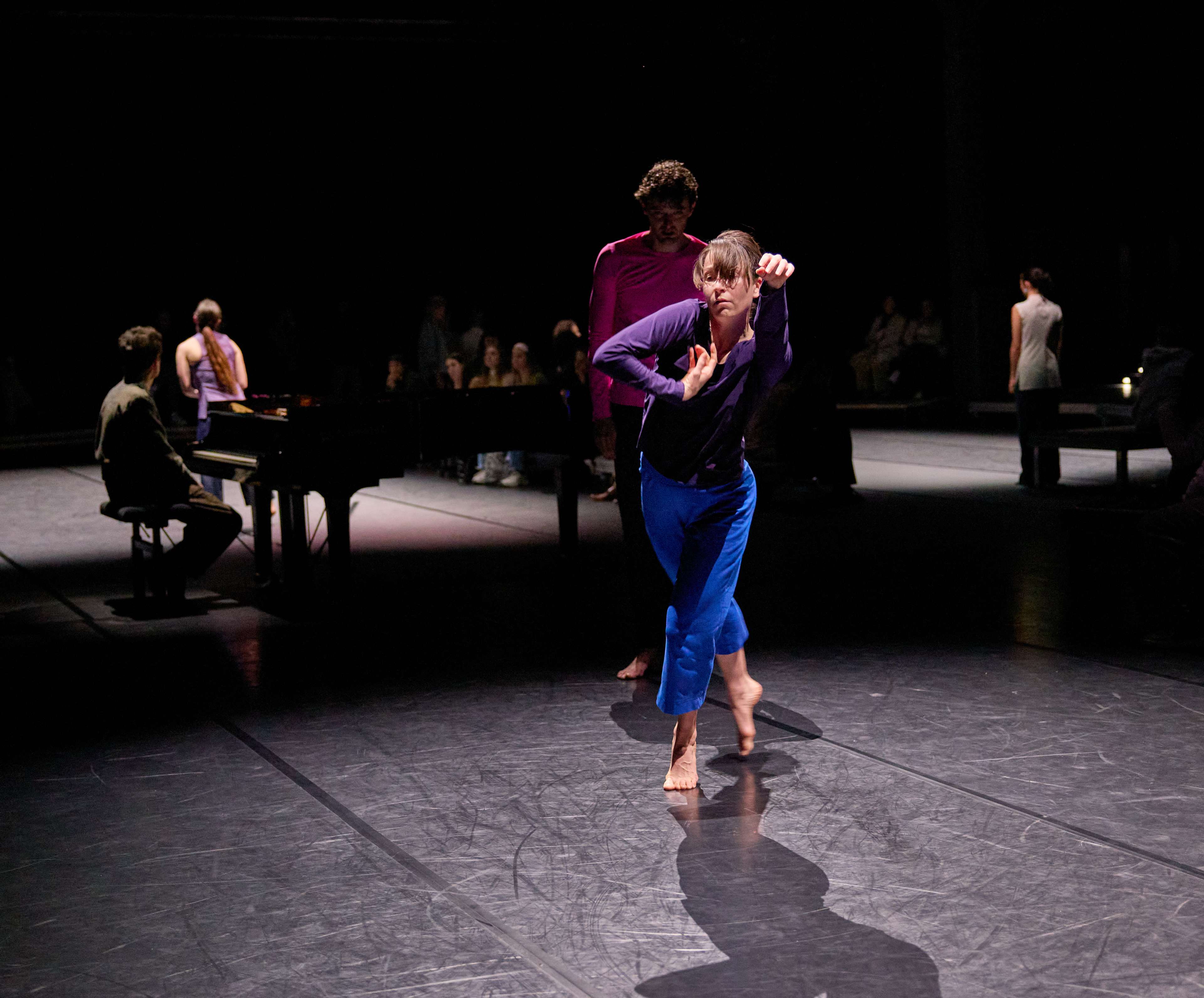
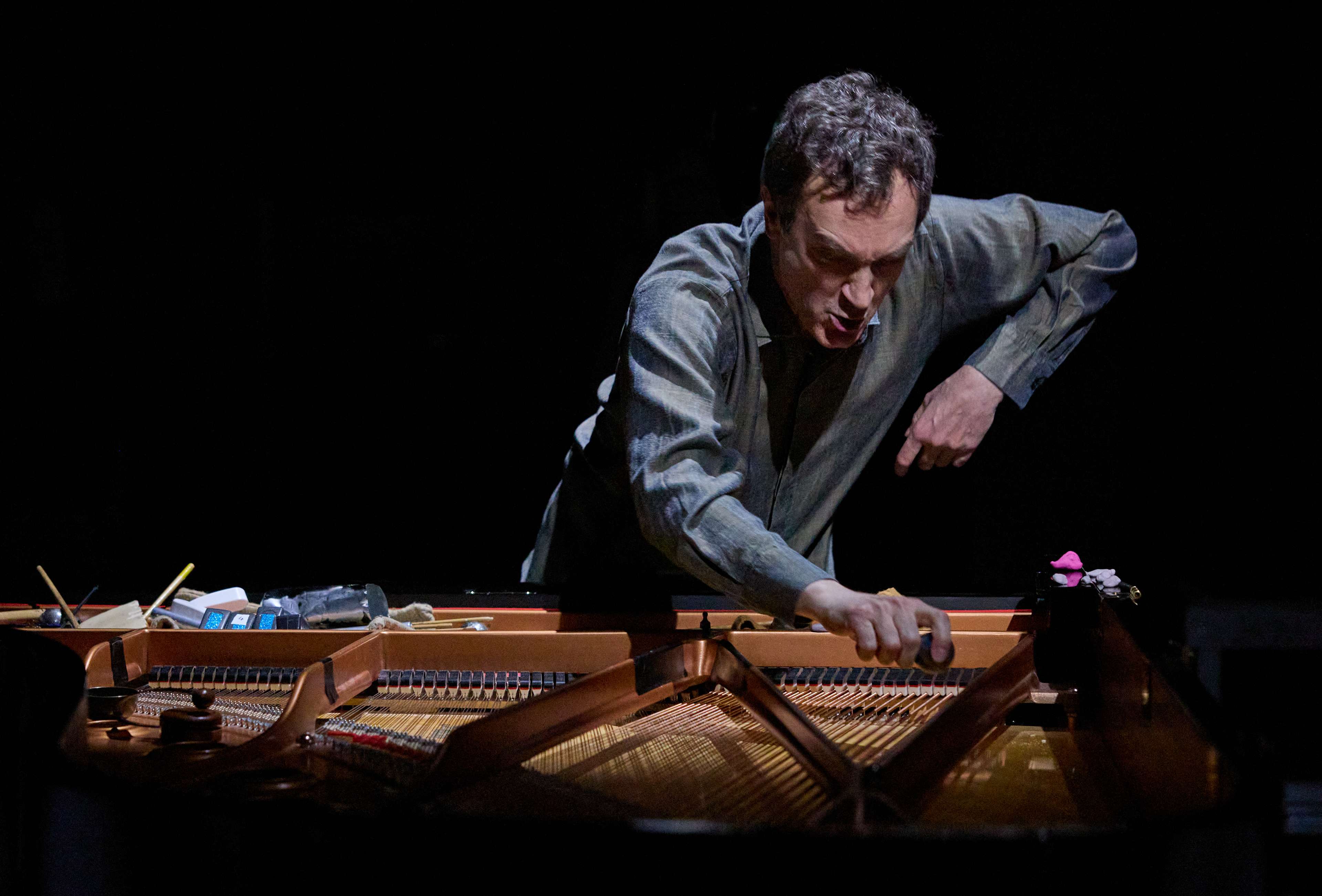
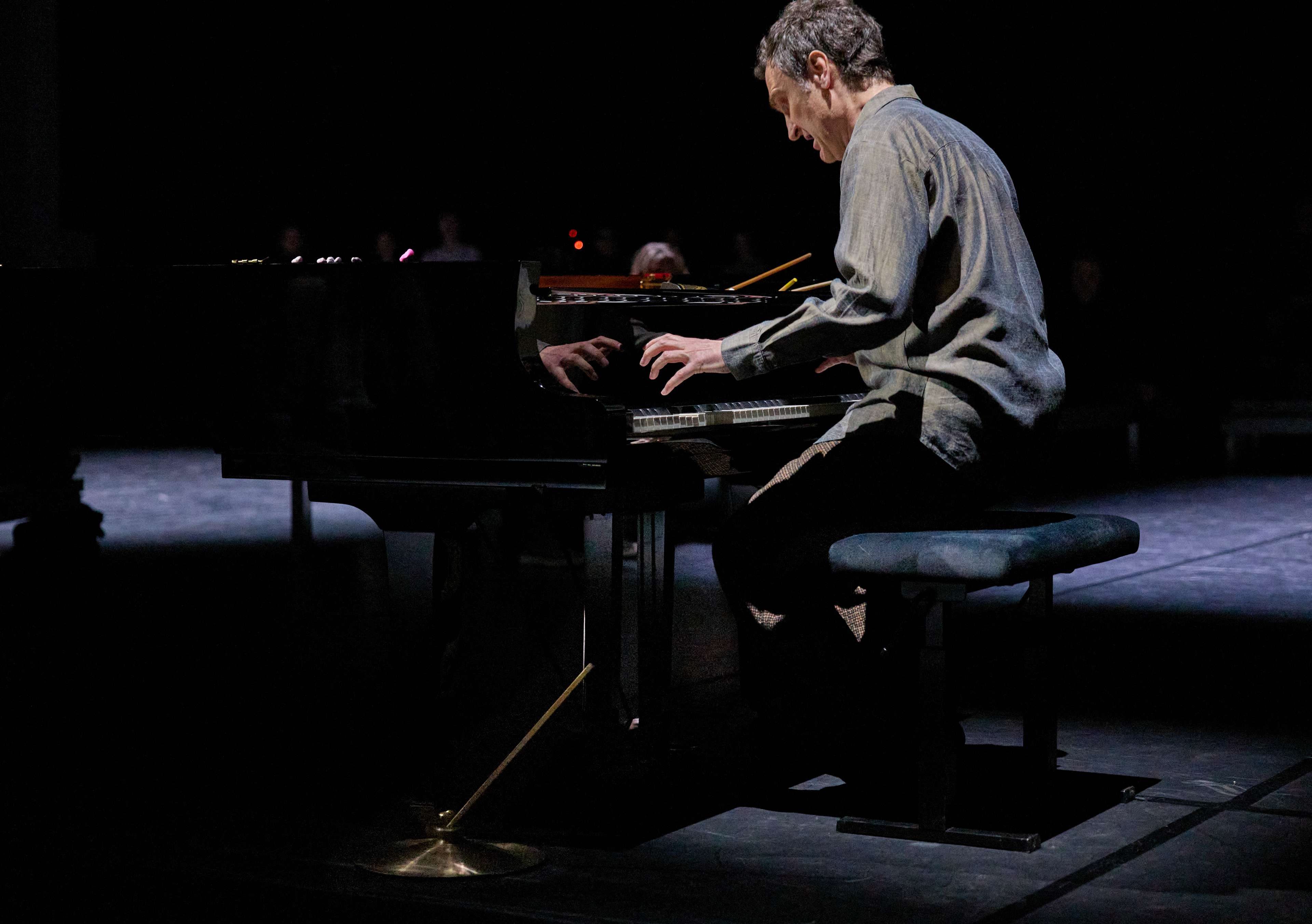
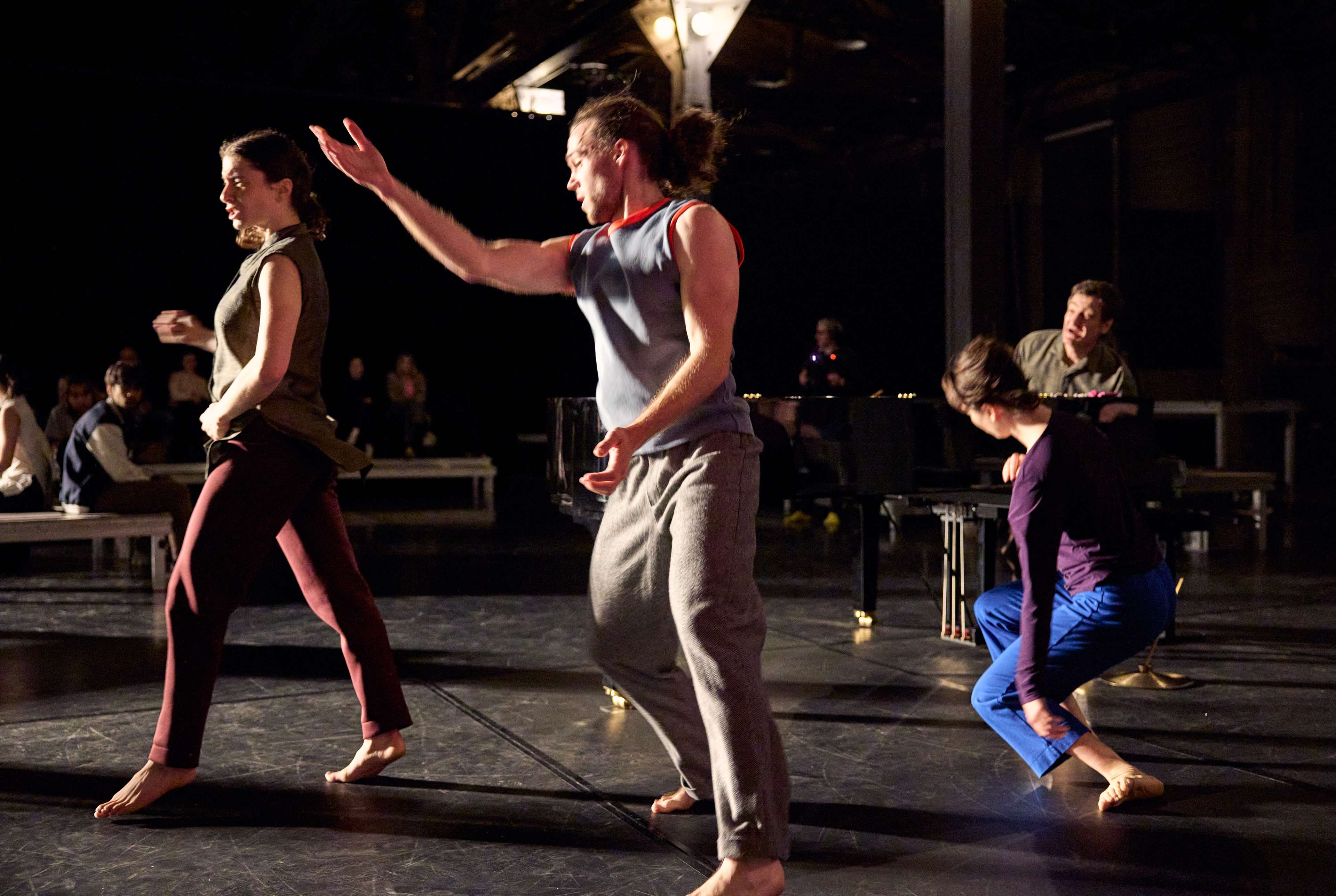
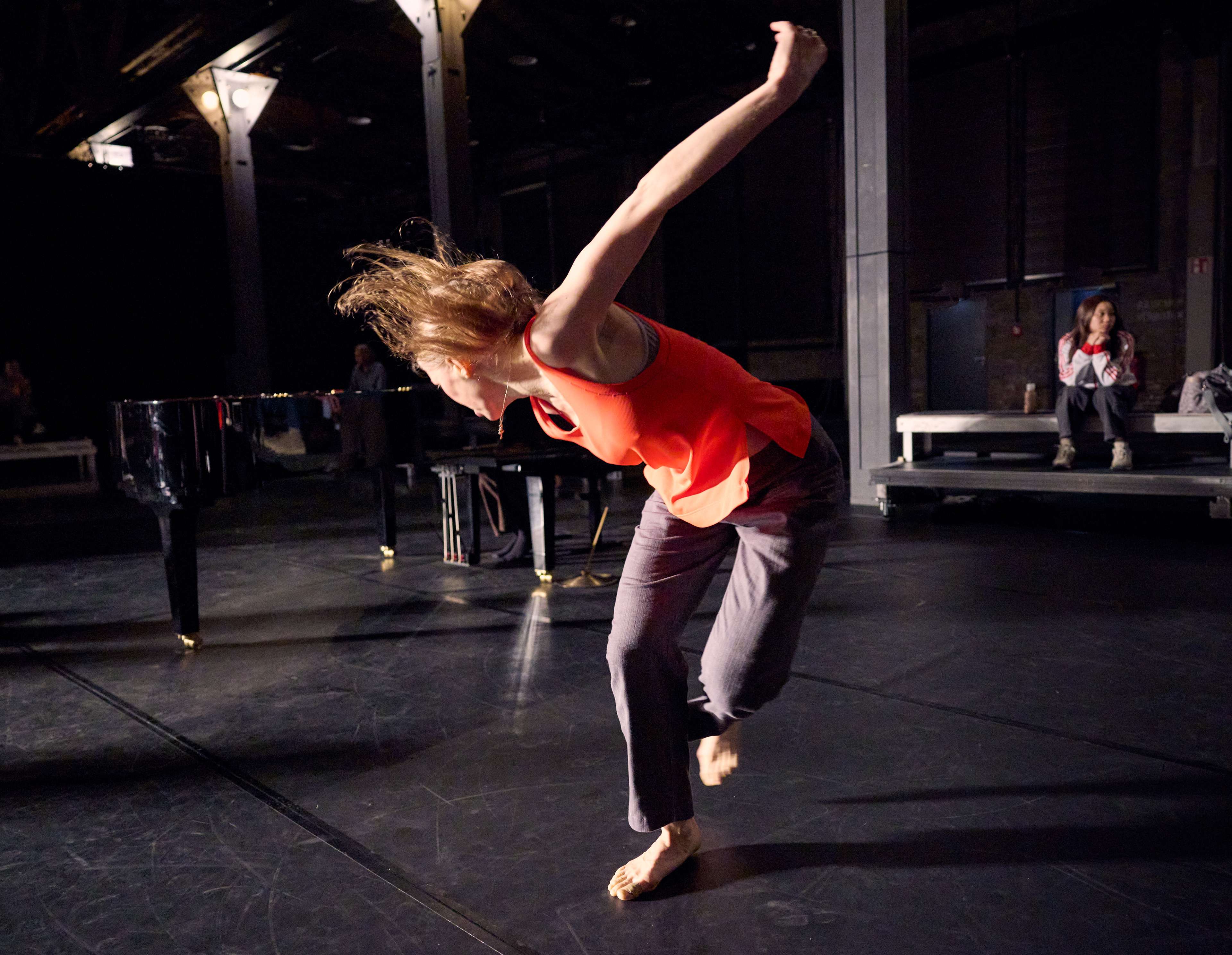
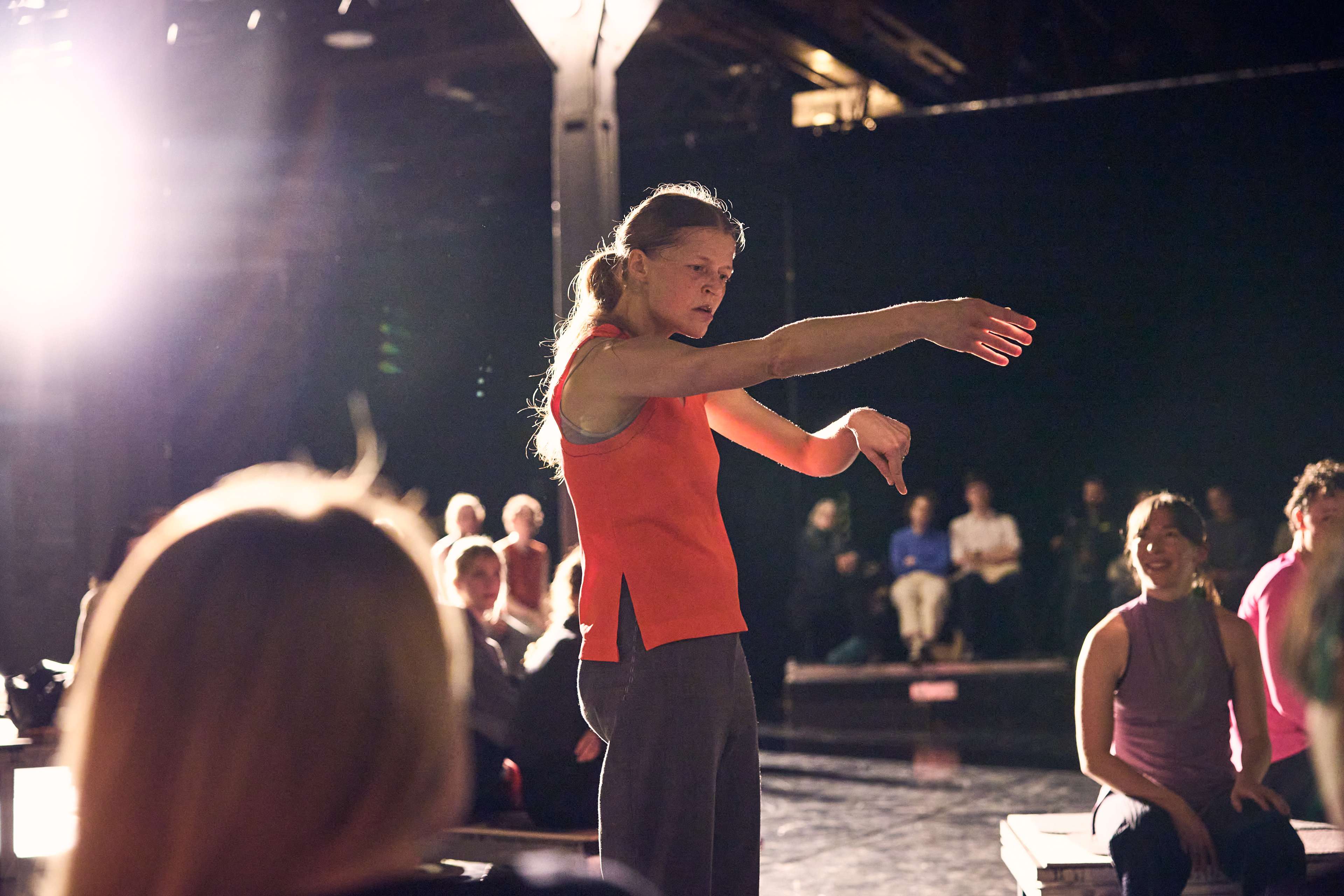
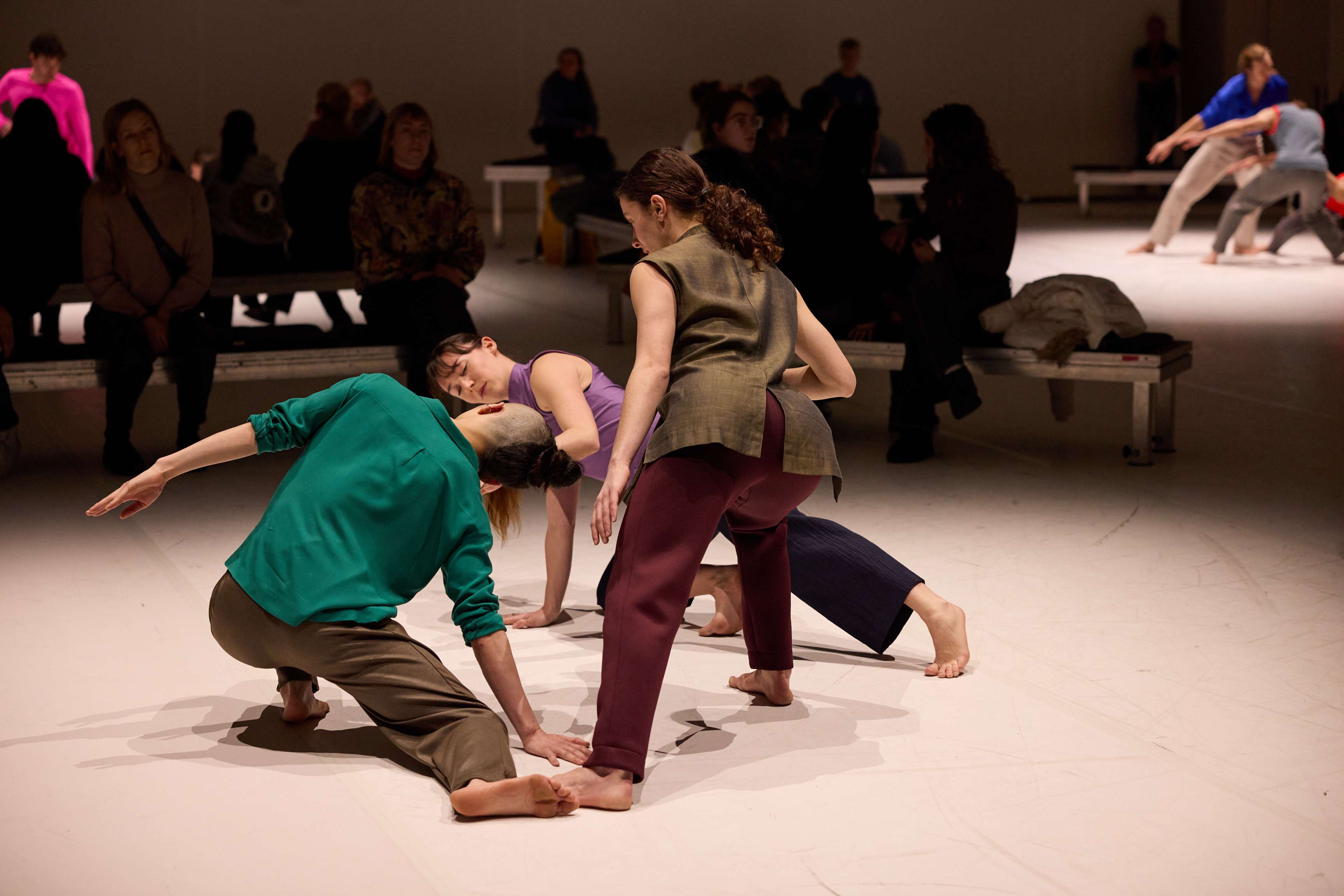
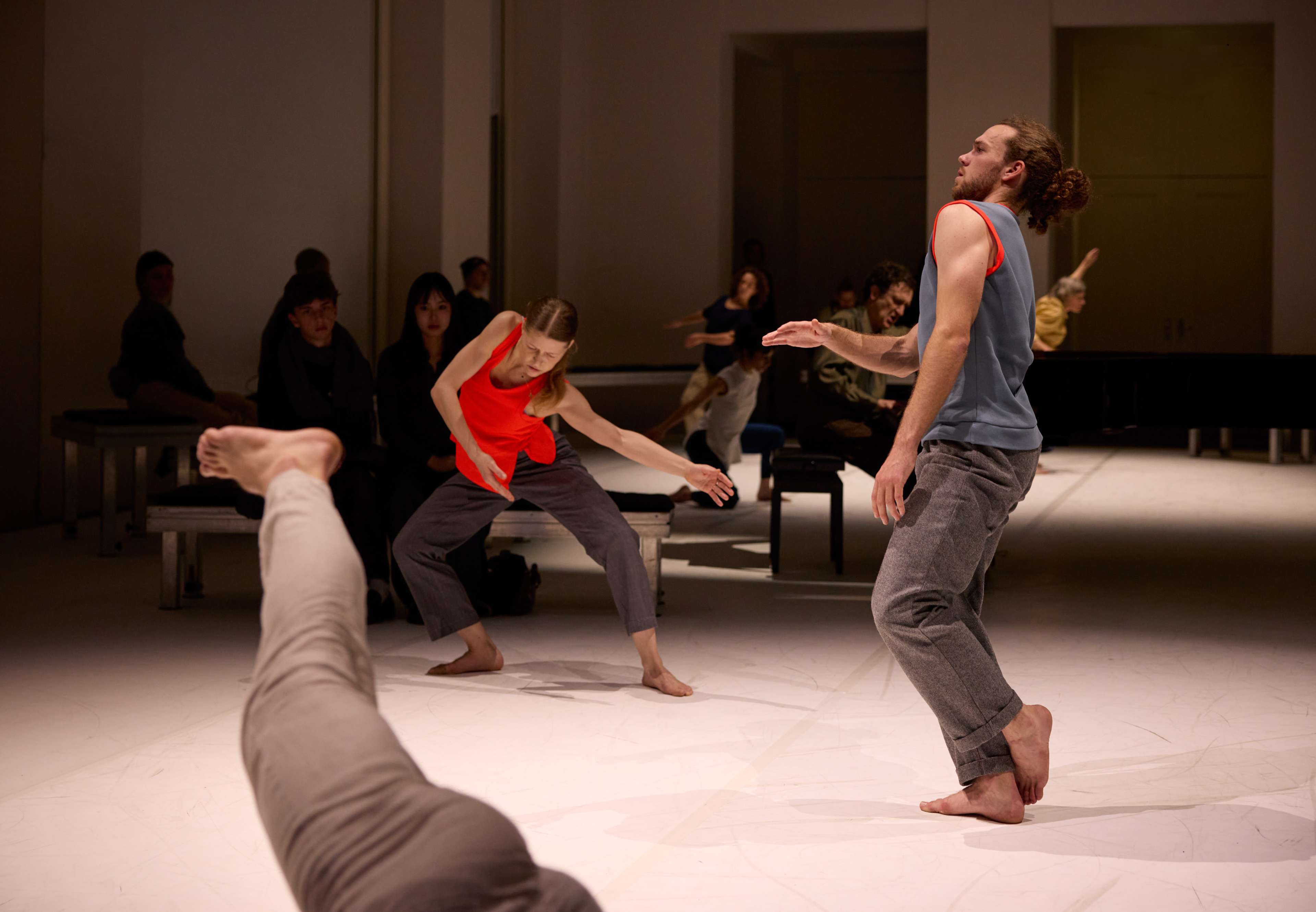
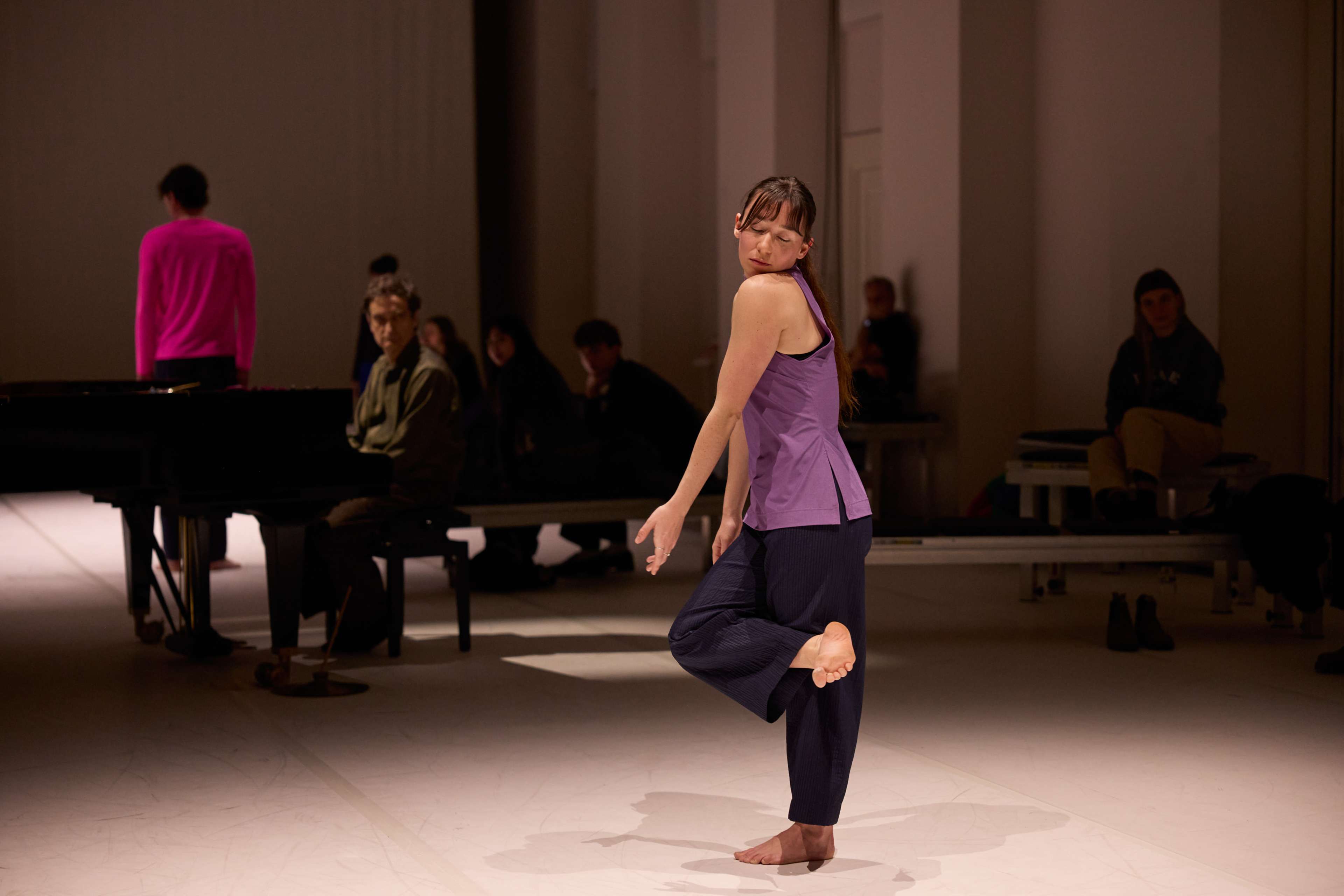
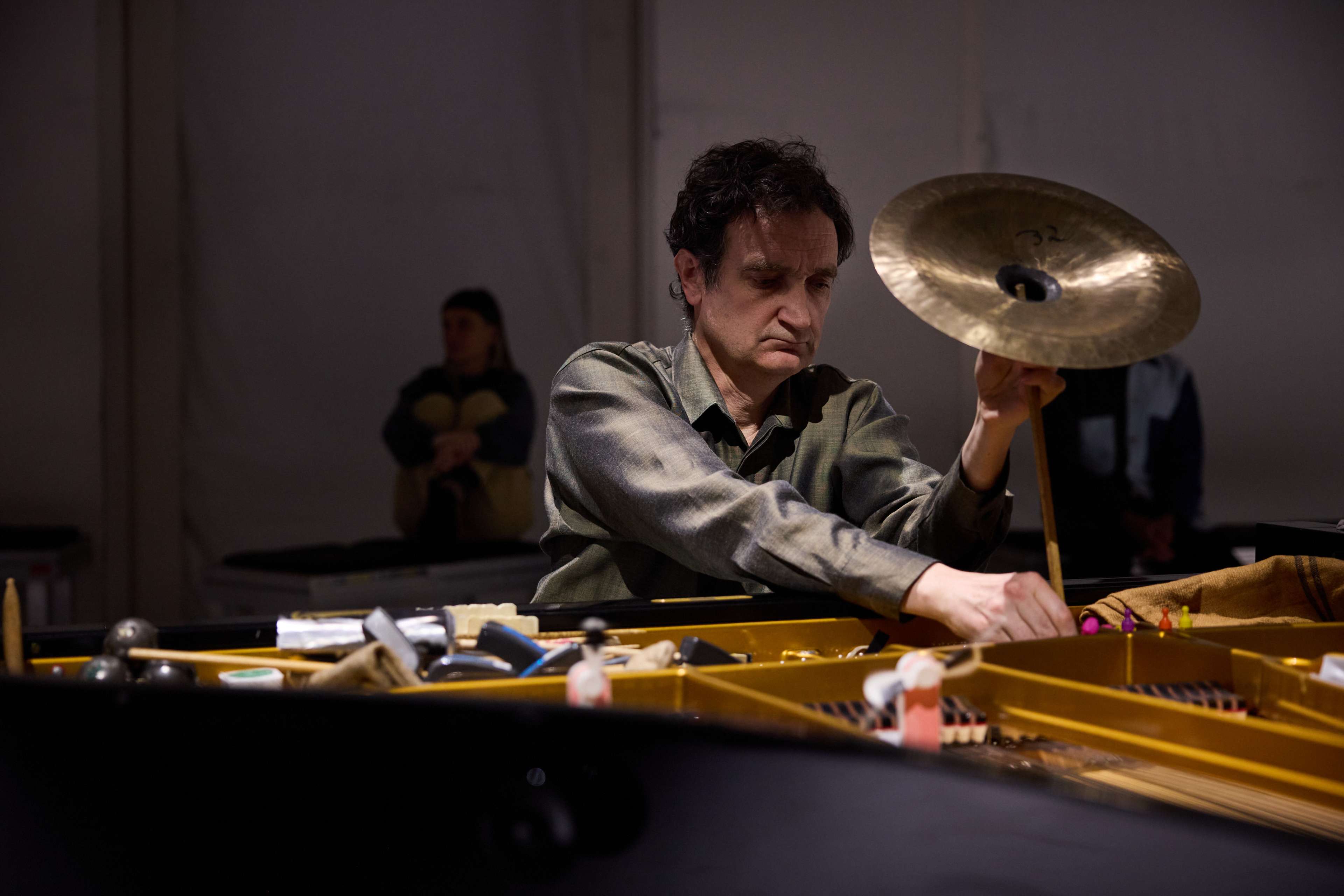
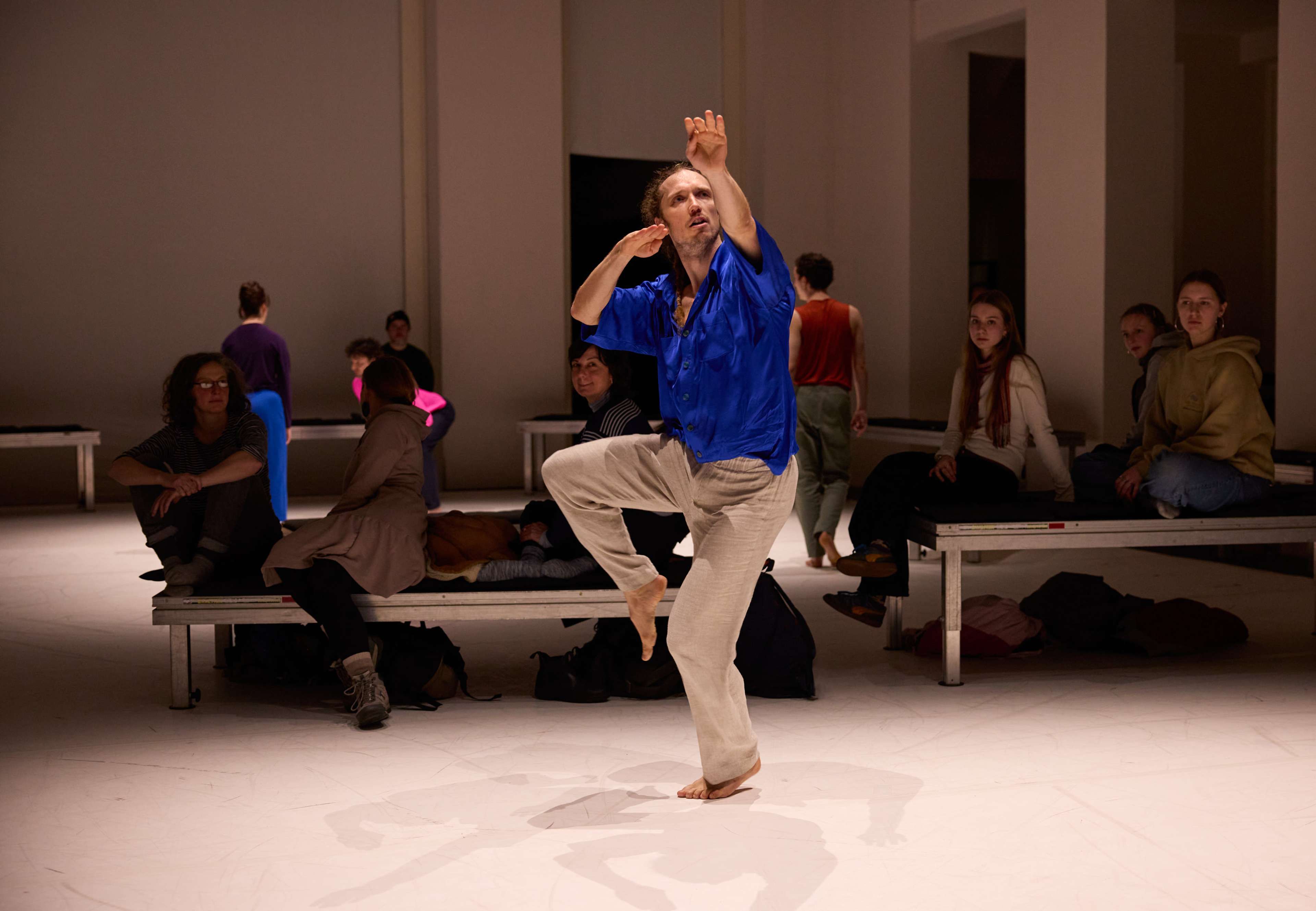
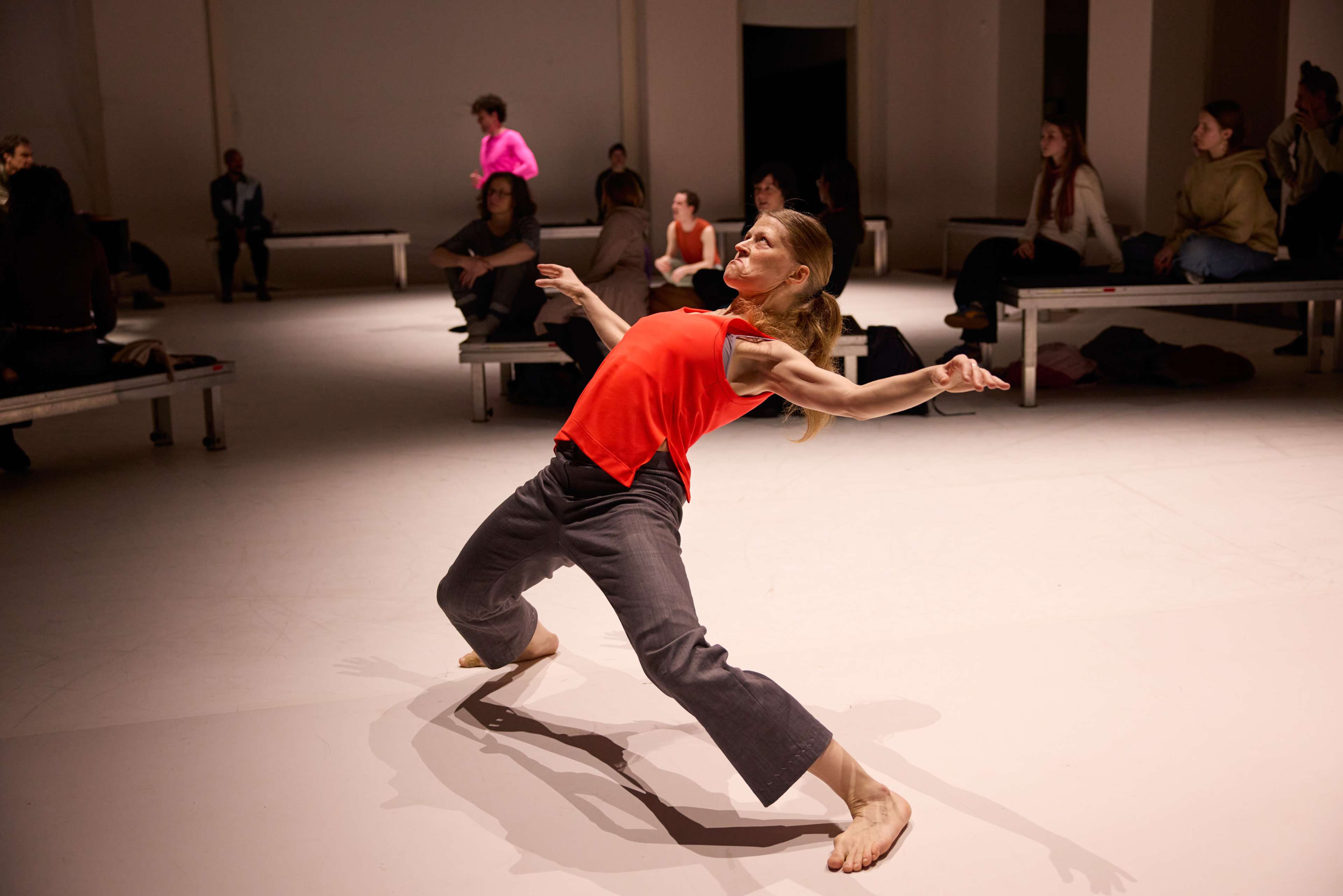
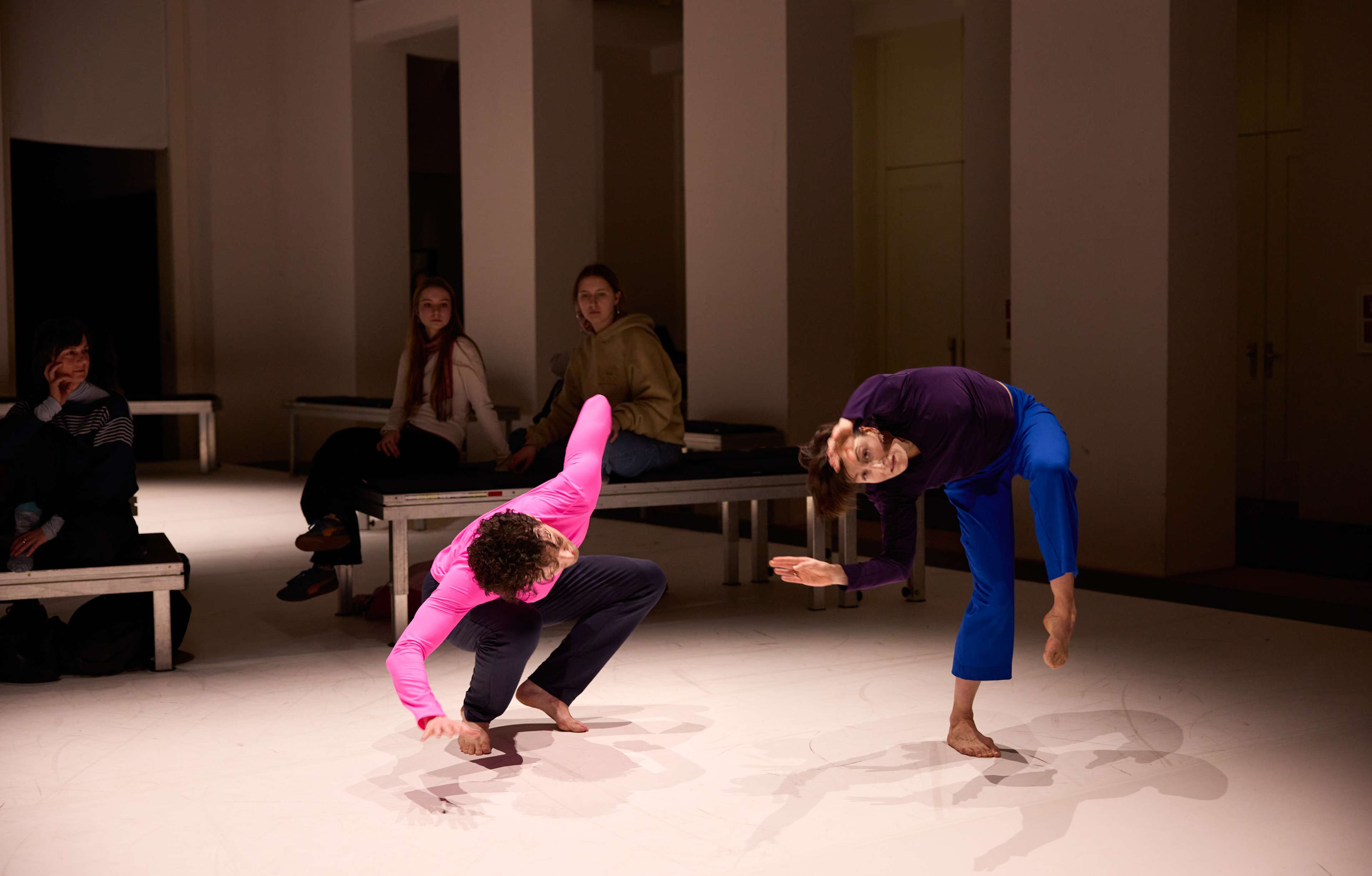
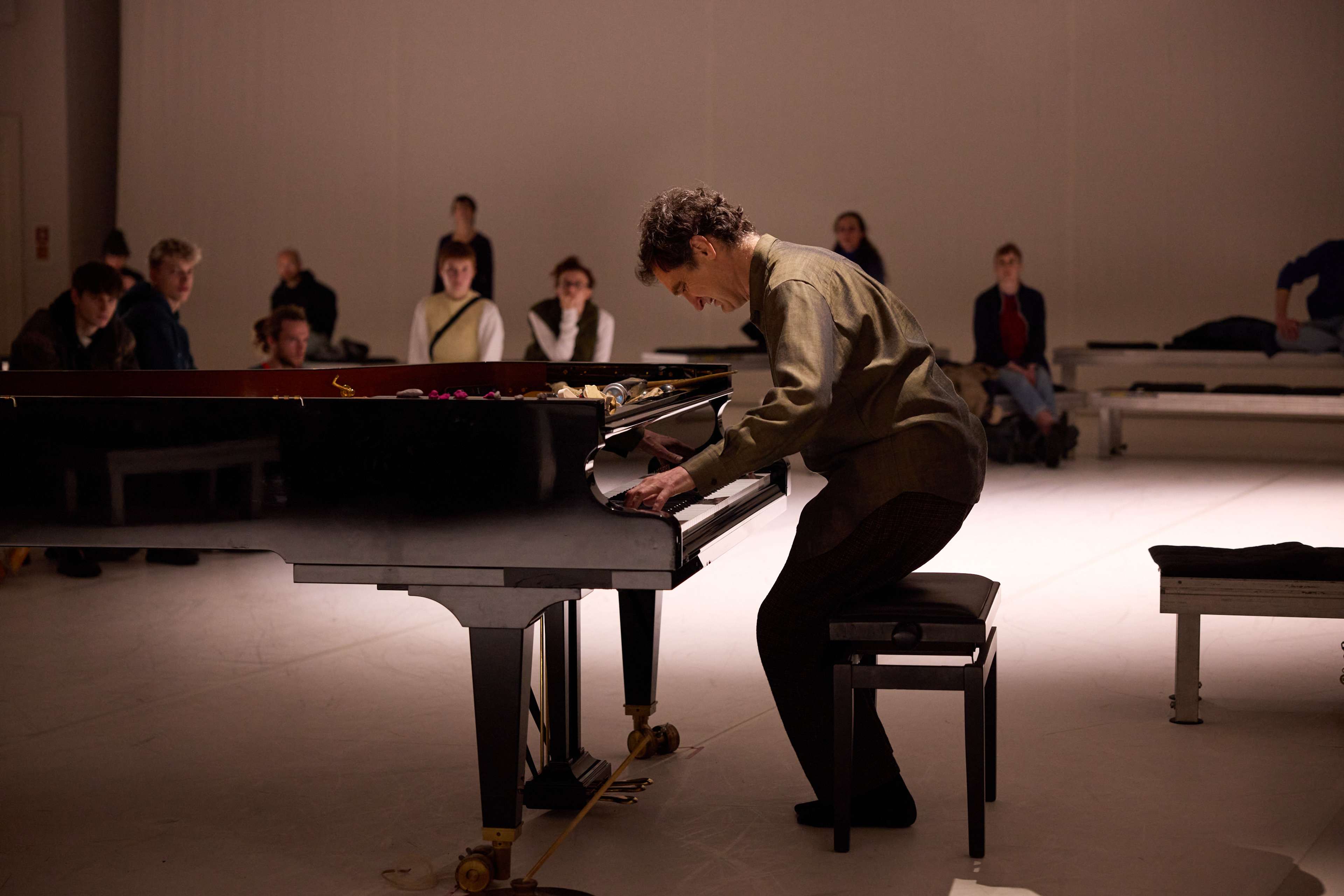
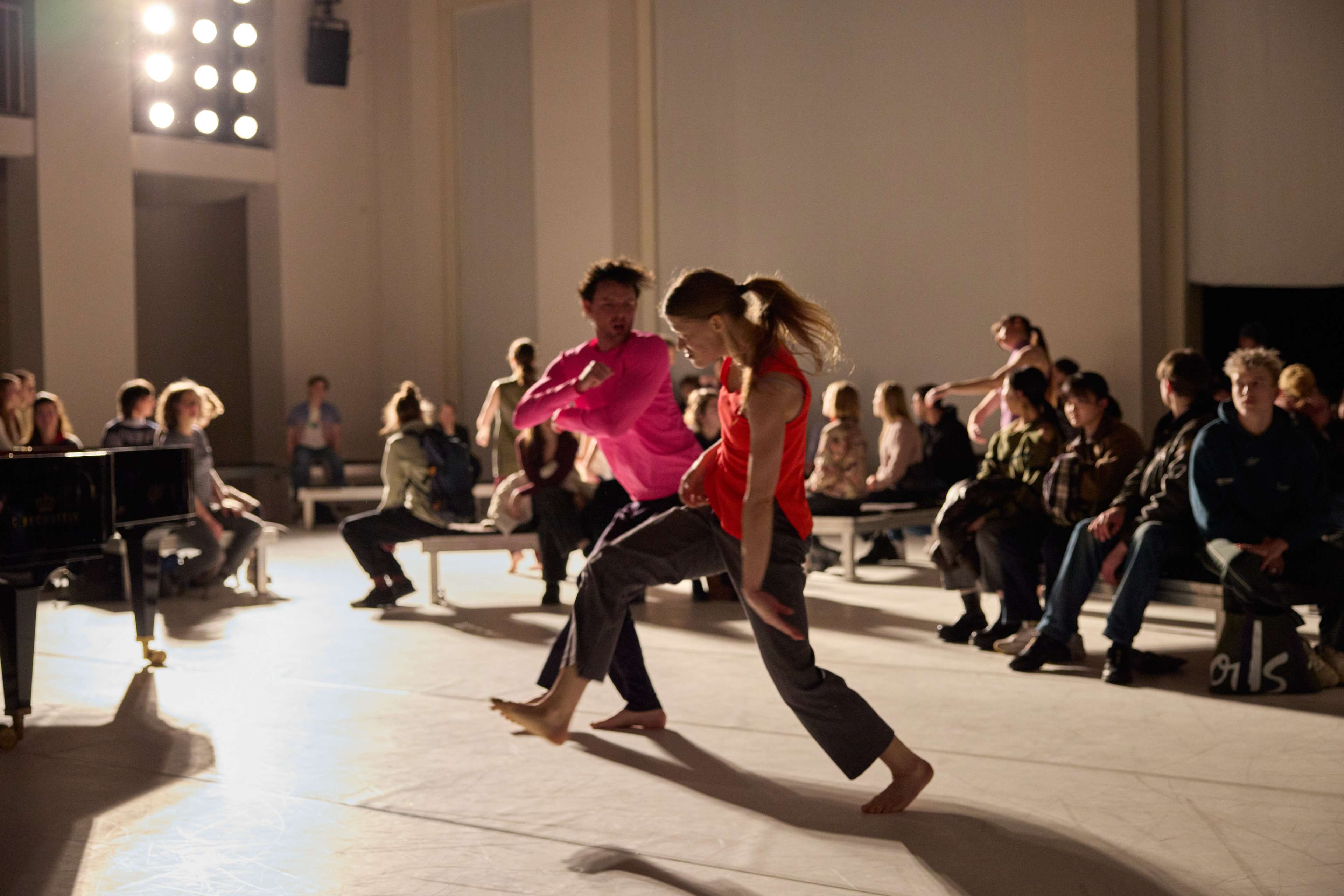
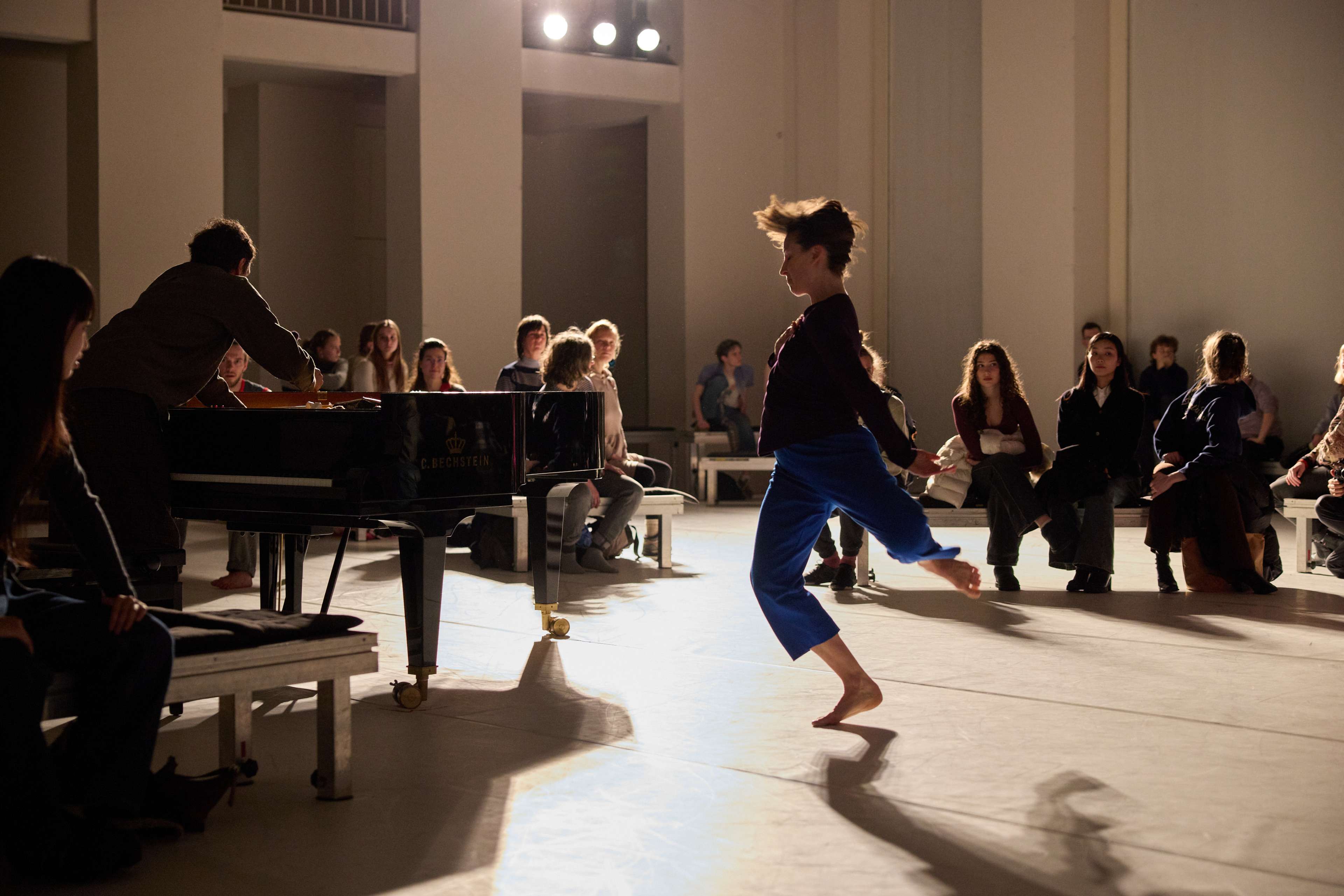
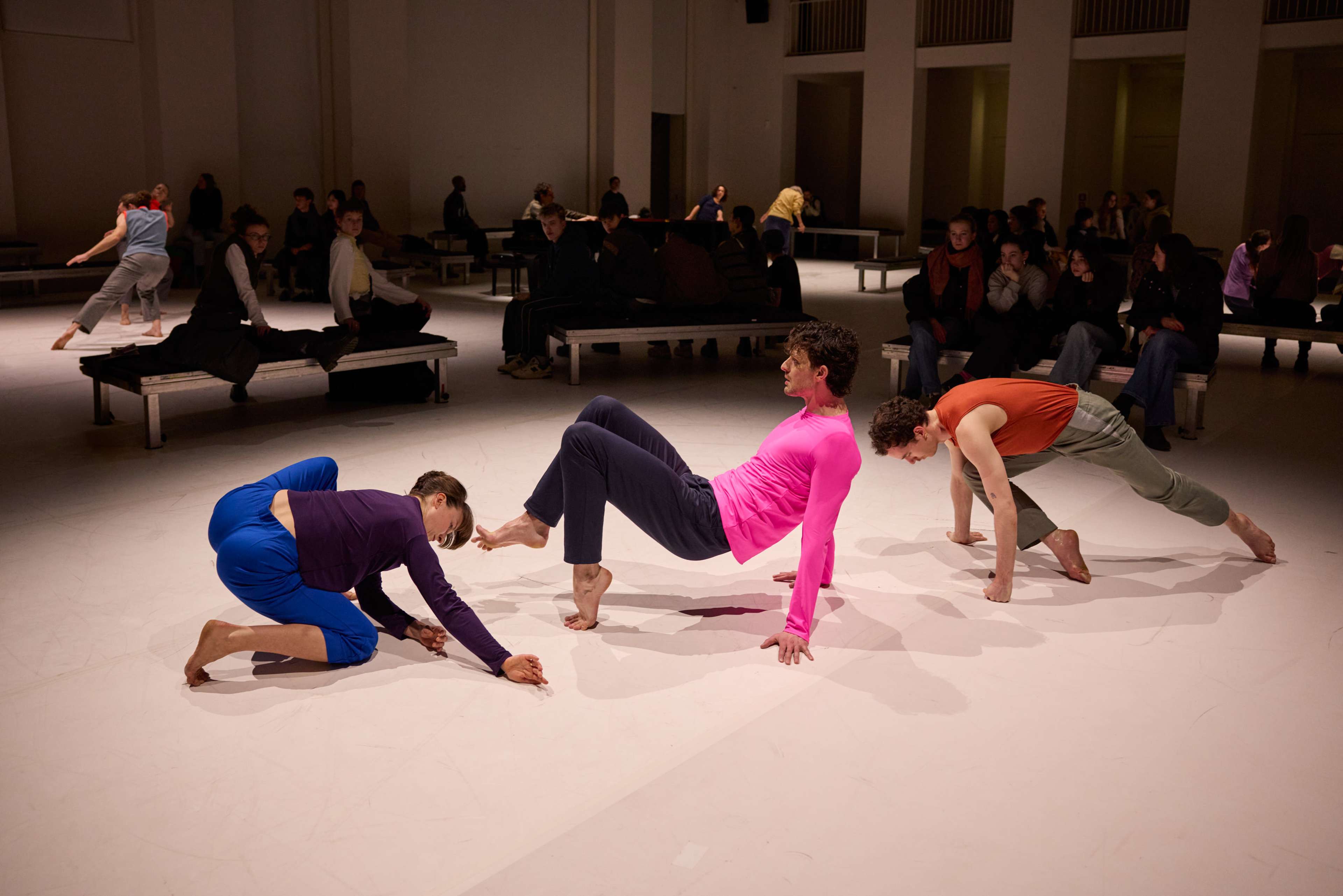
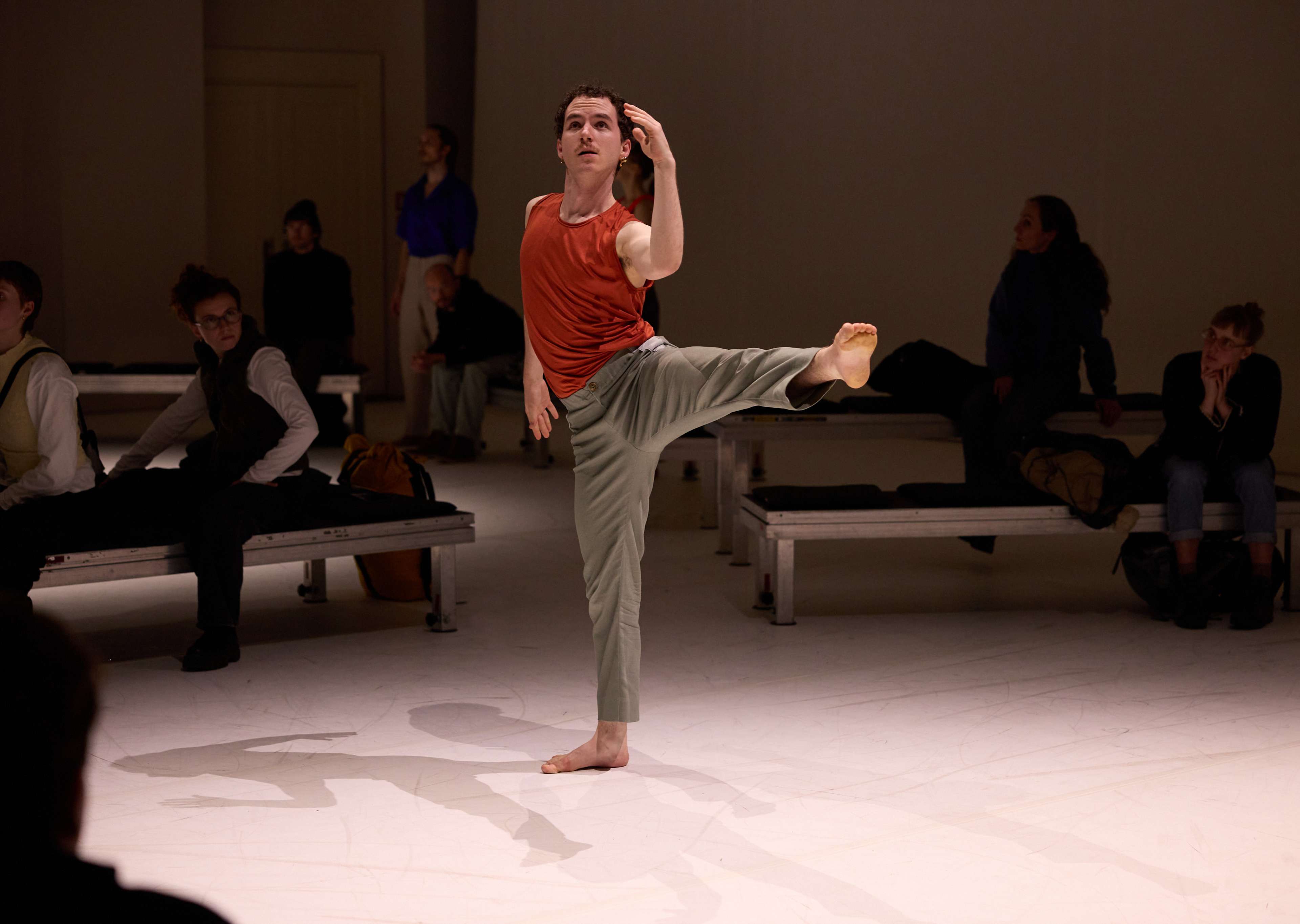
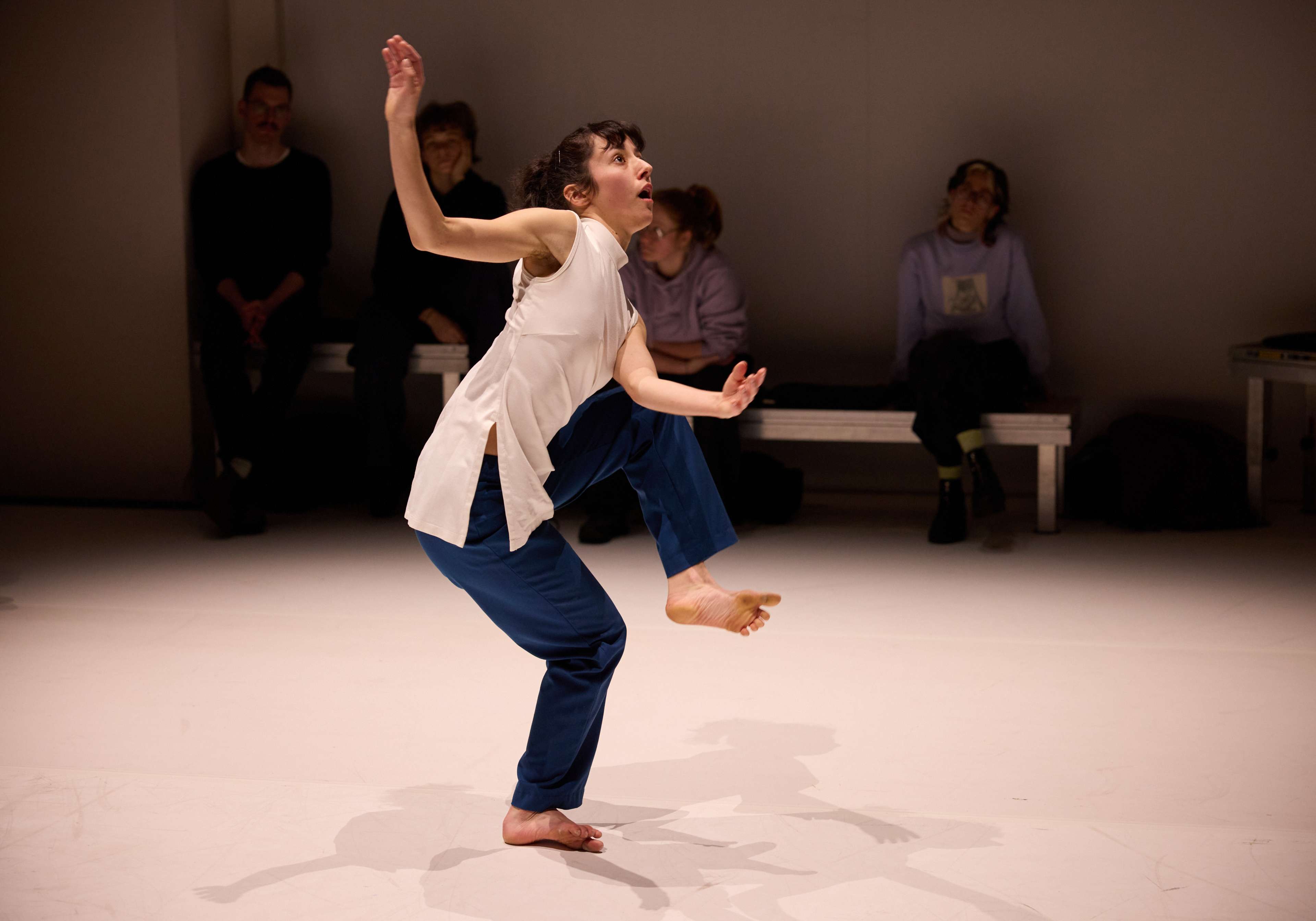
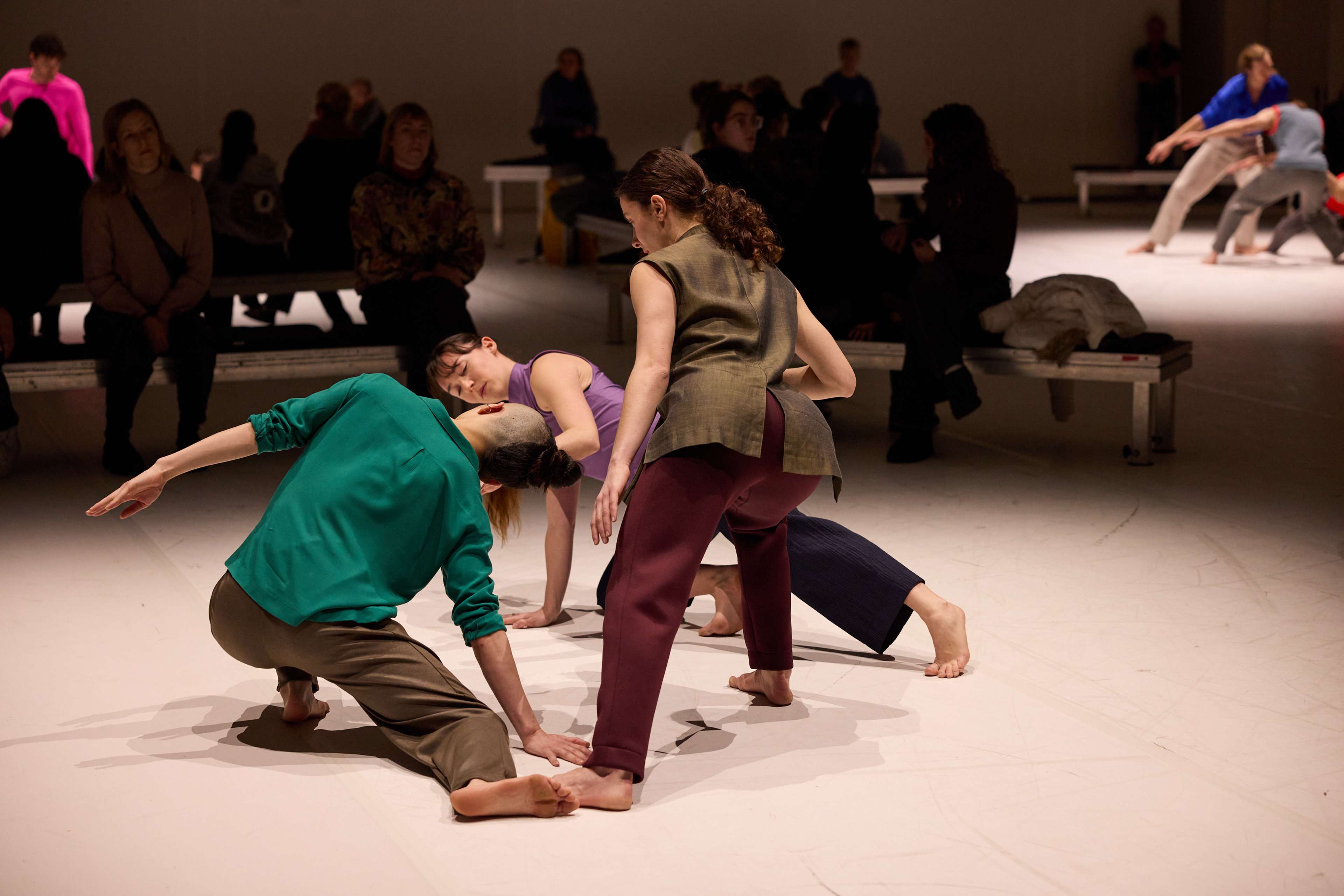
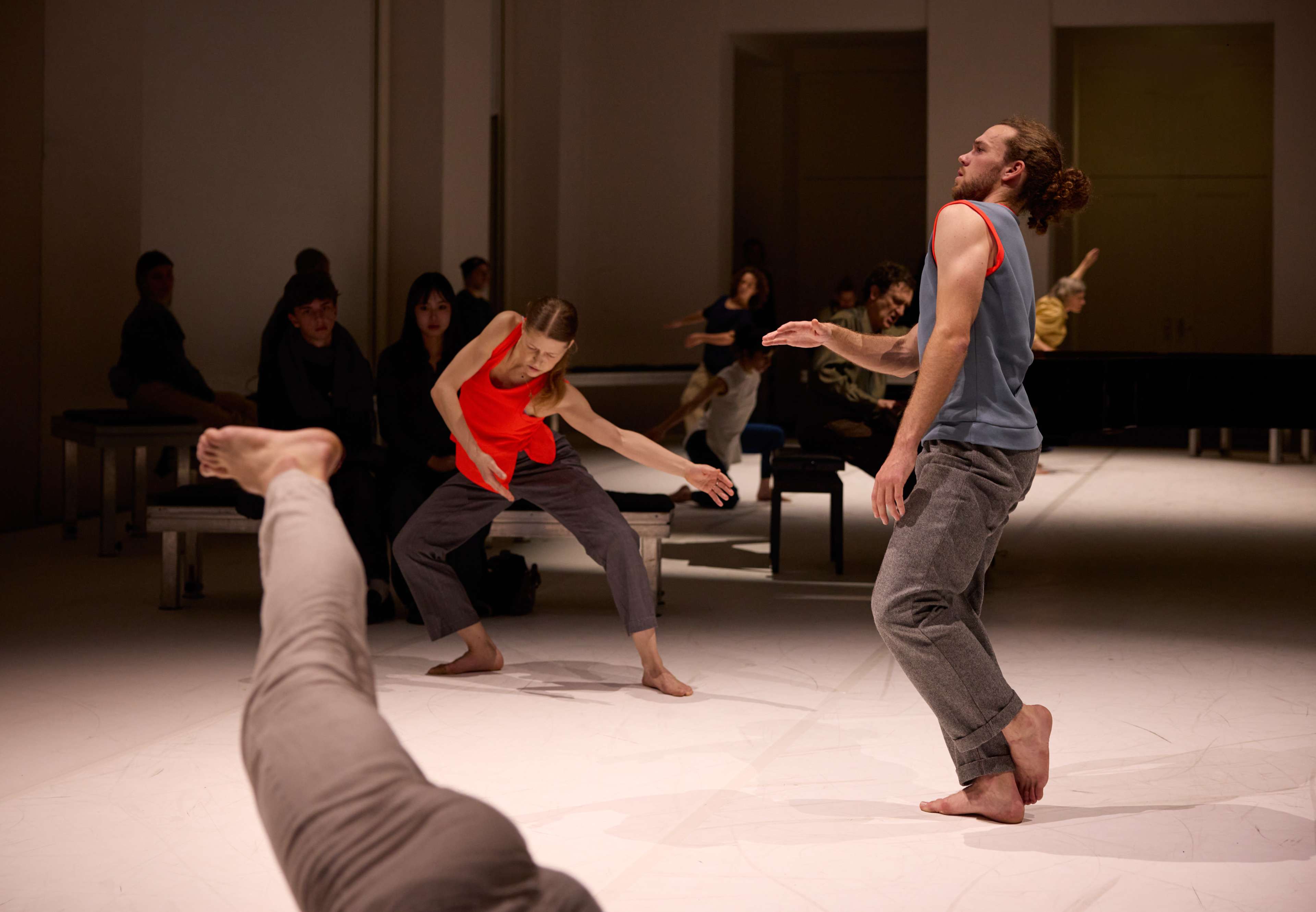
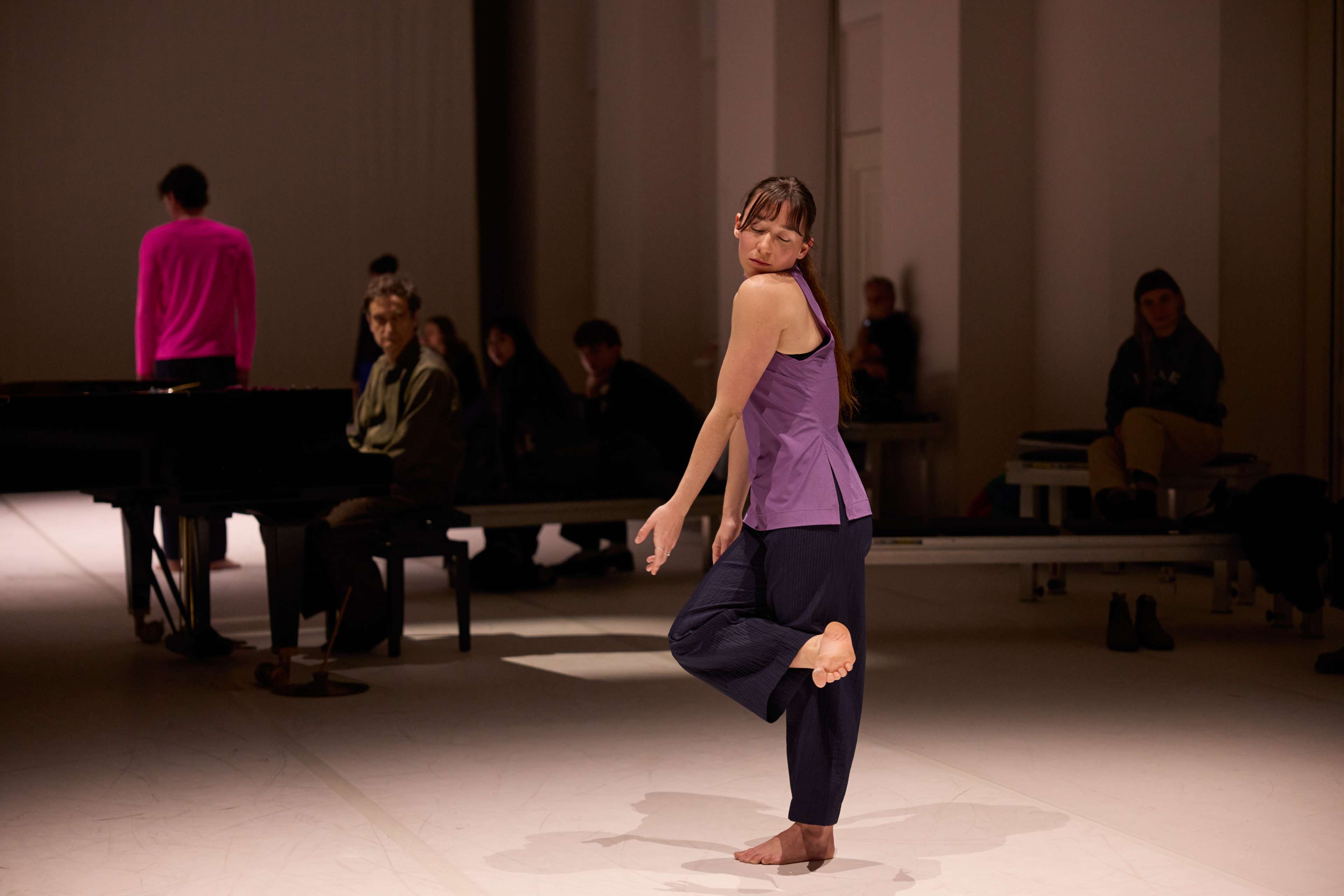
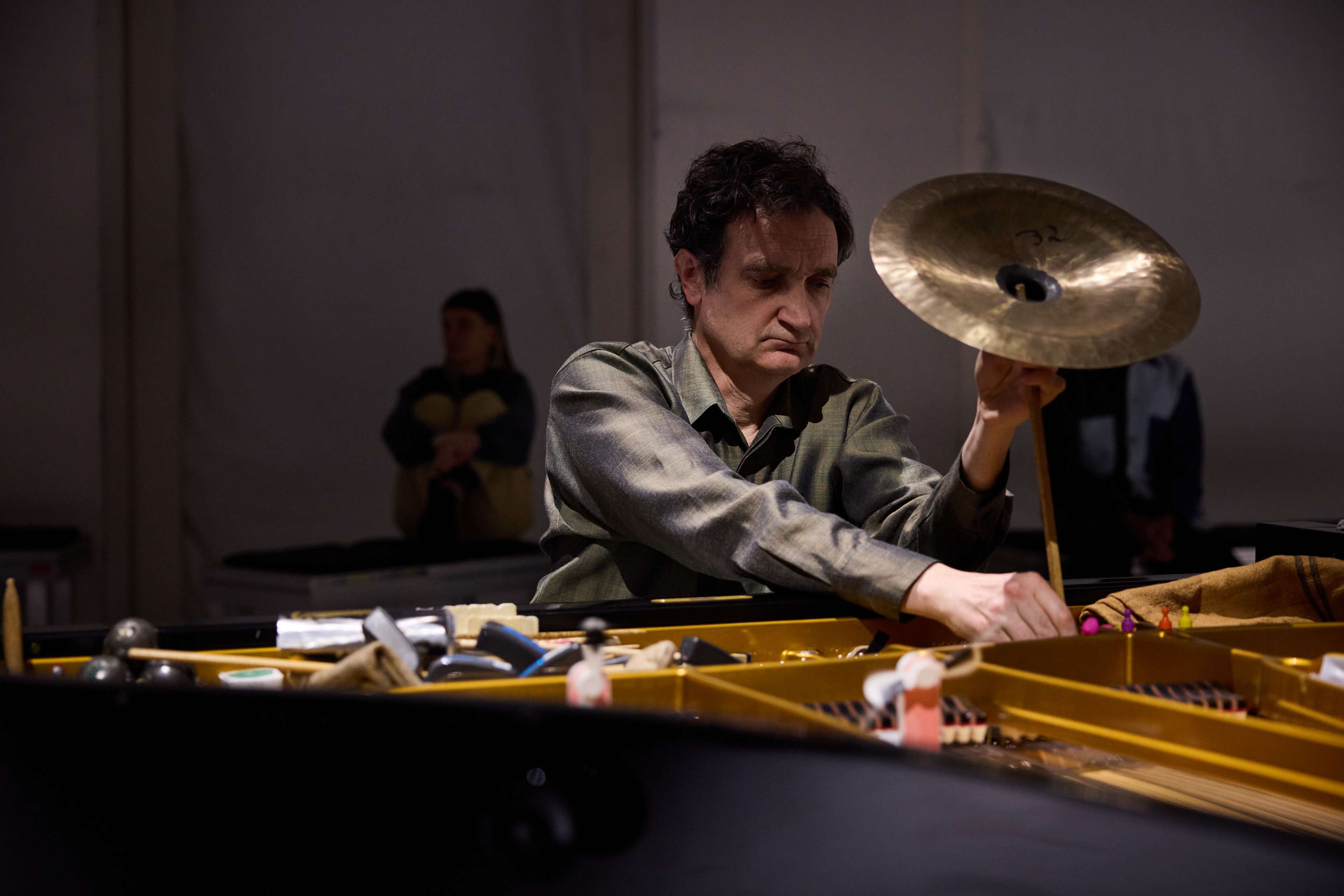
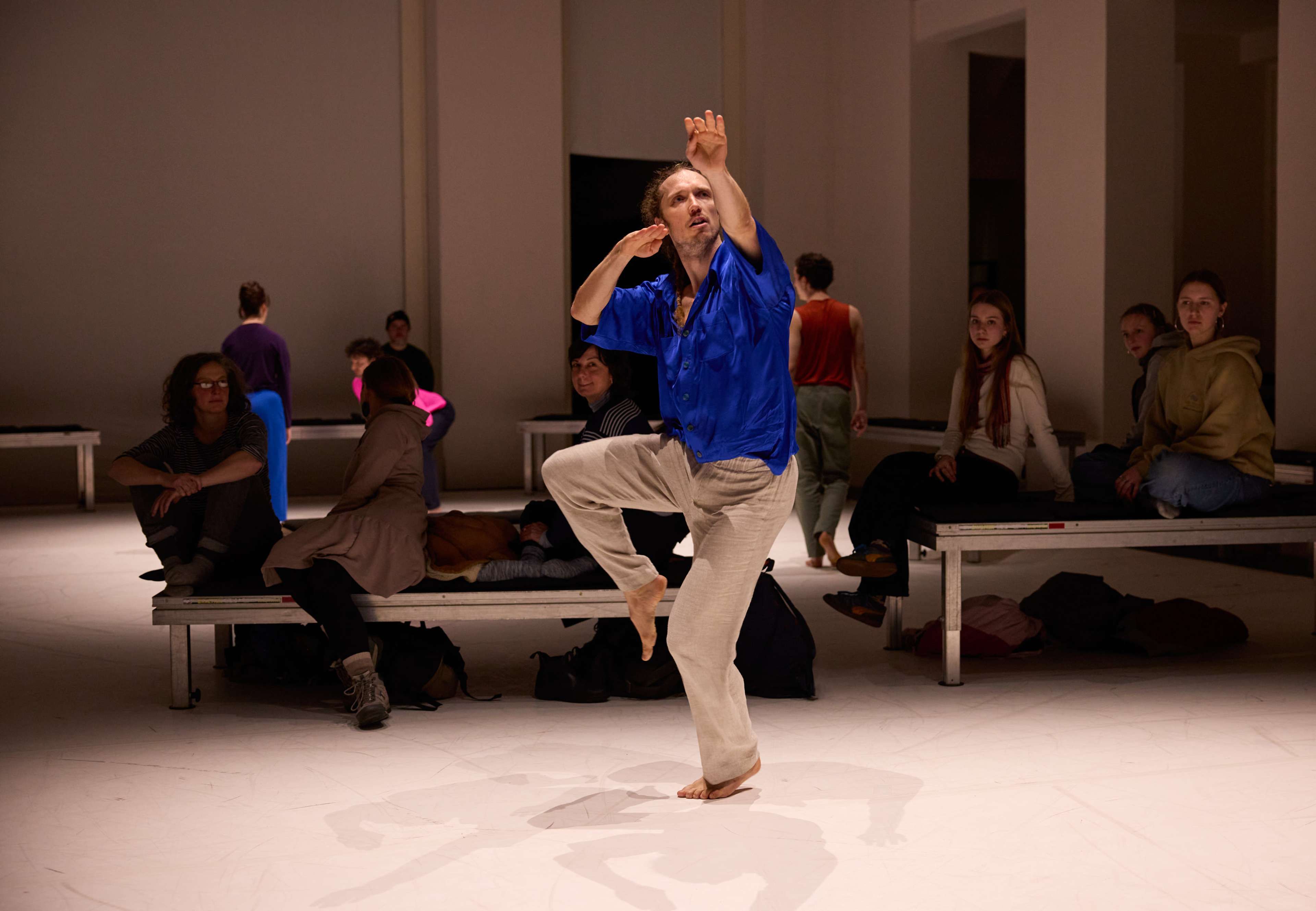
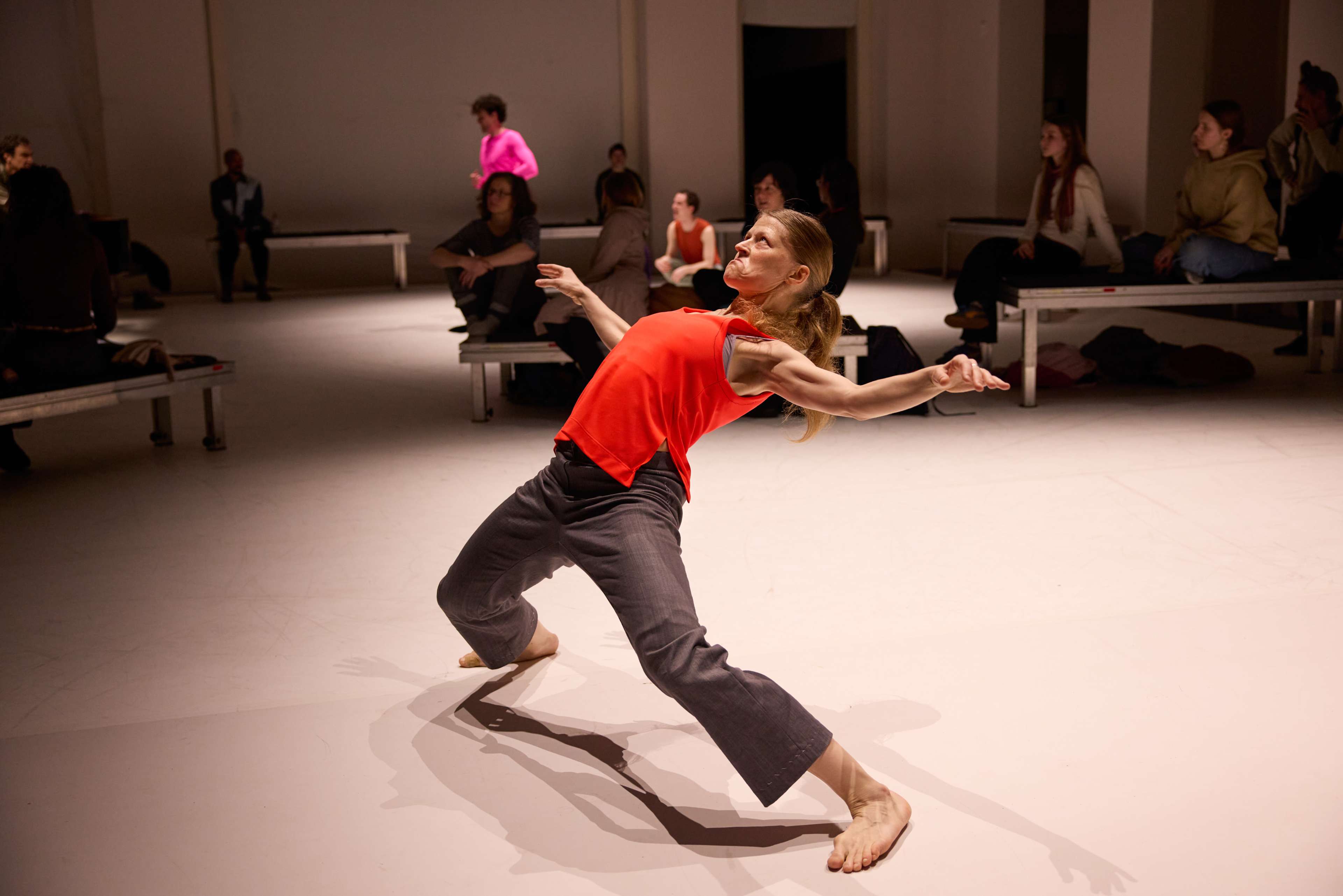
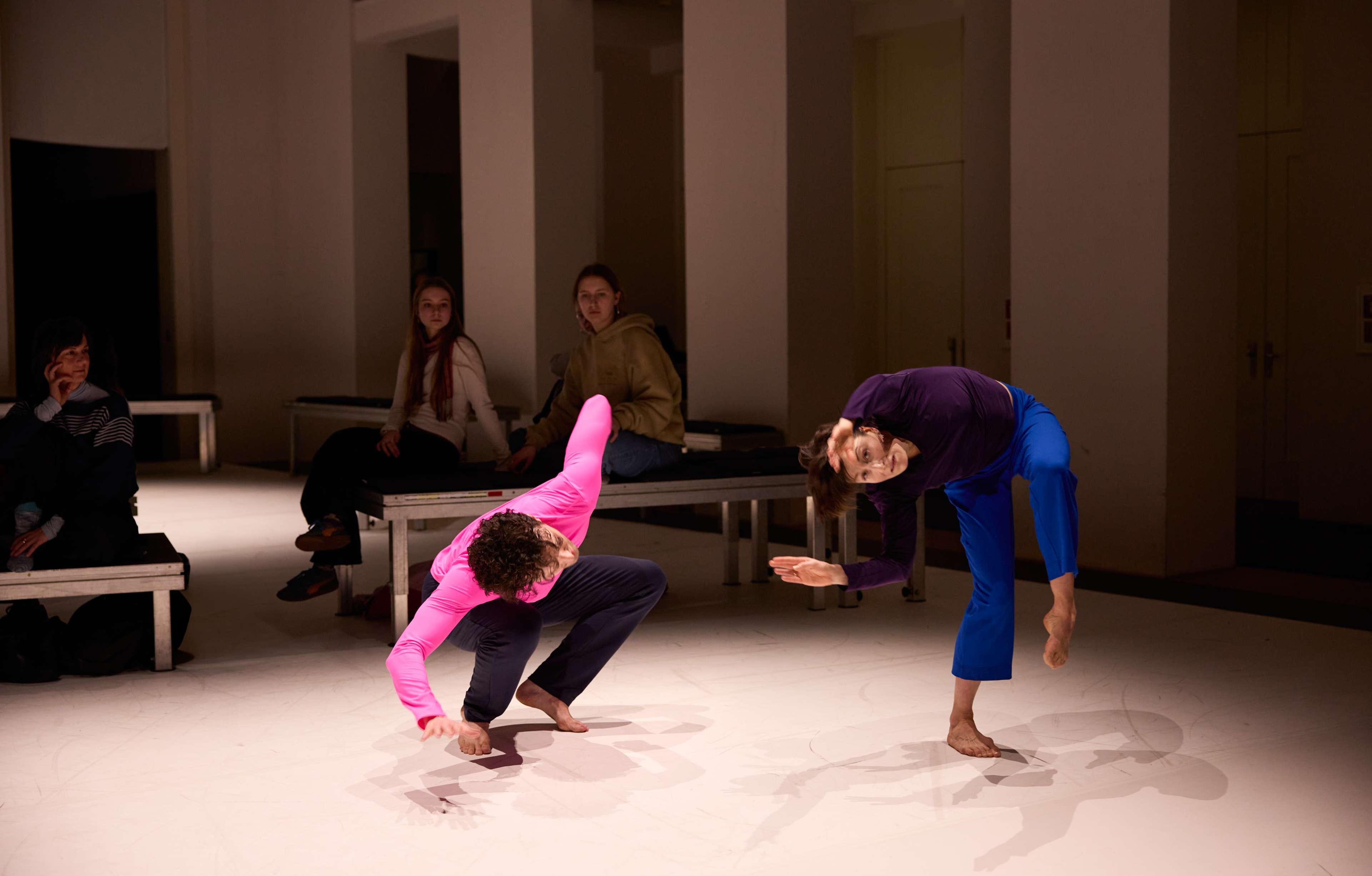
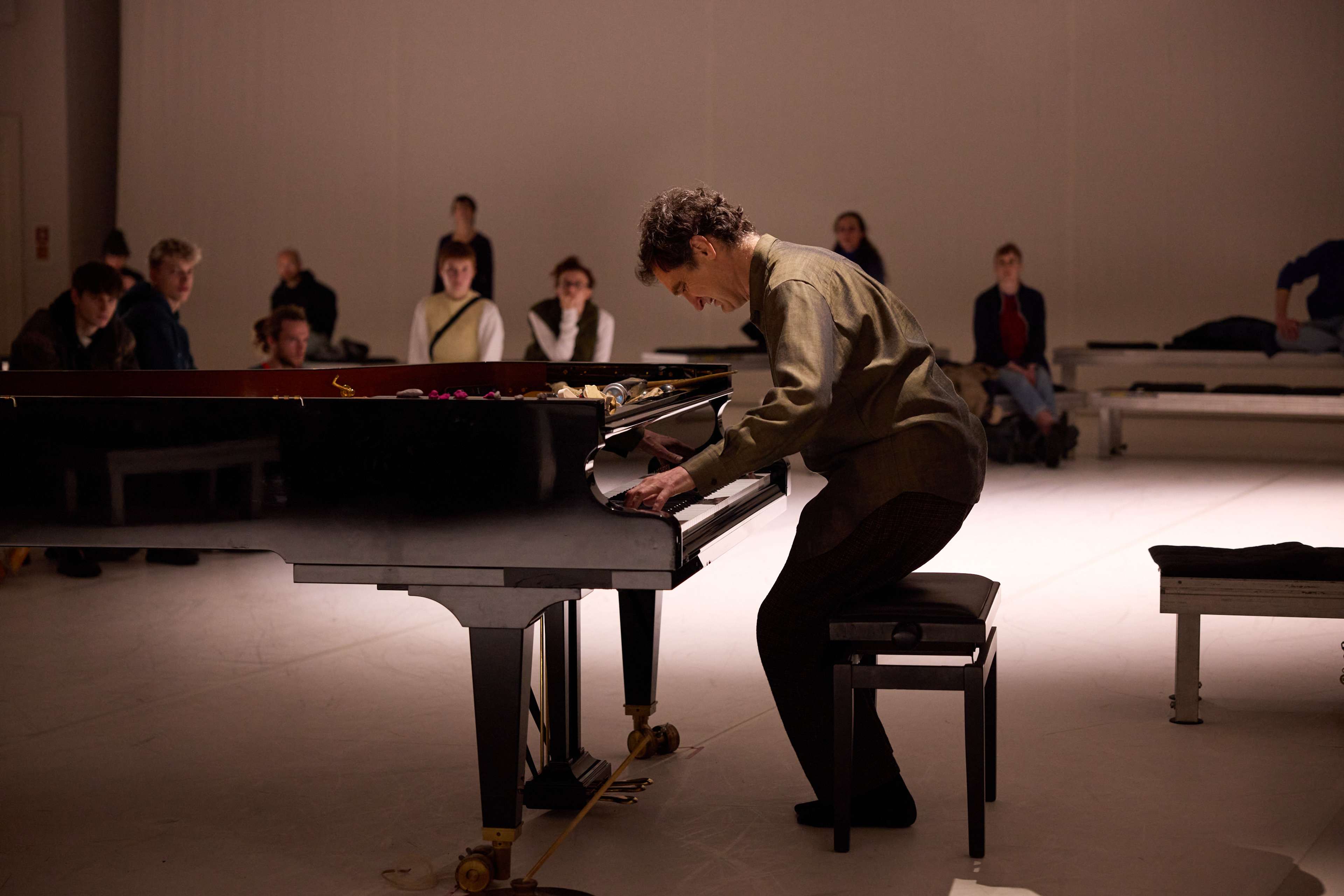
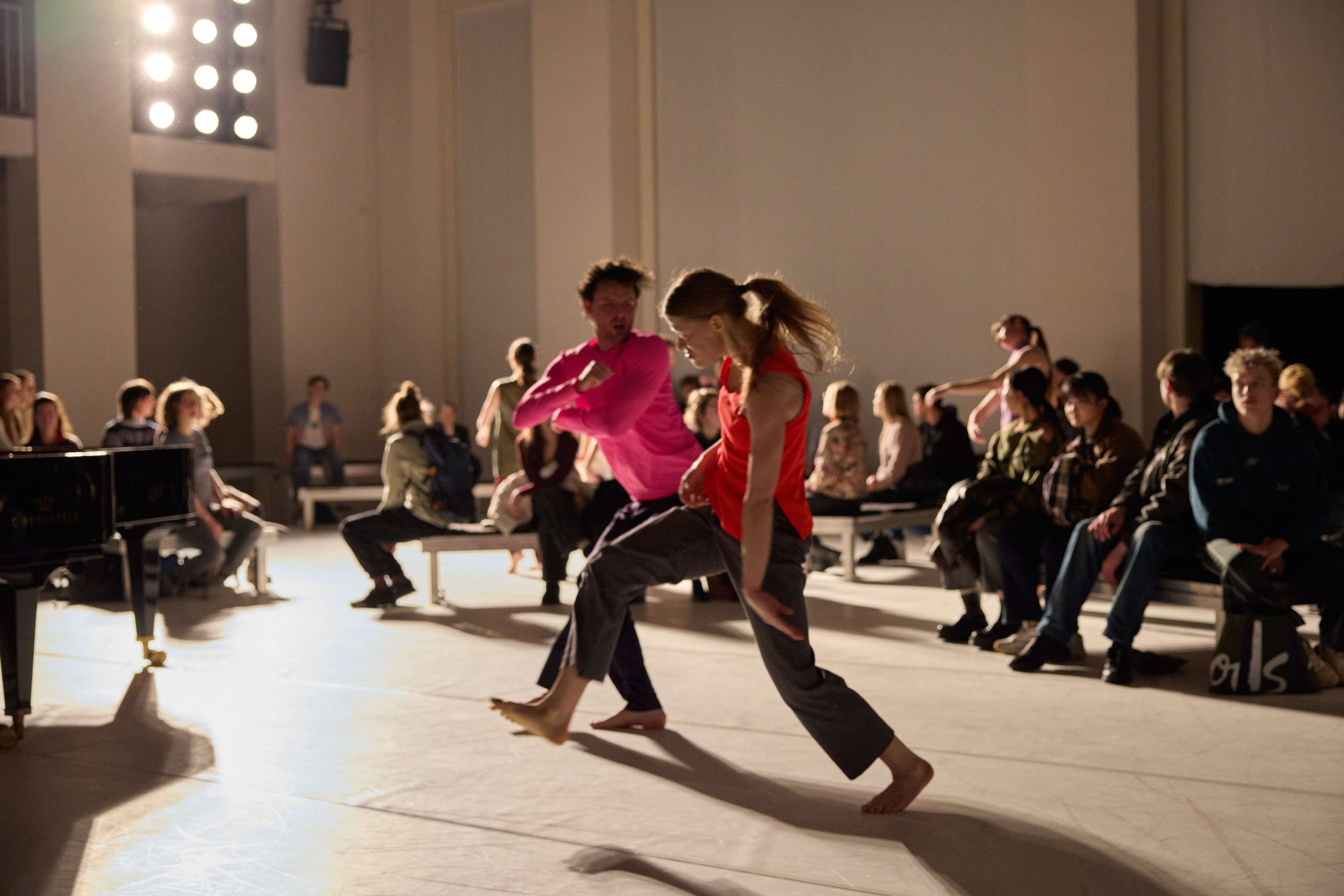
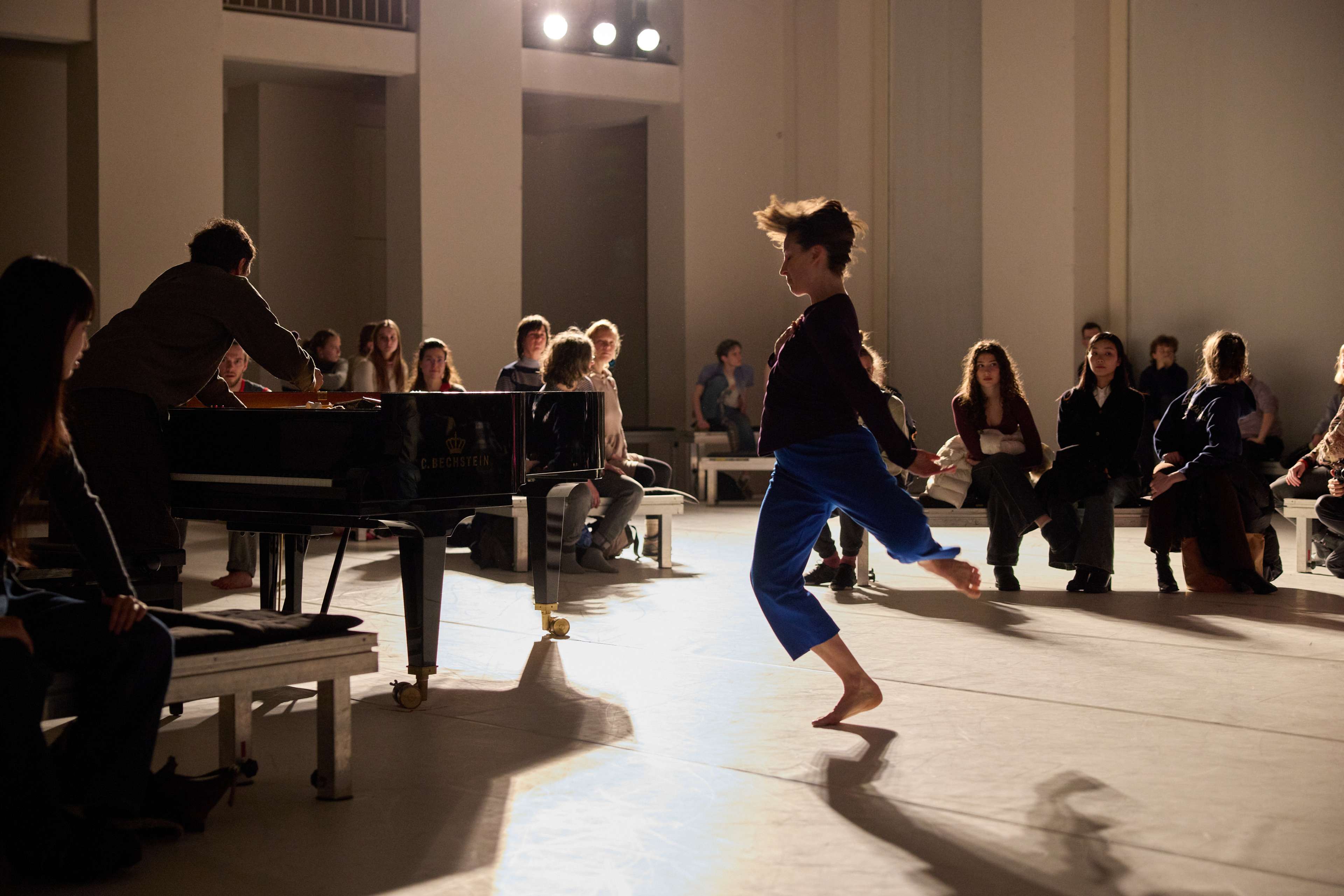
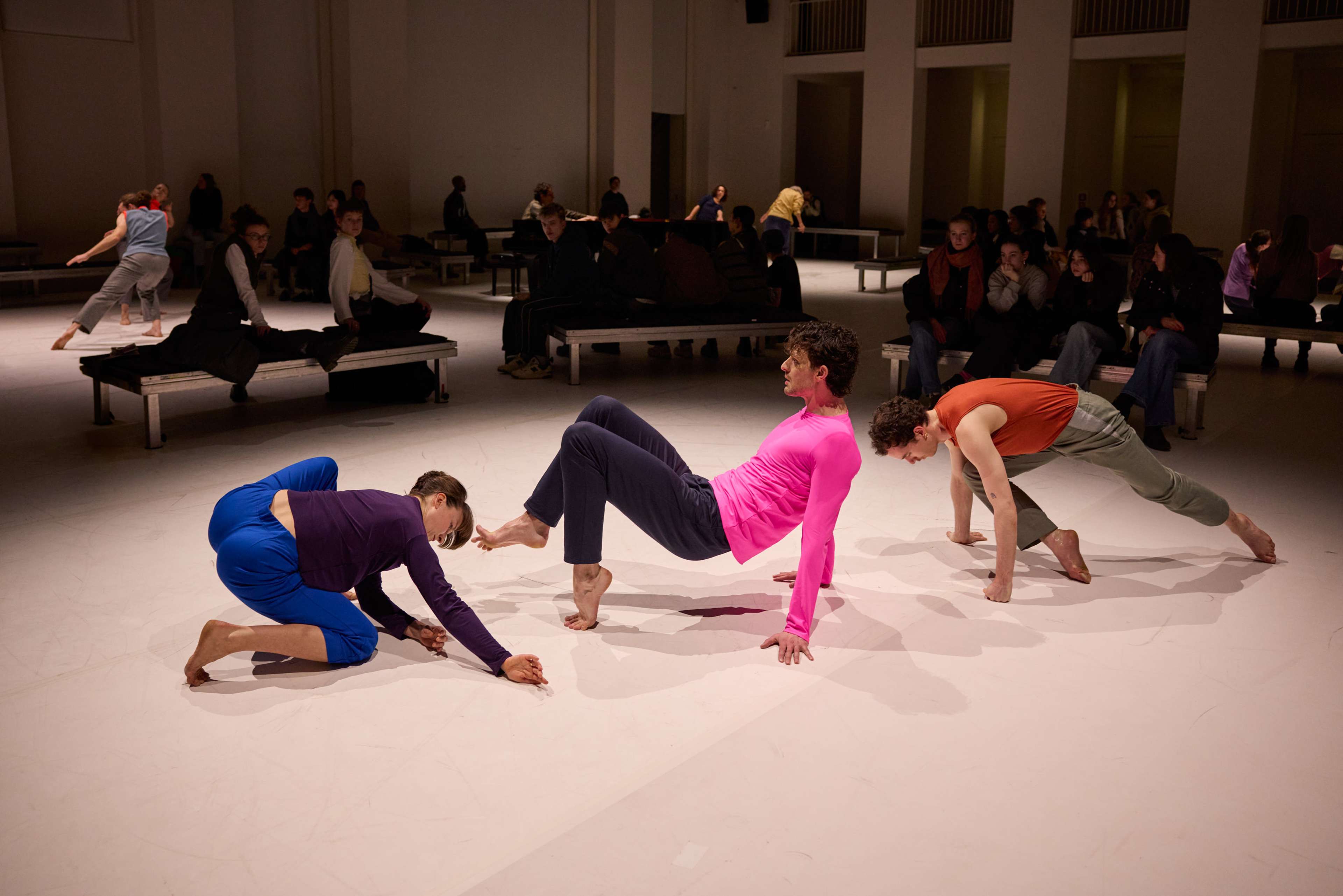
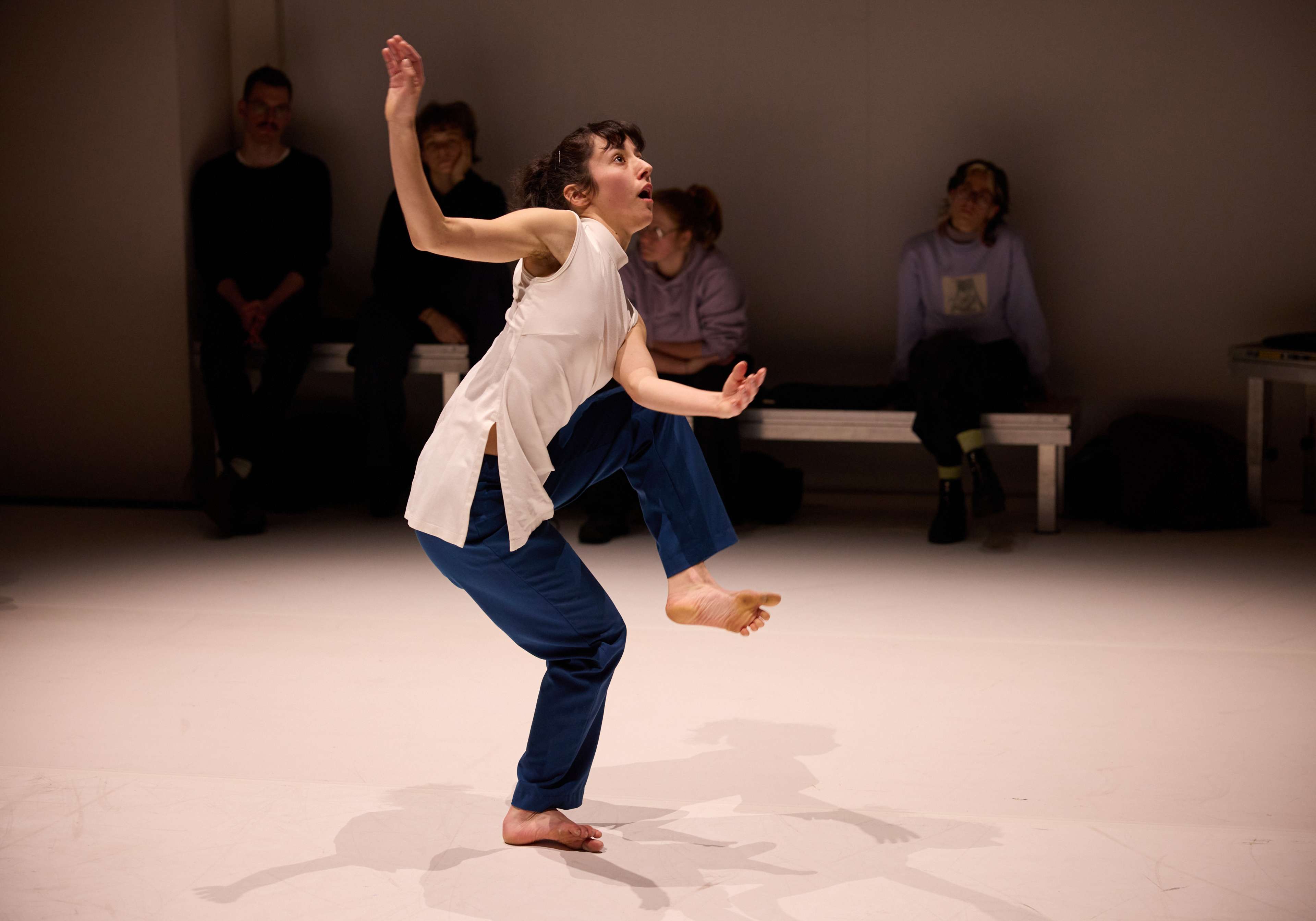
What do we see when we see dance? Dance starts long before it is seen. In Crisp’s practice of live composition, the subtle shifts in a dancer’s attention are vital to the naissance of the movements. Rosalind Crisp invites both dancers and audience to dwell, even for the briefest moment, in this space where movement surges into being. To be totally visible and completely transparent on stage is to be fully present to all that is unseen and unseeable – the subtle shifts of weight, every breath taken, each sinking feeling – the future starts here, in miniature. The performance is created each night in close proximity to the audience, offering a detailed view of the dancer’s decision-making. The work is a collaboration with Frédéric Blondy, composer and improvising pianist who employs a language rooted in deep listening, the physicality of movement and the exploration of timbre.
ROSALIND CRISP is a choreographer and dancer based in Orbost, Australia. In 1996 she established the Omeo Dance studio in Sydney as a place for her choreographic research. The studio became the home of the experimental dance scene in Sydney for ten years. In 2003 Crisp was invited by Carolyn Carlson to become the first Associate Artist of her ‘Atelier de Paris’. The Atelier managed and toured Rosalind’s company’s works throughout France and Europe (2004-2014), and facilitated her collaboration with French, European and Australian artists.
Rosalind has created over 25 major works, numerous events and performances, internationally toured her work to hundreds of festivals and is sought after for her dance methodology. Her extensive body of work critically questions dance through a rigorous practice of live composition, in all its certainty and doubt. She situates the dancer as an art maker. Her works emerge from sustained studio practice and long-term exchange with a multi-disciplinary team of colleagues. Rosalind Crisp is a Chevalier de l’Ordre des Arts et des Lettres and, in recognition of her influence on a generation of Australian dancers, an Honorary Fellow to the University of Melbourne-VCA. She received in 2025 the Creative Australia Award in the dance category.
FRÉDÉRIC BLONDY is a Pianist, organist, composer and improviser.In his work, he is engaged in an organic and exploratory approach to sound. He has been exploring contemporary classical music, experimental music, improvised music, avant-garde jazz, free jazz, electronic and electroacoustic music and has developed long-term artistic work within groups such as Hubbub and Ethos.
As an artist, Frédéric Blondy has been performing for more than twenty-five years in numerous festivals and concert halls across Europe, North America, the Middle East, and Asia. As a composer, he has written around twenty pieces ranging from solo works to orchestral music and has released more than twenty-five recordings with different labels. He takes part in numerous interdisciplinary projects combining dance, video, and performance, and also creates music and sound design for films and video works. Driven by a desire to explore new musical forms within an orchestral framework, he founded in 2011 the Orchestra of New Musical Creation, Experimentation and Improvisation (Onceim), of which he is currently the artistic director and conductor.
ROSALIND CRISP is a choreographer and dancer based in Orbost, Australia. In 1996 she established the Omeo Dance studio in Sydney as a place for her choreographic research. The studio became the home of the experimental dance scene in Sydney for ten years. In 2003 Crisp was invited by Carolyn Carlson to become the first Associate Artist of her ‘Atelier de Paris’. The Atelier managed and toured Rosalind’s company’s works throughout France and Europe (2004-2014), and facilitated her collaboration with French, European and Australian artists.
Rosalind has created over 25 major works, numerous events and performances, internationally toured her work to hundreds of festivals and is sought after for her dance methodology. Her extensive body of work critically questions dance through a rigorous practice of live composition, in all its certainty and doubt. She situates the dancer as an art maker. Her works emerge from sustained studio practice and long-term exchange with a multi-disciplinary team of colleagues. Rosalind Crisp is a Chevalier de l’Ordre des Arts et des Lettres and, in recognition of her influence on a generation of Australian dancers, an Honorary Fellow to the University of Melbourne-VCA. She received in 2025 the Creative Australia Award in the dance category.
FRÉDÉRIC BLONDY is a Pianist, organist, composer and improviser.In his work, he is engaged in an organic and exploratory approach to sound. He has been exploring contemporary classical music, experimental music, improvised music, avant-garde jazz, free jazz, electronic and electroacoustic music and has developed long-term artistic work within groups such as Hubbub and Ethos.
As an artist, Frédéric Blondy has been performing for more than twenty-five years in numerous festivals and concert halls across Europe, North America, the Middle East, and Asia. As a composer, he has written around twenty pieces ranging from solo works to orchestral music and has released more than twenty-five recordings with different labels. He takes part in numerous interdisciplinary projects combining dance, video, and performance, and also creates music and sound design for films and video works. Driven by a desire to explore new musical forms within an orchestral framework, he founded in 2011 the Orchestra of New Musical Creation, Experimentation and Improvisation (Onceim), of which he is currently the artistic director and conductor.
Press reviews
“Existential and yet eccentric, the way Nastia Ivanova wrestles with herself through her gestures and facial expressions” – Stefan Benz, Darmstädter Echo
“It is the pianist who ultimately delivers the most physically impressive performance, when his touch on the keys makes it seem as though he is not playing the piano, but rather that the instrument has taken possession of the musician.” – Stefan Benz, Darmstädter Echo
“Rosalind Crisp, who choreographed the second part, is considered one of Australia’s most significant and at the same time most rigorous dance artists. Here she has come up with something wild, something unique, truly very special: dancers move jerkily, frantically, spinning, choppy, misshapen; lying on the floor, they twist their joints, feet, and eyes in grimacing movements; sounds that are difficult to describe come from their mouths—is this already psychiatry or still dance theater?” – Jan Tussing, hr2 Kultur
“The way Nastia Ivanova and Ashley Alexandra Wright ultimately twist and turn, throwing themselves off balance without falling—that is, with coordinated strength— a masterful display of dance, just as one would expect from the Dresden Frankfurt Dance Company.” – Melanie Suchy, FAZ Rhein-Main
Deep Dive with Rosalind Crisp
Partners & Sponsors
„Eins vor, zwei zurück“ is a coproduction with